Industrial Whitepaper & Procurement Guide
Premium grade goods configured for high durability, structural integrity, and local climate resistance in Central African commerce centers.


The Democratic Republic of the Congo (DRC) represents one of the most dynamic yet complex emerging markets in Sub-Saharan Africa. Anchored by major urban conurbations like Kinshasa (the administrative and commercial heart), Lubumbashi (the mining capital of the south), and Goma (the eastern trade gateway), B2B demand across industrial, infrastructural, and fast-moving consumer goods sectors is growing exponentially.
However, successful wholesale sourcing for this market demands a deep understanding of local constraints. Importers and enterprise procurement managers face challenges including logistical bottlenecks, tropical weather impacts on materials, and rigorous compliance regulations monitored by the Office Congolais de Contrôle (OCC).
When procurement managers buy in bulk for the DR Congo market, several multi-dimensional variables determine supplier selection.
Products shipped to Kinshasa or Goma face high humidity, heavy seasonal rainfall, and high temperatures. Materials must be reinforced with UV-stabilizers, anti-rust coatings, or composite compounds to prevent premature degradation.
Choosing the right transport corridor dictates total landed cost. Western DRC depends heavily on ocean transit to Matadi Port or air freight to N'djili, while Eastern DRC relies on the Northern and Central corridors from Mombasa or Dar es Salaam.
Products imported to the DRC require a Certificate of Conformity (CoC) issued under the authority of the OCC. Selecting an exporter with proven experience handling global certification (such as SGS or Bureau Veritas) is critical.
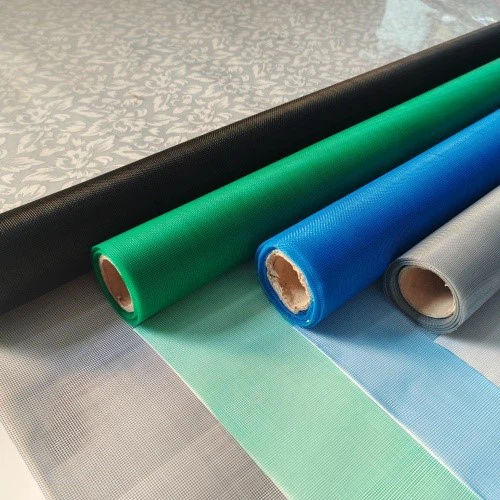
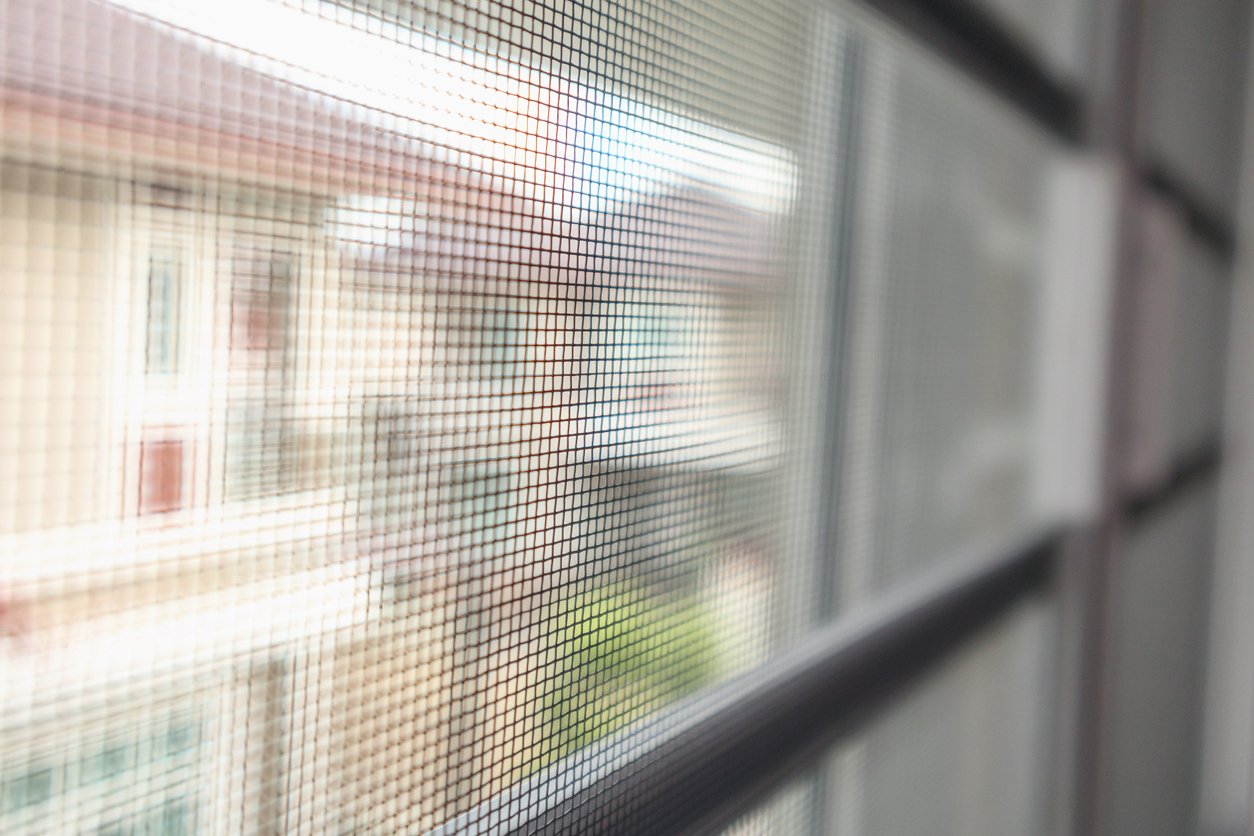
Founded in the mid-1980s, Foshan Fintrace Window Co., Ltd. has grown into an international powerhouse specializing in high-durability screening materials, fiberglass mesh, and industrial netting. Operating from Shandong—one of China's premier fiberglass manufacturing bases—Fintrace maintains a massive footprint covering more than 40,000 square meters.
By investing in state-of-the-art, fully automated computer-controlled equipment imported from globally recognized engineering firms, Fintrace delivers a daily production volume of 300,000 square meters. Our systems adopt advanced international finishing and coating techniques, ensuring every roll of mesh withstands the intense UV rays, high heat, and biological stresses common to tropical zones like Central and Western Africa.
Fintrace operates on a core philosophy: honesty, quality first, and reasonable pricing. Beyond standard manufacturing, we provide tailored OEM/ODM configurations to match exact structural specifications demanded by engineering contractors and distributors across the DR Congo.
Industrial materials intended for long-term deployment in the Congo Basin must undergo optimized material treatments to ensure acceptable lifespans.
| Material Class | Environmental Vulnerability (DRC) | Engineering Countermeasure / Technology | Lifespan Improvement |
|---|---|---|---|
| Fiberglass Mesh / Screening | High UV exposure causing fiber rot & fragility | Alkali-resistant latex coating + UV-stabilized polymer matrix | +300% durability in high sun zones |
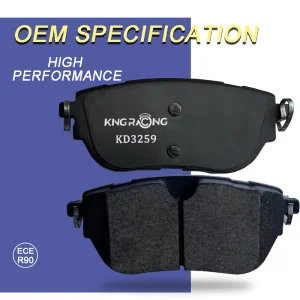
| Automotive Parts (Brake Pads) | Dust accumulation, unpaved road friction, high thermal load | Low-metallic / Semi-metallic premium formulas with copper-free alloys | Enhanced structural integrity & fade resistance |
| Outdoor Consumer Goods (SUPs) | Puncture risks from river debris, high water temperatures | Dual-layer drop-stitch PVC with heat-welded seams | Highly rigid construction, resistant to seam blowouts |
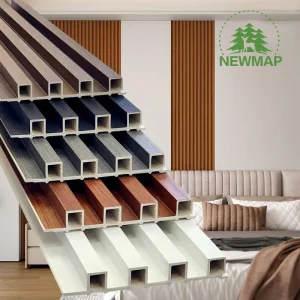
| Interior Decorative Panels (WPC) | Termites, extreme humidity leading to rot/warping | Wood-plastic composite co-extrusion with high HDPE ratio | 100% waterproof and insect proof |
For DRC B2B buyers, partnering directly with experienced Chinese factories offers unmatched advantages in scale, customization, and cost-efficiency:
Review engineering tolerances, approve raw materials, run prototype testing, and align specifications with local DRC compliance standards.
Leverage computer-controlled production for consistent material properties. Carry out tensile strength, UV-degradation, and structural integrity tests before packing.
Organize inspection visits for accredited agencies (SGS, Bureau Veritas) to secure the mandatory Certificate of Conformity (CoC) and complete container loading.
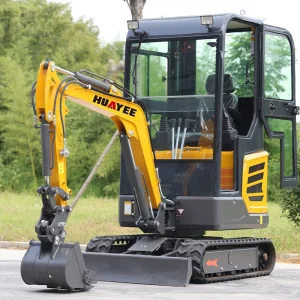
A diverse catalog of high-performing goods optimized for industrial applications, public works, transport maintenance, and commercial distribution.





Importing bulk goods into the DR Congo requires adhering to precise trade regulations. Compliance failures can cause costly delays at entry ports like Matadi, Lubumbashi, or Goma.
Every commercial shipment valued over FOB USD 2,500 must undergo pre-shipment verification. The Office Congolais de Contrôle (OCC) mandates inspections in the exporting country to verify quantity, quality, and price conformity. Our team manages testing protocols with agencies like SGS and Bureau Veritas to ensure your container arrives with a valid Certificate of Conformity (CoC).
Before cargo leaves the origin port, importers must open an Import Information Sheet (FII / FRI) through the authorized electronic single window system (SECEB) in the DRC. We provide prompt access to commercial invoices, packing lists, and export bills of lading to prevent filing delays.
Whether routing cargo through the port of Matadi or trucking it from East African transit centers (such as Dar es Salaam or Mombasa), having clear documentation prevents costly customs demurrage. We optimize packaging using high-strength pallets and waterproof wrapping to keep goods dry during overland transport through changing weather conditions.
Direct, clear answers to common questions about bulk procurement, shipping logistics, and quality assurance for the DR Congo import market.
For ocean freight, shipping to the western port of Matadi generally takes 35 to 50 days from major Chinese ports like Shanghai or Shenzhen. For eastern destinations (Goma/Bukavu), cargo routed through Mombasa or Dar es Salaam ports and trucked inland takes approximately 45 to 60 days. Air freight options to N'djili Airport in Kinshasa reduce transit times to 5–9 days.
We apply an alkali-resistant latex coating to our fiberglass mesh and add custom UV-stabilizers to our polymer compounds. This protects the mesh from structural weakness and fading caused by the intense heat and humidity of Central Africa, extending product life in the region.
Standard payment structures usually require a 30% T/T deposit to initiate raw material procurement and production, with the remaining 70% balance due upon presentation of the Bill of Lading (B/L) and verification of the OCC Certificate of Conformity. For qualified repeat buyers, we also support verified Letters of Credit (L/C).
Yes, our dedicated export department works directly with international inspection agencies (like SGS, Bureau Veritas, and Intertek) to coordinate inspections and issue the required OCC Certificates of Conformity. We supply the commercial invoices, packing lists, and export declarations required to facilitate clearing at your destination port.
Get in touch with our export technical team today for custom quotes, technical drawings, and material compliance support.
Send Inquiry Now Fintrace Window