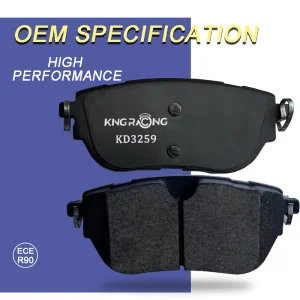
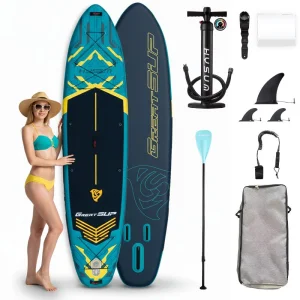
High-demand commercial categories customized to meet West African climatic resiliency and urban distribution specifications.



Togo, situated strategically on the Gulf of Guinea, has positioned itself as the preeminent transit corridor and logistics gateway for landlocked sub-Saharan nations including Burkina Faso, Mali, and Niger. Supported by the deepwater Autonomous Port of Lomé (PAL), the nation serves as a core commercial pivot. Understanding wholesale factors in this market requires a detailed comprehension of both domestic consumer demand and transit-trade regulatory dynamics.
The modernization of Togo’s infrastructure, underlined by the Adétikopé Industrial Platform (PIA), has catalyzed local manufacturing capabilities and stimulated trade. For global suppliers, this implies that cargo routed through Lomé often requires regional compliance configurations that align with the West African Economic and Monetary Union (WAEMU) standards. Navigating these regional distribution logistics demands structured supply contracts, optimized bulk packaging, and deep insight into West African trade corridors.
A comparative overview of variables dictating supplier choice and manufacturing alignment in the Lomé economic zone.
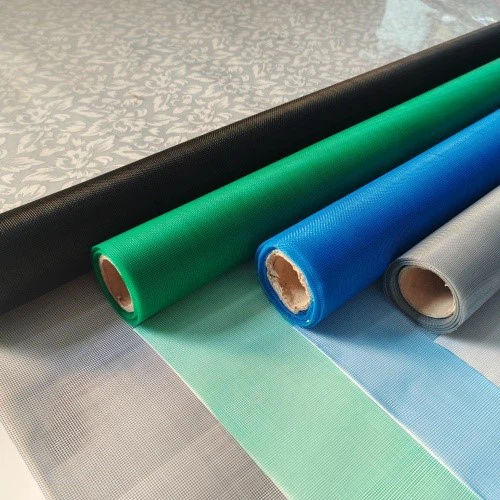
1. Climatic Resiliency and Material Specification: Togo has a tropical climate characterized by high average temperatures and alternating wet and dry seasons. Along the coastal strip where Lomé sits, high atmospheric salinity accelerates corrosion. Bulk buyers must prioritize suppliers who incorporate anti-corrosive treatments, UV stabilizers, and humidity-resistant compounding in materials like fiberglass, structural steel, and plastics. For instance, standard insect screening or building mesh will degrade within months unless formulated with high-tensile fiberglass cores and UV-blocked PVC coatings.
2. Tariff and Compliance Structuring: Navigating customs clearance requires compliance with WAEMU Common External Tariffs (TEC) and the Togolese Cotecna inspection regime. Suppliers must be capable of providing comprehensive documentation including the Cargo Tracking Note (Bordereau de Suivi des Cargaisons - BSC), detailed packing lists, Certificates of Origin, and compliance certificates verified by Cotecna or SGS. Incomplete compliance records result in costly demurrage fees at the Port of Lomé, which quickly offsets the cost advantages of low-cost factory sourcing.
3. Minimum Order Quantity (MOQ) and Mixed-Consolidation Flexibility: While large distributors in Togo serve multiple countries, medium-sized enterprises frequently face cash flow and warehousing constraints. Consequently, manufacturers that offer flexible LCL (Less than Container Load) options or mixed-product container consolidation provide a significant competitive advantage. Sourcing from factories that allow diverse SKU mixes within a single 40ft High Cube container reduces holding costs and optimizes working capital.
4. Payment Terms & Trade Finance: Foreign exchange volatility and liquidity constraints are notable operational factors in West African trade. While the CFA Franc (XOF) is pegged directly to the Euro, providing a measure of exchange rate stability, accessing foreign currency for international wire transfers can be subject to central bank delays. Factories offering structured credit lines, Letter of Credit (L/C) acceptance, or Document Against Payment (D/P) terms are highly sought after by tier-one Togolese importers.
"Successful wholesale positioning in Togo depends heavily on supply chain transparency and the supplier’s ability to customize product packaging for high-humidity transit corridors."

Founded in the mid-1980s, Foshan Fintrace Window Co., Ltd. has developed into a leading professional manufacturer specializing in window screening materials. Located within one of China's major fiberglass product manufacturing bases in Shandong, our state-of-the-art facility covers an area of more than 40,000 square meters. The company is dedicated to the large-scale manufacturing of stealth window screens, fiberglass mesh cloth, and chemical fiber wire netting.
To ensure high product quality and stable production capacity, Fintrace is equipped with multiple sets of precision, fully automated computer-controlled equipment imported from abroad. By adopting internationally advanced finishing and processing technologies, Fintrace has achieved a daily production capacity of up to 300,000 square meters. Our technical capabilities and modern manufacturing facilities maintain our leading position in the global window screen mesh industry.
Togo Market Alignment: Our fiberglass mesh products are designed to withstand high levels of UV radiation and salty air, making them ideal for the tropical, coastal conditions of West Africa. Fintrace products support public health and building durability throughout Togo by providing protective insect screening and structural reinforcement mesh.
Evaluating the evolution of automated procurement pipelines and shipping optimization for Togo and WAEMU corridors.
As the West African market moves toward greater economic integration through the African Continental Free Trade Area (AfCFTA), the operational requirements for bulk procurement are becoming increasingly standardized. Sourcing strategies are transitioning from basic price negotiation to sophisticated lifecycle cost management and technical collaboration.
For Togolese enterprises, this transition involves integrating digital supply chain portals, using IoT-based real-time tracking from port of origin to Lomé, and implementing predictive inventory replenishment models. Modern factories are responding by establishing direct API data integration links, allowing importers to monitor production queues and quality inspection data in real time.
Moreover, modern material science is driving the adoption of eco-certified raw materials. The transition to recyclable fiberglass configurations and halogen-free fire-retardant window screens is helping West African developers meet global green building certifications (such as LEED or EDGE) for major commercial developments in Lomé and neighboring regional business hubs.
A diverse selection of industrial materials, automotive components, consumer products, and raw commodities suitable for the West African market.
Importing bulk cargo through the Port of Lomé requires navigating a series of regulatory steps. Understanding the roles of the Togolese Customs Administration (Douanes Togolaises) and the Sydonia World system is essential to ensuring smooth clearing processes.
All commercial shipments require a Pre-Shipment Inspection (PSI) verification certificate, managed by Cotecna, to confirm quantity, quality, and tariff classification. Failure to obtain a clean inspection certificate before shipment departure can result in customs delays and valuation disputes.
Additionally, the Bordereau de Suivi des Cargaisons (BSC) is mandatory for all maritime cargo heading to Togo. Sourcing from experienced factories that can prepare clean, accurate shipping documentation helps ensure compliance and supports efficient port-to-destination transshipment.
Answers to critical questions regarding bulk purchasing, shipping, and quality assurance for the Togo and broader West African markets.
The typical maritime shipping transit time from Chinese ports (such as Qingdao, Shanghai, or Shenzhen) to the Port of Lomé is approximately 30 to 45 days. This depends on whether the cargo is shipped via direct service or requires transshipment at hubs like Singapore or Tangier.
Togo utilizes a Verification of Conformity (VoC) program managed by authorized agencies like Cotecna. Importers must open a file in Togo, and the supplier must present the cargo for inspection and testing in the exporting country to secure the Certificate of Conformity required for customs clearance.
Yes, Foshan Fintrace provides custom mesh manufacturing. We can configure specific weights (g/m²), aperture sizes, roll lengths, and colors (gray, black, white, blue) to match customer requirements. This includes anti-insect specifications and structural reinforcing needs for West African building systems.
We accept several standard payment terms, including Irrevocable Letters of Credit (L/C) at sight and Telegraphic Transfers (T/T). For established Togolese distributors, we can explore structured financing options in cooperation with regional trade finance institutions.
Connect with our technical engineering division and trade logistics desk to optimize your import pipeline for the Togolese and West African markets.
Send Inquiry Now Fintrace Window