The global market for window screens has evolved from simple insect barriers to sophisticated architectural components that influence energy efficiency, security, and air quality. As urbanization accelerates across Southeast Asia, the Middle East, and North America, the demand for high-durability window screens has skyrocketed. Modern building codes now prioritize materials that can withstand extreme environmental stressors, leading to a shift in how suppliers and exporters approach product lifecycles.
In the industrial sector, window screens are no longer just for residential homes. They are critical in food processing plants, pharmaceutical facilities, and high-tech manufacturing hubs where ventilation and pest control must meet stringent hygiene standards. The global supply chain, heavily anchored by Chinese manufacturing expertise, now focuses on the intersection of material science and longevity.
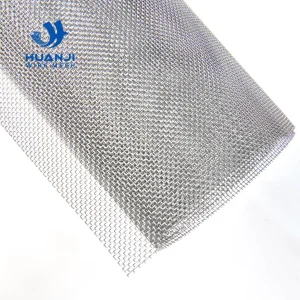
When selecting window screens for commercial projects, the primary metric is the Service Life. Unlike consumer-grade mesh, industrial window screening must resist corrosion from chemical cleaning agents and harsh UV exposure. Our Stainless Steel Woven Wire Mesh offers the pinnacle of durability, ensuring that once installed, the maintenance costs are virtually zero for decades.
The use of AI-driven quality control in window screen production ensures that every millimeter of fiberglass mesh cloth is free from defects, maximizing the service life in high-stress environments.
Global procurement trends show a 40% increase in demand for screens using water-based PVC coatings, which reduce VOC emissions while enhancing UV stability.
New "Stealth" window screens use ultra-fine yet high-tensile fibers to provide unobstructed views without compromising on the 10-15 year lifespan expected by modern developers.
For global exporters, the shift is towards total lifecycle management. We are no longer just selling a mesh; we are providing a solution that incorporates thermal insulation properties. In the Middle East, for instance, window screens must withstand 50°C temperatures daily. Our fiberglass mesh is treated with specialized thermal stabilizers that prevent the mesh from becoming brittle, a common failure point in cheaper alternatives.
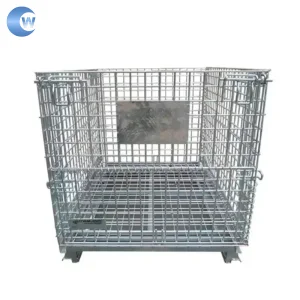
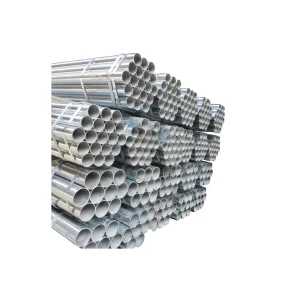
In industrial storage and high-security zones, the "window screen" concept expands into heavy-duty barriers. Our High-Strength Steel Wire Mesh is designed for the most demanding applications where structural integrity is as important as visibility. This product line exemplifies the "Durability" pillar of our brand, utilizing galvanized and powder-coated finishes to prevent oxidation in saline or humid climates.
China remains the global powerhouse for window screen production, but the advantage has shifted from "low cost" to "technological leadership." As a leading factory in the Shandong fiberglass base, we leverage local raw material access and cutting-edge automation to deliver superior value.
1. Scale and Efficiency: With a daily production capacity of 300,000 square meters, we can fulfill massive global tenders within weeks, not months. This scale allows for rigorous R&D investment into UV-resistant polymers and high-tensile weaving techniques.
2. Customization (OEM/ODM): Global B2B buyers often require specific localized applications—such as "sand-proof" mesh for North African markets or "pollen-filtering" mesh for European residential areas. Our engineering team can adjust mesh density and coating thickness to meet these niche demands.
3. Quality Assurance: By using fully automated computer-controlled equipment, we eliminate human error. Every roll of mesh exported is tested for tensile strength, aperture consistency, and fire-retardant properties.
Foshan Fintrace Window Co., Ltd. was founded in the mid-1980s and has grown into a professional manufacturer specializing in window screening materials. The company is located in one of China’s major fiberglass product manufacturing bases in Shandong. Covering an area of more than 40,000 square meters, Fintrace has developed into a large-scale production enterprise dedicated to the manufacturing of stealth window screens, fiberglass mesh cloth, and chemical fiber wire netting.
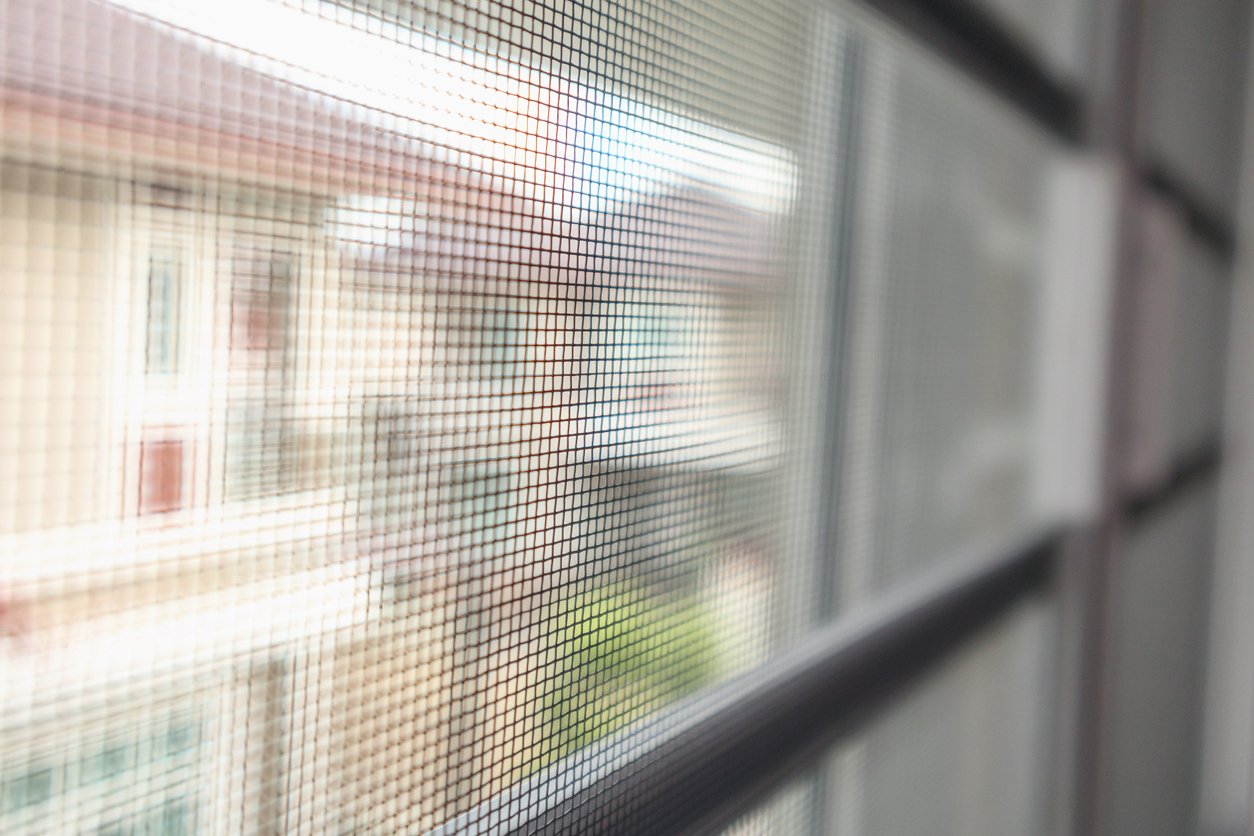
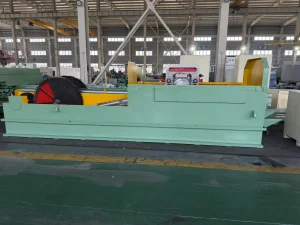
To ensure high product quality and stable production capacity, the company is equipped with multiple sets of precision, fully automated computer-controlled equipment imported from abroad. By adopting internationally advanced finishing and processing technologies, Fintrace has achieved a daily production capacity of up to 300,000 square meters. With strong technical capabilities and modern manufacturing facilities, the company maintains a leading position in the window screen mesh industry.
Fintrace Window Co., Ltd. always adheres to the business philosophy of honesty, quality first, and reasonable pricing. Its products are widely sold in both domestic and international markets and have gained recognition from customers worldwide. In addition to standard products, the company also offers customized processing services based on specific customer requirements. Fintrace sincerely welcomes partners and friends from all industries to visit, communicate, and explore long-term cooperation opportunities.
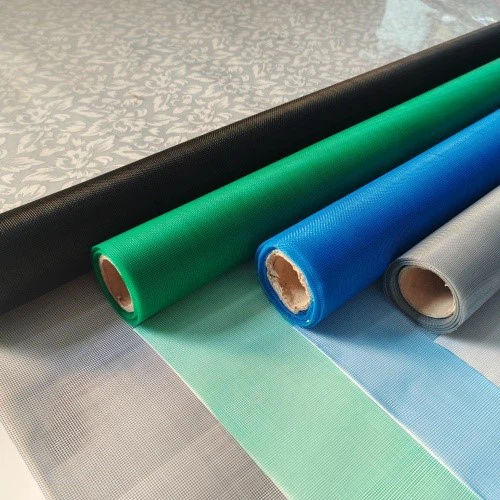
Durability is a relative term—it depends on where the product is installed. As experienced exporters, we analyze the geographical application scenarios to recommend the right window screen material:
In places like Florida, Australia, or the UAE, salt spray corrodes metal mesh rapidly. We recommend PVC-coated fiberglass screens or Grade 316 Stainless Steel, which offer maximum corrosion resistance and a service life exceeding 15 years.
Wind load is the primary concern here. Stealth window screens with high-tensile strength ensure the mesh doesn't pop out of the frame during storms, while maintaining the "invisible" aesthetic required by modern architects.
In large-scale farming, window screens must block specific pests (like thrips) while allowing maximum airflow. Our precision-woven Chemical Fiber Wire Netting is optimized for these industrial biological controls.
What determines the Service Life of a window screen? It comes down to three critical factors:
 Fintrace Window