Premium solutions for diverse industrial, agricultural, construction, and mechanical requirements.
As rapid global urbanization and industrial expansion continuously blur the lines between high-density manufacturing areas and residential sectors, environmental noise has emerged as one of the most critical challenges in architectural planning. The World Health Organization (WHO) has recognized environmental noise as a major public health hazard, contributing to high stress levels, cognitive fatigue, and sleep disruption. Consequently, traditional passive acoustic strategies are no longer sufficient to address these multi-layered acoustic challenges.
The contemporary industry is transitioning towards integrated noise reduction screens. These engineered screen structures and acoustic mesh installations serve a dual purpose: they allow natural ventilation and light penetration while functioning as structural barriers to acoustic energy. By utilizing highly engineered fiberglass composites, polymer-coated screens, and chemical fiber netting, modern facilities can isolate noise at the point of transmission. Foshan Fintrace Window Co., Ltd., capitalizing on over four decades of deep manufacturing experience in fiberglass mesh materials, stands at the absolute forefront of this technological transformation, providing high-efficiency solutions to modern commercial, industrial, and infrastructure requirements worldwide.
Acoustic efficiency is primarily measured through the Sound Transmission Loss (STL) curve and Sound Transmission Class (STC) ratings. In porous materials like sound-mitigating mesh, the physical reduction of noise relies heavily on air flow resistance, porosity, and thickness. The sound wave hits the elastic fibers, generating friction that converts acoustic energy into microscopic thermal energy.
Across North America, Europe, and Asia-Pacific, the enforcement of stringent environmental regulations has driven major updates to noise mitigation strategies. Industrial facilities, energy substations, cooling towers, and highway bypass networks are legally mandated to limit decibel output at property boundaries. Developers must incorporate acoustic attenuation directly into building envelopes, window frame systems, and perimeter barriers.
Historically, acoustic management relied on solid concrete walls or heavy steel barriers. However, these systems restrict airflow, create dark zones, and demand costly foundation reinforcement. Highly porous noise-dampening screen membranes, manufactured using specialized fiberglass and chemical fiber netting, have emerged as the industry-standard alternative. These mesh systems preserve natural ventilation and light transmittancy while achieving significant high-frequency noise attenuation.
Global demand is expanding rapidly in areas like coastal wind farms, urban data center HVAC intakes, and high-performance residential fenestration systems. Procurement departments are seeking suppliers that can provide consistent technical validation (verified STC and Rw ratings), scalable production, and custom dimensional configurations that resist aggressive outdoor environments.
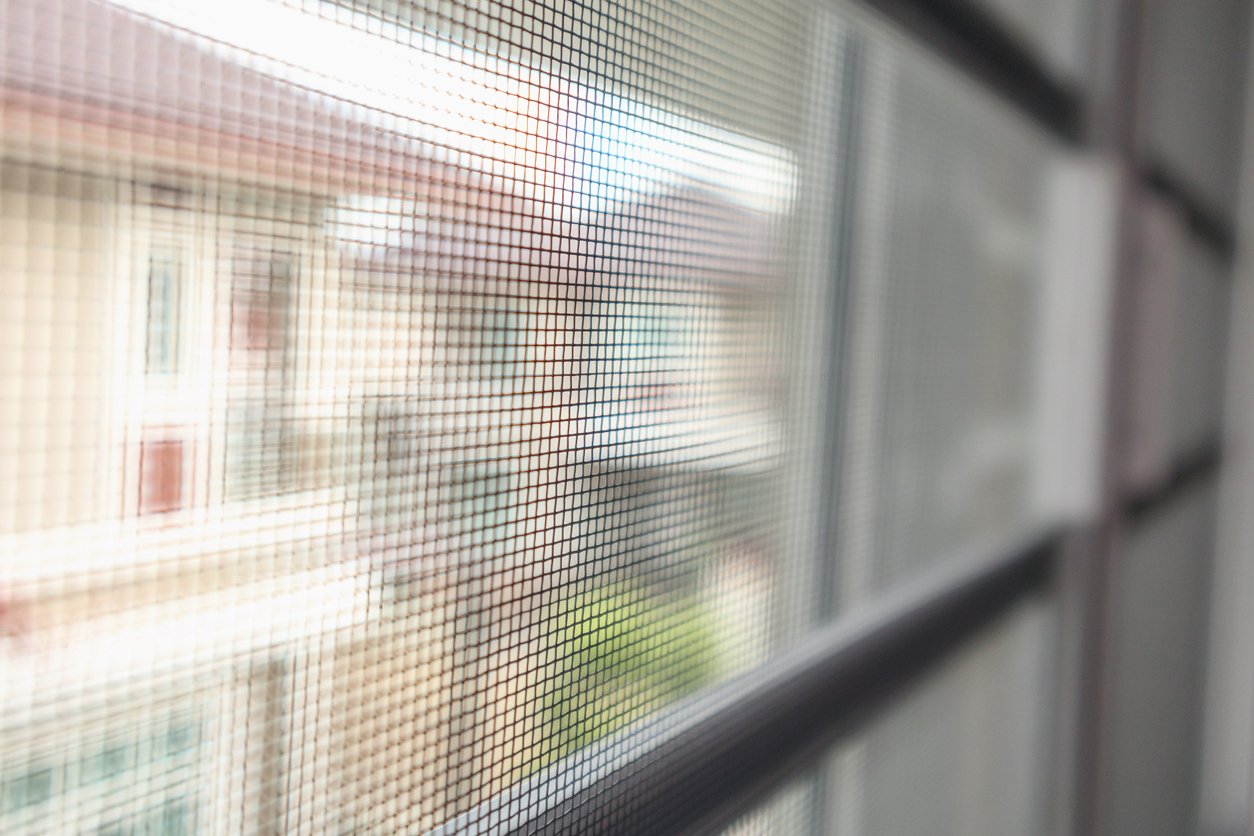
Sourcing acoustic noise reduction screens from China provides B2B buyers with access to highly optimized supply chains, advanced material sciences, and unprecedented economies of scale. However, the difference between standard mesh and true sound-dampening mesh lies in manufacturing precision.
Foshan Fintrace Window Co., Ltd. was founded in the mid-1980s and has grown into a professional manufacturer specializing in window screening materials. The company is located in one of China’s major fiberglass product manufacturing bases in Shandong. Covering an area of more than 40,000 square meters, Fintrace has developed into a large-scale production enterprise dedicated to the manufacturing of stealth window screens, fiberglass mesh cloth, and chemical fiber wire netting.
To ensure high product quality and stable production capacity, the company is equipped with multiple sets of precision, fully automated computer-controlled equipment imported from abroad. By adopting internationally advanced finishing and processing technologies, Fintrace has achieved a daily production capacity of up to 300,000 square meters. With strong technical capabilities and modern manufacturing facilities, the company maintains a leading position in the window screen mesh industry.
Fintrace Window Co., Ltd. always adheres to the business philosophy of honesty, quality first, and reasonable pricing. Its products are widely sold in both domestic and international markets and have gained recognition from customers worldwide. In addition to standard products, the company also offers customized processing services based on specific customer requirements. Fintrace sincerely welcomes partners and friends from all industries to visit, communicate, and explore long-term cooperation opportunities.
Our engineering portfolio utilizes advanced fiber science to deliver long-term structural durability and high sound-mitigation efficiency.
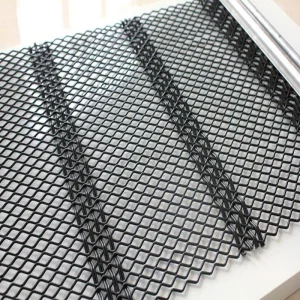
Precision-engineered weaving patterns optimize airflow resistance, disrupting incoming acoustic sound waves and absorbing vibrational energy.
Engineered for harsh industrial environments, offering high UV resistance, flame retardancy, and protection against chemical corrosion.
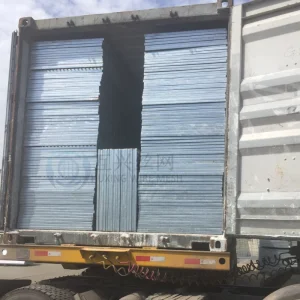
With a daily output of 300,000 square meters, our automated weaving looms ensure fast, reliable delivery for large-scale projects.
To successfully integrate acoustic screens into real-world projects, engineers must consider the specific environmental requirements of each installation site. Below are the key applications where Fintrace's noise reduction screens provide optimal results:
In modern urban apartments near busy traffic corridors, highways, or railway networks, high-density noise reduction window screens are integrated directly into window frame profiles. These screens allow residents to keep windows open for fresh, natural ventilation while attenuating high-frequency noise from traffic, sirens, and pedestrian areas. This hybrid functionality provides both insect protection and a quieter indoor living environment.
Commercial structures use heavy cooling towers and outdoor HVAC condenser blocks that generate low- and mid-frequency humming noises. Surrounding these installations with solid acoustic panels blocks the essential airflow needed for thermal management, which can lead to equipment failure. Installing our micro-aperture fiberglass mesh screens on the surrounding frames permits unrestricted airflow while dispersing directional sound energy, reducing noise levels for neighboring properties.
Inside factories, workshops, and processing complexes, workers are exposed to loud machinery. Fitting high-tension chemical fiber noise screens around compressor cages and production lines helps contain airborne sound waves. The non-flammable, chemical-resistant PVC coating on Fintrace mesh ensures long service life, even in environments with airborne oils, humidity, and heat.
Infrastructure construction in high-density urban areas is subject to strict noise control laws. Temporary scaffolding structures are wrapped with heavy-duty acoustic containment mesh to mitigate dust, debris, and noise. Our high-tensile fiberglass mesh retains its shape under high physical loads and wind forces, making it an ideal choice for temporary site enclosures.
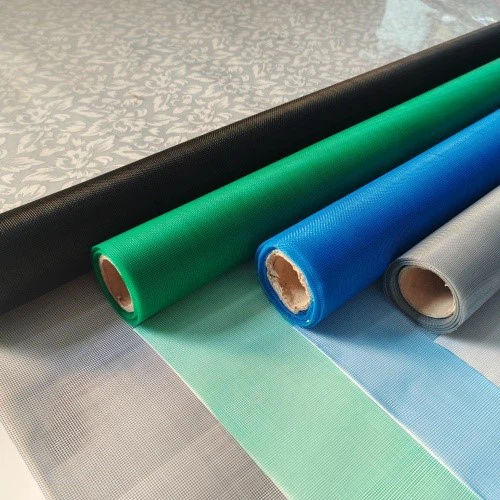
Industrial agricultural operations often generate high decibel levels from massive ventilation systems. By installing acoustic-grade chemical fiber netting on the exhaust and intake ports of livestock buildings or processing barns, operators can control noise pollution while maintaining high-volume air exchange. Additionally, the fine mesh sizing blocks pests, aligning with biosecurity protocols.
The acoustic screening industry is evolving rapidly, driven by advanced material sciences and smart building regulations. Key trends shaping the future of this sector include:
1. Nanotech-Enhanced Acoustic Coatings: Researchers are developing nanostructured polymer coatings that actively scatter sound waves at the micro-mesh level. These coatings allow thinner mesh profiles to achieve the same performance as thicker, heavier materials, improving both light and air transmission.
2. Circular Economy and Bio-Based Materials: As ESG mandates gain traction globally, demand is rising for eco-friendly acoustic materials. Manufacturers are shifting toward bio-based polymers and recycled fiberglass composites that deliver high durability with a lower carbon footprint.
3. Multi-Functional Smart Screens: Future acoustic screens are being designed to do more than block sound. New systems integrate air filtration (PM2.5 trapping), hydrophobic properties (self-cleaning during rainfall), and acoustic dampening into a single, high-performance mesh structure.
When sourcing bulk acoustic screening materials from China, procurement professionals must prioritize technical compliance and manufacturing consistency. To help guide your sourcing strategy, follow this structured checklist:
Answers to common technical, commercial, and logistical questions about noise reduction mesh screens.
Standard insect screens are designed only to block pests, utilizing basic wire diameters and spacing. Acoustic screens, however, feature optimized micro-apertures, specialized high-density polymer coatings, and specific yarn thicknesses designed to absorb and scatter sound waves while maintaining airflow and light transmission.
Because mesh is porous, its standalone STC rating is lower than that of a solid wall. However, when integrated into dual-window systems or industrial enclosures, it can improve the overall system's STC rating by 5 to 15 decibels. This performance is highly dependent on frequency, with the greatest reduction occurring in high-frequency ranges.
We utilize imported, computer-controlled precision weaving looms and thermal-setting finishing ovens. Our quality control team inspects every production run for warp and weft consistency, tensile strength, and coating adhesion. This ensures every square meter meets international standards.
Yes. Our fiberglass and chemical fiber netting products are coated with high-performance PVC or acrylic compounds. This coating provides excellent resistance to salt spray, UV degradation, mold growth, and high humidity, making them ideal for coastal and tropical climates.
We offer full customization for large B2B orders, including roll widths ranging from 0.5 meters to 3.2 meters, custom lengths, mesh counts, yarn diameters, and custom colors to match your architectural requirements.
Explore our full range of high-performance materials and advanced manufacturing solutions.


 Fintrace Window