Direct-to-factory solutions across electronics, construction material, custom packaging, and industrial processing technologies.
In an era characterized by geopolitical realignments, rapid supply chain digitalization, and increasingly stringent compliance standards, bulk purchasing has evolved from a simple transactional activity into a highly strategic operation. Procurement executives are no longer merely seeking the lowest cost per unit. Instead, modern sourcing strategy prioritizes risk management, logistical reliability, technical capability, and environmental compliance.
This comprehensive industrial whitepaper provides actionable, evidence-based guidelines for enterprise procurement teams looking to establish long-term, high-yield supply chains with global factories and suppliers. By incorporating real-world manufacturing metrics and compliance frameworks, this guide equips you with the tools needed to optimize your bulk purchasing pipelines while minimizing operational hazards.
Implement comprehensive supplier audits and quality control checks to minimize production line defects and shipping anomalies.
Verify dynamic manufacturing capacity and scalability of production lines to ensure on-time delivery under fluctuating demand.
Ensure all bulk imported items adhere to target market specifications, environmental policies, and import restrictions.
An in-depth look at Foshan Fintrace Window Co., Ltd., demonstrating core tenets of scale, reliability, and precision production.
Founded in the mid-1980s, Foshan Fintrace Window Co., Ltd. has established itself as an authoritative, professional manufacturer specializing in premium window screening materials and industrial mesh applications. The company operates its major production facility in Shandong Province, which stands as one of China's most significant and technically advanced fiberglass product manufacturing clusters.
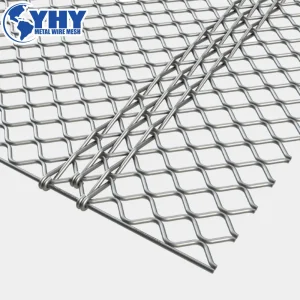
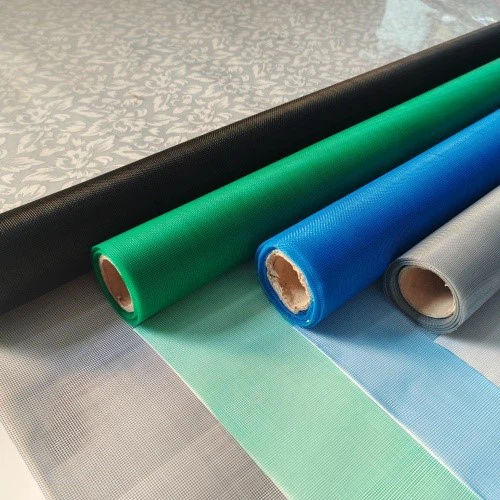
Spanning a massive facility area of over 40,000 square meters, Fintrace has evolved into a large-scale manufacturing enterprise. Their product portfolio is dedicated to high-precision engineering, including advanced stealth window screens, fiberglass mesh cloth, and chemical fiber wire netting designed for heavy-duty commercial and residential projects.
To guarantee unwavering quality standards and reliable volume output, the company is equipped with multiple sets of state-of-the-art, fully automated computer-controlled equipment imported directly from global technology leaders. By integrating internationally recognized finishing and processing technologies, Fintrace maintains a massive daily output capacity of up to 300,000 square meters of mesh material.

Fintrace Window Co., Ltd. continuously aligns its factory floor operations with its foundational business philosophy: unconditional honesty, quality-first quality systems, and structured pricing models. These pillars have allowed their extensive product lines to penetrate and gain strong footholds in competitive markets across Europe, North America, Southeast Asia, and the domestic market.
Acknowledging that B2B clients require tailored solutions, Fintrace excels at providing end-to-end OEM and ODM customization services. They manufacture custom grid densities, varying tensile strengths, and tailored roll lengths according to precise client blueprints. Sourcing professionals and global distributors are welcomed to schedule onsite audits, tour the laboratory facilities, and establish sustainable, long-term strategic partnerships.
Sqm Daily Output Capacity
Sqm Manufacturing Base
Years Industrial Experience
Quality Inspected Cargo
Sourcing at an industrial scale demands a robust, systematic evaluation framework. Below are the ten foundational pillars of modern bulk purchasing, designed to guide procurement teams through supplier onboarding, quality control, and international logistics.
Never rely on generic descriptions. Before placing a bulk order, compile a detailed Technical Requirement Sheet (TRS). This document must detail mechanical tolerances, material grades (e.g., SUS316 stainless steel, food-grade APET, or flame-retardant fiberglass), and dimensional limits. Establishing a standardized TRS ensures that the supplier's engineering team and your quality control department are aligned.
A supplier’s nominal capacity often differs from their actual active output. Investigate their machinery configuration, automated bottlenecks, work shifts, and labor force stability. Ensure they have the capacity to scale production during seasonal demand surges without compromising on lead times or quality controls.
Global shipping and raw material supply chains are prone to disruptions. Calculate a standard deviation for the factory's historical lead times and negotiate a built-in safety buffer of at least 15-20%. Ensure your contract outlines clear responsibilities and penalties for unapproved production delays.
Relying solely on a pre-shipment inspection is a common procurement error. Implement a multi-tier Quality Assurance (QA) system:
Before wire transfers are approved, verify the legal existence of the entity. Check business registrations, active export licenses, credit scores, and pending litigation records. Utilizing third-party escrow systems or structured Letter of Credit (L/C) payments provides critical financial protection for high-value orders.
FOB (Free on Board), CIF (Cost, Insurance, and Freight), or DDP (Delivered Duty Paid) must be clearly agreed upon and written into commercial invoices. Ensure that the division of risk and responsibility for customs clearances, port delays, and local logistics is explicitly assigned.
Global markets require compliance with environmental standards such as REACH, RoHS, or FSC. Verify that your manufacturing partners employ energy-efficient machinery, proper waste handling protocols, and non-toxic materials. This mitigates compliance risks and protects your brand reputation.
When sourcing customized components or proprietary designs, secure your IP. Ensure your agreements include robust Non-Disclosure, Non-Use, and Non-Circumvention (NNN) clauses governed by a court system with jurisdiction over the factory's assets. Limit the distribution of design drawings to only key engineering staff.
Technical equipment and machinery require ongoing support. Choose manufacturers that offer localized support services, field engineers, or digital diagnostic access. Having parts and technical support available in your region minimizes downtime.
Modern supply chains run on data. Partner with suppliers whose Enterprise Resource Planning (ERP) software integrates with your supply chain management systems. Real-time updates on production phases and tracking numbers improve inventory forecasting.
The manufacturing landscape is undergoing a digital transformation. Smart factories are utilizing IoT sensors, automated quality checks, and predictive analytics to optimize production. This shift allows for tighter tolerances, more consistent quality, and shorter lead times, raising the standard for global sourcing.
Geographical sourcing hubs are also diversifying. While China remains a leading hub due to its comprehensive industrial infrastructure, neighboring regions in Southeast Asia and parts of Eastern Europe are expanding their capabilities. Navigating these regional dynamics requires a clear understanding of local trade regulations, infrastructure capacities, and compliance demands.
For cross-border bulk purchases, compliance with international certifications is essential. Sourcing industrial goods or building materials requires adherence to standards such as the European Union's CE markings, UL certifications in North America, or general ISO 9001 quality management guidelines. Ensuring these standards are met before shipping prevents costly customs delays and regulatory rejections at destination ports.
Environmental, Social, and Governance (ESG) criteria are increasingly vital to modern corporate procurement. Global buyers must evaluate their supply chains for carbon footprints, ethical labor practices, and sustainable sourcing. Transitioning to eco-friendly materials, like recyclable PETG and low-emission composites, helps businesses meet these sustainability goals and align with evolving regulations.
Different industries require unique sourcing strategies. Below is a breakdown of key product types and their specific quality controls.
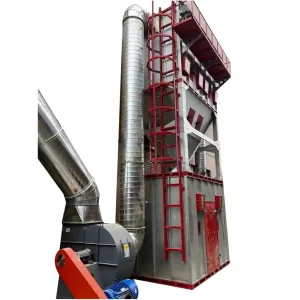
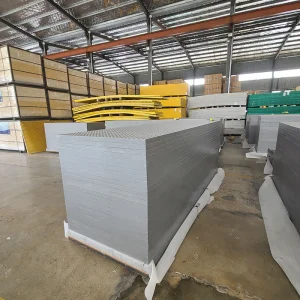
For items like fiberglass grating, chemical wire netting, or mining dust collectors, specifications must prioritize structural strength, flame retardancy, and chemical resistance. Ensure suppliers provide certified lab test reports rather than standard internal checklists.
Prefab container homes and insulated windows require high thermal efficiency and weather resistance. Suppliers must supply detailed engineering blueprints and show compliance with local zoning laws and structural wind-load requirements.
Sourcing food-grade APET sheets or heat-resistant PET preforms requires strict adherence to food safety standards. Factories must operate cleanrooms and maintain certifications like FDA or ISO 22000 to prevent chemical contamination.
The next decade of B2B procurement will see deeper integration between buyers and factory floors. Blockchain technology is beginning to secure end-to-end logistics data, providing tamper-proof records of material origins, quality tests, and chain of custody. This transparency helps mitigate supply chain risks and simplifies compliance reporting.
Artificial Intelligence is also streamlining supplier discovery and risk prediction. Predictive models analyze historical shipping data, raw material price fluctuations, and geopolitical risks to forecast production disruptions before they impact deliveries. Sourcing teams that adopt these digital tools can build more resilient, responsive supply chains.
Expert answers to common questions about bulk buying, quality assurance, and international logistics.
Expand your sourcing pipeline with high-specification construction materials, electronic systems, and industrial screening gear.
 Fintrace Window