Engineered to withstand heavy corrosion, high salinity, and intense UV exposure in Antigua and Barbuda.
Antigua and Barbuda, situated in the heart of the Leeward Islands, is characterized by a tropical maritime climate. With solar irradiance levels consistently tracking high UV index ratings (frequently peaking between 11 and 12+), structural and architectural materials are subjected to severe, non-stop photo-oxidative degradation. The intense ultraviolet radiation breaks down standard polymers, causing yellowing, loss of tensile strength, and premature structural failure in window screening and shade systems.
Moreover, the nation's close proximity to the Atlantic Ocean and the Caribbean Sea exposes materials to airborne chloride particles (salt mist). In high-salinity coastal environments like English Harbour, Jolly Harbour, and St. John’s, standard metal-mesh screens suffer from rapid galvanic corrosion, while low-grade fiberglass meshes undergo rapid delamination. Specifying screens with advanced polymer coatings and chemical wire netting has become a critical standard for resilient resort engineering and residential construction across the islands.
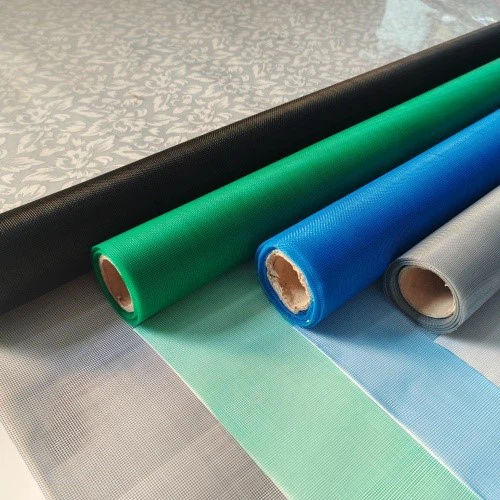
We test our composite materials under accelerated fluorescent UV exposure to simulate decades of tropical sunlight. This guarantees that our fiberglass mesh retains over 90% of its initial tensile strength and maintains high dimensional stability even under continuous solar radiation.
By coating our core fiberglass filaments in premium vinyl plastisol, we seal the inner fibers from chemical moisture attacks. This shielding prevents moisture ingress and salt-water crystallization within the weave, which typically causes micro-cracking and rot.
Tested in salt spray chambers conforming to ISO 9227 and ASTM B117, our fiberglass mesh and powder-coated aluminum screen solutions resist bubbling, flaking, and structural decay, outperforming standard market variants by more than 300% in coastal exposure duration.
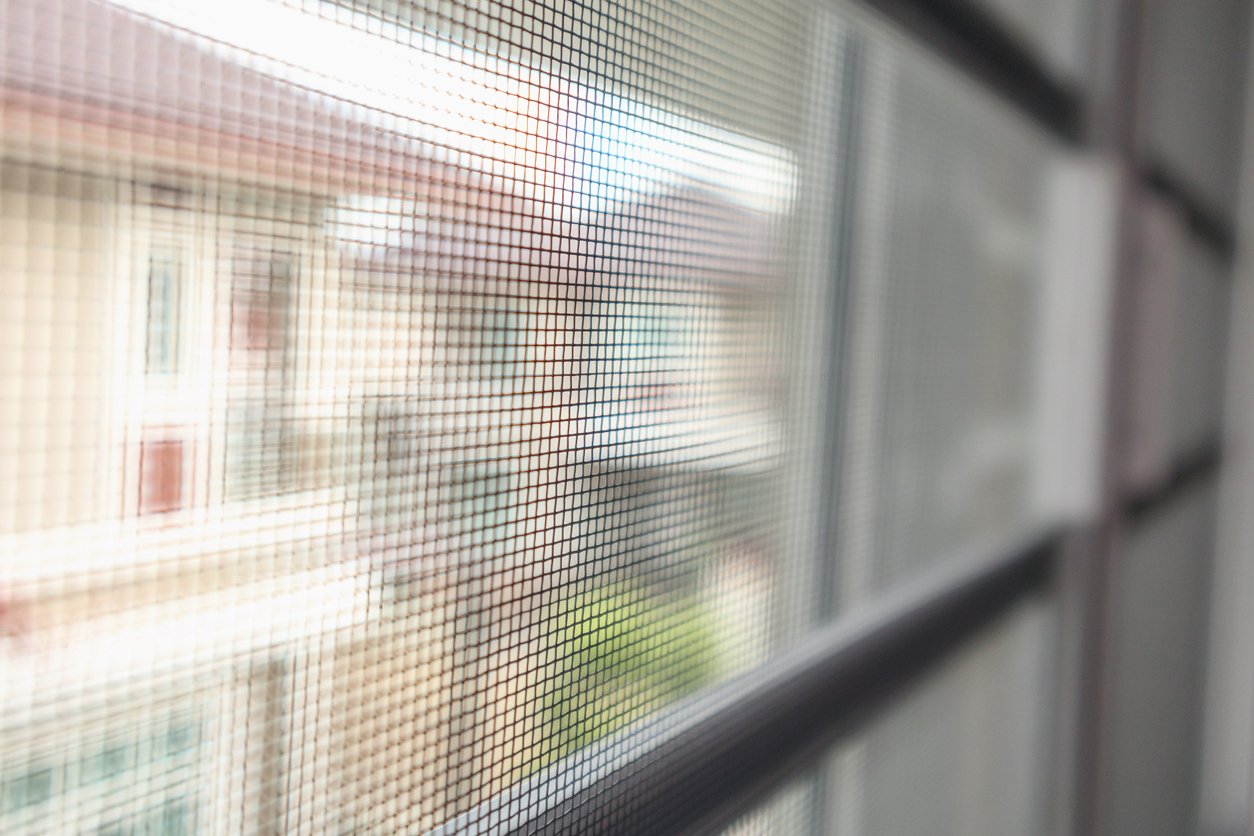
Founded in the mid-1980s, Foshan Fintrace Window Co., Ltd. has evolved into a premier global enterprise specializing in highly resilient window screening and mesh materials. Located in Shandong, one of China's most robust fiberglass industrial bases, our production campus spans over 40,000 square meters of specialized manufacturing facilities. Here, we host multiple lines of automated, computer-controlled weaving looms and high-precision heat-setting systems imported from global technology partners.
Our strategic alignment of raw material sourcing and high-speed precision manufacturing delivers a daily output capacity of up to 300,000 square meters. The integration of advanced finishing chemistry ensures that every square meter of our mesh displays consistent aperture dimensions, clean selvages, and superior resistance to environmental degradation. By operating at scale, we reliably supply bulk screen materials to distributors, developers, and processing facilities throughout the Caribbean and global markets.
The global dominance of Chinese factories in screen material manufacturing lies not just in volume, but in complete integration. Our Shandong-based manufacturing hub houses the entire supply cycle—from raw glass batching and yarn drawing to chemical formulation and final packaging. This vertical integration allows for meticulous quality control at each step, preventing material inconsistencies that compromise UV and moisture resistance.
Furthermore, our high-precision automated systems optimize material utilization, dramatically lowering per-unit costs compared to localized Western manufacturers. For importers in Antigua and Barbuda, sourcing directly from a tier-1 Chinese factory like Fintrace means securing high-grade materials at realistic price points, accompanied by customized product configurations. We adjust mesh densities, roll lengths, and coating flexibilities to align with specific regional wind load calculations and building code requirements.
Architectural design in Caribbean nations must strike a delicate balance between ventilation and structural shielding. Below are the key applications where our weather-proof screen materials provide critical durability:
For high-end tourist developments in Jolly Harbour or Dickenson Bay, our high-transparency stealth screens protect indoor-outdoor living spaces from insects while preserving sea views. The specialized UV stabilizers stop the screens from becoming brittle and tearing under constant exposure to direct sun and salt breezes.
Civic and government buildings require heavy-duty screens that demand minimal maintenance. Our chemical wire netting and coated mesh solutions offer high puncture resistance and do not degrade when exposed to municipal cleaning solvents or high humidity.
In greenhouses and food formulation facilities near St. John's, our mesh provides vital physical barriers against insect pests without restricting airflow, ensuring that temperature and humidity remain stable inside production zones.
Shipping building materials to island nations like Antigua and Barbuda requires meticulous logistics planning. Prolonged maritime shipping exposures expose raw materials to high moisture levels in sea containers, which can cause micro-molding or degradation before arrival. Fintrace uses heavy-duty, moisture-vapor-barrier packaging (including desiccant packs and reinforced cardboard tubes) to guarantee that all screen materials arrive in pristine condition.
We work closely with leading global logistics providers to establish efficient shipping lanes from major Chinese ports (such as Qingdao and Shanghai) to the Port of St. John's. With our daily capacity of 300,000 square meters, we maintain ample inventory levels, allowing us to fast-track production and dispatch bulk orders quickly, minimizing downtime for Caribbean contractors and distributors.
Explore our diverse catalog of high-performance materials and specialized engineering products.
As the building industry pivots towards net-zero and sustainable practices, screening materials are playing a key role in energy conservation. High-performance screens now act as passive cooling systems. By optimizing the open area percentage and surface geometry, modern meshes reflect solar heat gain, reducing the load on HVAC systems in tropical settings like St. John's.
Additionally, developers are demanding eco-friendly materials that comply with certifications like LEED and BREEAM. We are actively incorporating low-VOC emission coatings and bio-compatible plasticizers into our vinyl-coated fiberglass production lines. Choosing high-durability materials that do not degrade rapidly avoids frequent replacements, significantly reducing long-term environmental waste.
Expert technical answers regarding screen durability, UV resistance, and logistics for Antigua and Barbuda.
Marine-grade screens feature fibers encapsulated in high-durability polymers (such as premium vinyl plastisol) that withstand continuous salt-spray exposure. This prevent salt crystals from penetrating the weave core, preventing internal rot and structural failure typical in standard screening.
Under extreme UV exposure, non-stabilized polymers undergo photo-oxidation. The energy from the UV spectrum breaks chemical bonds in the polymer, causing the screen material to discolor, become brittle, and easily tear under moderate wind pressure.
Yes, we provide specialized customization services. We can adjust the roll width, length, mesh configuration (e.g., 18x16, 20x20), and color profiles to match architectural designs and structural parameters in Antigua and Barbuda.
Typical manufacturing turnaround is 15-20 days from deposit verification, depending on volume. Ocean transit times from Chinese ports to the Port of St. John's typically range between 30 and 45 days, depending on shipping lines and transshipment schedules.
 Fintrace Window