Engineering-grade fire resistive materials optimized for high-temperature applications, mechanical installations, and architectural shielding in active industrial corridors.
As a global maritime gateway, Busan demands high-tier passive fire protection. We analyze local industrial dynamics, regulatory landscapes, and physical structural specifications.
Busan, the maritime heart of South Korea, stands as one of the world's most vital logistical, shipbuilding, and industrial centers. Housing massive shipyards, heavy industrial complexes (such as Noksan National Industrial Complex), and the bustling Port of Busan, the region operates under strict regulatory frameworks designed to protect highly valuable industrial assets and dense human populations. The convergence of heavy marine traffic, chemical production zones, and deep-sea logistics hubs makes Fire Resistance and Safety Standards a critical priority for local engineers, procurement specialists, and municipal developers.
In Busan's manufacturing sector, the risk profiles of coastal facilities differ significantly from inland operations. Marine atmospheres introduce high relative humidity, chloride-induced corrosion, and violent temperature transitions. Under these conditions, standard fireproofing materials break down rapidly. Therefore, local compliance requires systems that not only resist thermal impact but also possess outstanding weatherability, salt-fog resistance, and mechanical adhesion properties. For exporters supplying into the Busan market, understanding the local fire codes—particularly the Korean Building Act and the rigorous maritime safety mandates of the Korean Register (KR)—is a non-negotiable prerequisite.
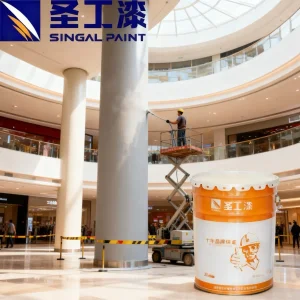
To support this high-hazard ecosystem, local structural engineers mandate specialized solutions. For instance, offshore oil rigs, liquefied natural gas (LNG) terminals, and shipboard engine rooms require active and passive fire containment systems tested under severe hydrocarbon fire conditions. Standard cellulosic testing curves (like ISO 834) are replaced by demanding UL 1709 or IMO Jet Fire test standards. This is where advanced non-intumescent coatings, high-density fiber cement boards, and heavy-duty fiberglass gratings provide the necessary protective threshold to allow evacuation and critical system shutdown during fire emergencies.
A look at structural engineering standards that govern international safety procurement and build validation across diverse regulatory systems.
In modern industrial design, fire safety is no longer governed by regional codes alone. Global trade networks require manufacturers to cross-certify products against European Norms (EN), American Society for Testing and Materials (ASTM), Underwriters Laboratories (UL), and the International Maritime Organization (IMO) codes. This universal standardization ensures that a component sourced in Asia can be confidently specified for an infrastructure project in Europe, a marine vessel in the Americas, or an energy terminal in Busan.
For structural steel protection, ASTM E119 and UL 263 represent the gold standard for testing structural member endurances under controlled heating conditions. Concurrently, European markets rely on EN 13381 sequences to certify intumescent coatings and board protection mechanisms. In marine application frameworks, the IMO FTP (Fire Test Procedures) Code Part 1 through Part 11 mandates strict flame spread index limits, smoke toxicity thresholds, and non-combustibility protocols. Any material installed within vessel cabin partitions, escape routes, or engine rooms must bear the Wheelmark (or equivalent local classification approval) to guarantee safety under isolation conditions at sea.
Moreover, electrical containment systems must prevent flame propagation within high-density cable trays. The UL94 classification system (specifically the VW-1 vertical wire flame test rating) certifies that insulation sleeves and wire polymers will self-extinguish within a specified time frame, preventing a localized electrical fault from developing into a catastrophic industrial fire. When sourcing raw protective materials or fabricated components, verified test certificates from independent laboratories (such as SGS, TÜV, or Intertek) form the baseline of E-E-A-T (Experience, Expertise, Authoritativeness, and Trustworthiness) required by institutional buyers.
Specialized components tested under severe conditions to protect infrastructure, tunnels, ship decks, and high-temperature machinery.
Global fire protection supply chains rely on manufacturing ecosystems that combine raw material abundance, advanced automation, and strict quality control. Chinese factories, particularly those situated in historic industrial hubs like Shandong, offer unique competitive advantages for global buyers, including those in the Busan region.
By leveraging automated precision systems and specialized chemistry labs, these manufacturing clusters deliver high-volume orders with short lead times and consistent product performance. Rapid prototyping, optimized material sourcing, and efficient port logistics allow Chinese exporters to supply certified fireproofing components at a highly competitive cost-to-performance ratio.
This integration of advanced manufacturing technology and global compliance frameworks makes Chinese exporters a preferred choice for large-scale infrastructure projects, marine vessel construction, and industrial facility developments worldwide.
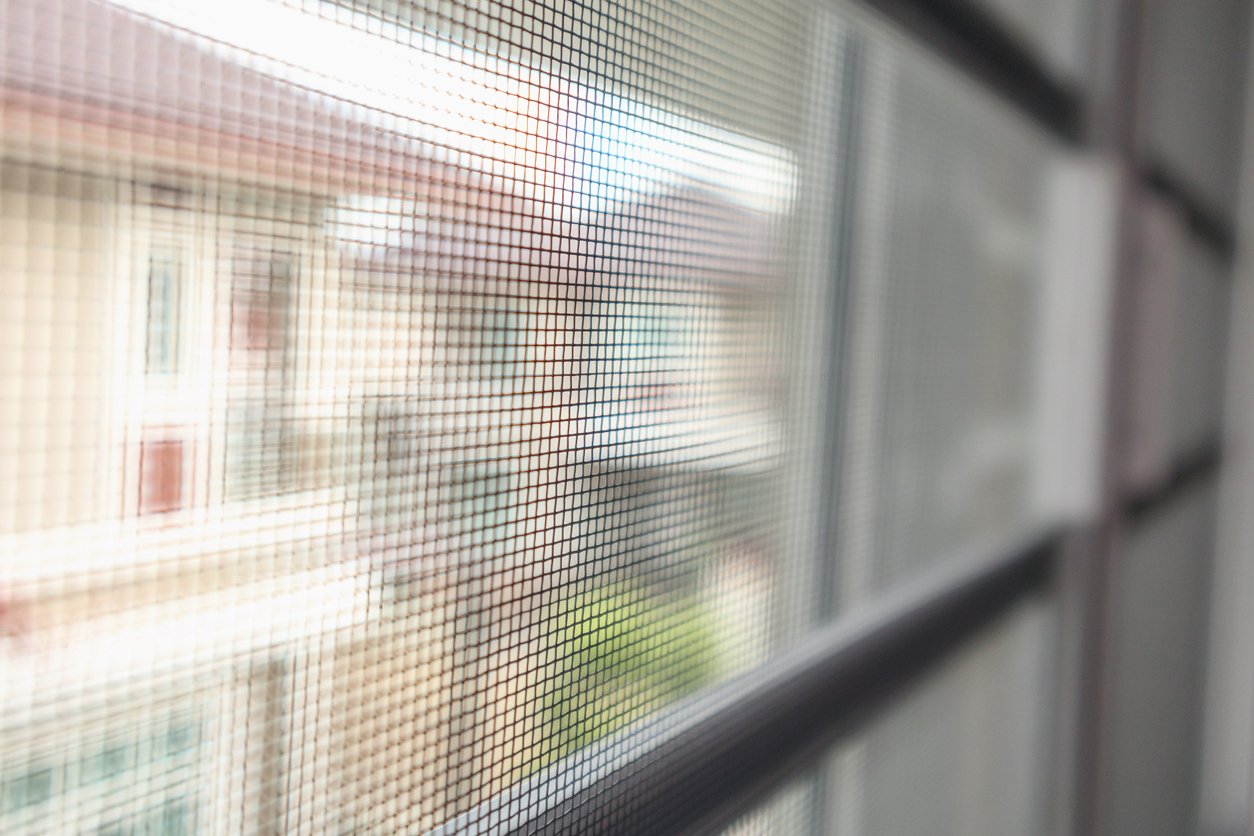
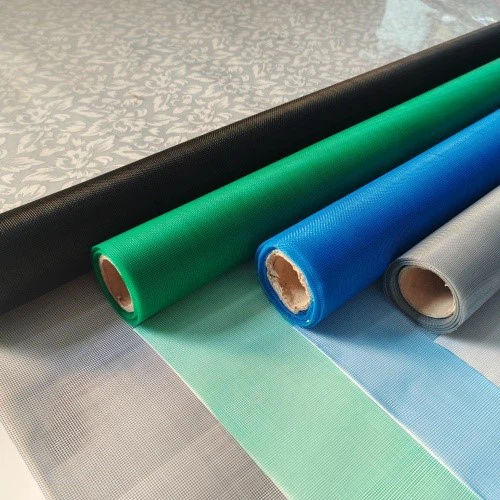
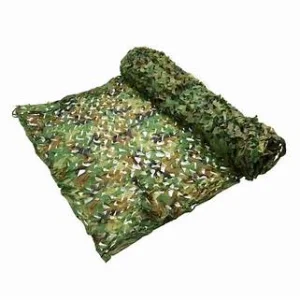
Founded in the mid-1980s, Foshan Fintrace Window Co., Ltd. has grown into a professional manufacturer specializing in window screening materials. The company is located in one of China’s major fiberglass product manufacturing bases in Shandong. Covering an area of more than 40,000 square meters, Fintrace has developed into a large-scale production enterprise dedicated to the manufacturing of stealth window screens, fiberglass mesh cloth, and chemical fiber wire netting.
To ensure high product quality and stable production capacity, the company is equipped with multiple sets of precision, fully automated computer-controlled equipment imported from abroad. By adopting internationally advanced finishing and processing technologies, Fintrace has achieved a daily production capacity of up to 300,000 square meters. With strong technical capabilities and modern manufacturing facilities, the company maintains a leading position in the window screen mesh industry.
Fintrace Window Co., Ltd. always adheres to the business philosophy of honesty, quality first, and reasonable pricing. Its products are widely sold in both domestic and international markets and have gained recognition from customers worldwide. In addition to standard products, the company also offers customized processing services based on specific customer requirements. Fintrace sincerely welcomes partners and friends from all industries to visit, communicate, and explore long-term cooperation opportunities.
Analyzing how fire protection components are utilized in practical field scenarios, from marine compartments to underground infrastructure.
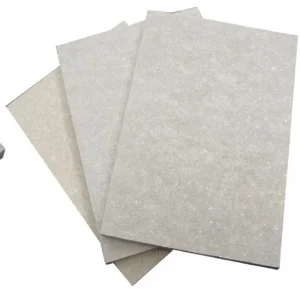
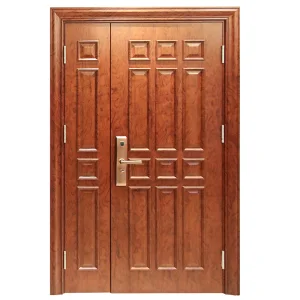
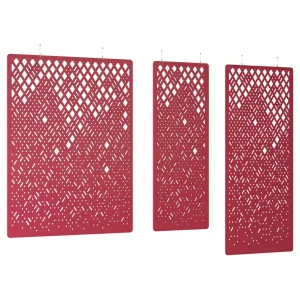
Shipbuilding applications require fire barriers that prevent fire spread through marine bulkheads. Fireproof wood panels, door draft assemblies, and fiber cement boards serve as structural acoustic dividers, meeting IMO non-combustibility rules and withstanding moisture and mechanical stress in marine settings.
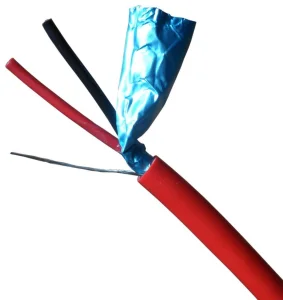
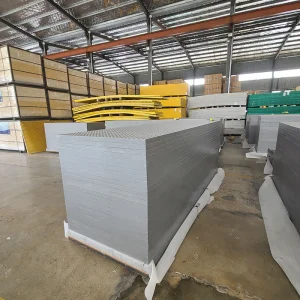
Subways and road tunnels are high-risk zones for smoke accumulation and heat buildup. Specifying UL 94 electrical sleeves, halogen-free shielded cables, and chemical-resistant fiberglass gratings ensures ventilation and emergency lighting remain operational during critical evacuation windows.
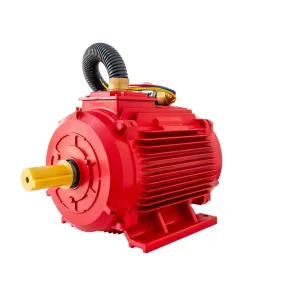
Busan's chemical facilities and battery storage plants require robust protection against thermal runaway. Advanced coatings, high-temperature fans, and heat shields protect equipment, reduce risk, and help isolate localized thermal incidents before they spread.
The industry is transitioning toward clean, halogen-free, and sustainable fire protection materials. Regulatory updates like REACH and RoHS restrict toxic brominated flame retardants in high-temperature polymers. Research now focuses on bio-sourced intumescent systems, nano-clays, and ceramic-forming silicon compounds that create high-insulation barriers when heated. At the same time, combining physical barriers with smart fire-detection sensors allows real-time structural health monitoring, providing early warnings for industrial facilities.
Discover our full catalog of certified safety products designed for structural protection, ventilation, defense operations, and commercial architecture.
Key criteria to consider when sourcing fire protection components, ensuring compliance, performance, and long-term durability.
Purchasing fire protection components requires careful evaluation of safety certifications. Procurement managers must verify that supplier claims are backed by testing from accredited laboratories. Below are the key steps for validating products before purchasing:
These codes apply to different structural scenarios: ASTM E119 measures the fire resistance of structural elements (like steel columns or walls) under high thermal loads. UL94 testing determines the flammability of plastic components, assessing their self-extinguishing capabilities (like the VW-1 wire rating). IMO FTP focuses on marine environments, testing materials for flame spread, smoke density, and toxicity on commercial vessels and offshore platforms.
Busan's coastal environment exposes facilities to high humidity, ocean spray, and airborne salt. These elements accelerate corrosion, which can degrade fire protection coatings, fiberglass structures, and safety wiring. Materials used here must offer both high fire ratings and tested resistance to chemical corrosion and salt spray.
Chinese factories, such as Fintrace's 40,000 sqm automated facility, utilize advanced computer-controlled systems to achieve significant scale (e.g., up to 300,000 square meters daily capacity). This high volume helps maintain consistent product quality while reducing unit costs and shipping lead times for global projects.
Regulations such as REACH and RoHS require fireproof materials to limit toxic emissions during combustion. Modern systems utilize halogen-free formulations, reducing the release of toxic smoke and gases during thermal events to improve occupant safety.
Contact our engineering team to request product samples, test certificates, or custom fabrication options for your next project.
 Fintrace Window