Engineered specifically for Namibia's highly abrasive dust loads, dry atmospheric conditions, and coastal marine fog belts.
Namibia exhibits one of the most demanding environmental profiles for mechanical installations, electronic instrumentation, and structural surfaces globally. The convergence of the hyper-arid Namib Desert, the semi-arid Kalahari basin, and the high-salinity ambient moisture along the Atlantic seaboard (particularly around Walvis Bay and Swakopmund) creates a unique hazard environment. Fine silica particulates, airborne sands, and saline marine aerosols form sticky, abrasive coatings that adhere to standard industrial surfaces. This process, known as dust-cementing, accelerates mechanical erosion and leads to galvanic corrosion, threatening operational continuity.
For industries operating within the Erongo mining district, the central plateau, or coastal logistics lanes, managing dust is not merely about maintenance; it is a critical strategy for asset preservation. Standard equipment degrades prematurely under Namibia’s high ultraviolet index and intense sand shear. Sourcing high-performance dust-proof materials and easy-clean coatings remains vital to maintaining mechanical resilience, high thermal dissipation, and electrical isolation across municipal and industrial sites.
Modern dust mitigation relies on material surface science. To achieve true dust-proof and easy-clean performance in Namibian mines, ports, and construction sites, materials must possess specific physical properties:
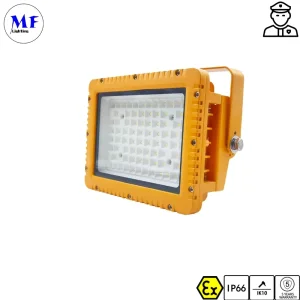
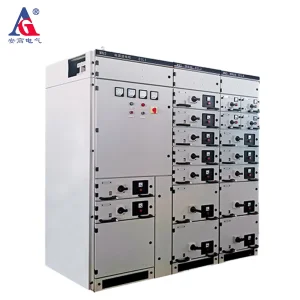
Mining and Processing (Erongo, Karas Regions): The processing of uranium, copper, zinc, and diamonds produces highly abrasive dust. Equipment must be protected with heavy-duty tarpaulins, explosion-proof light fixtures with dust-excluding seals, and IP-rated low-voltage switchgears to prevent electrical breakdown in motor control centers.
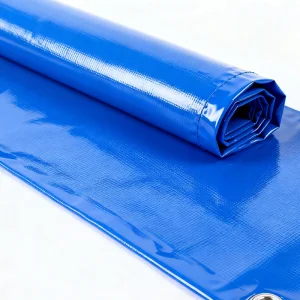
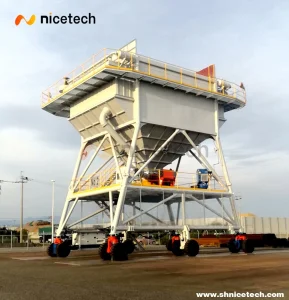
Transport and Corridors: The Trans-Kalahari and Trans-Kunene corridors experience heavy dust conditions. Bulk logistics operations use automated roll-up tarpaulins and custom PVC covers to contain mineral dust and protect cargo from road sands.
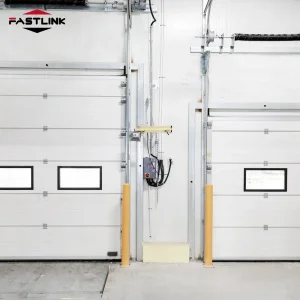
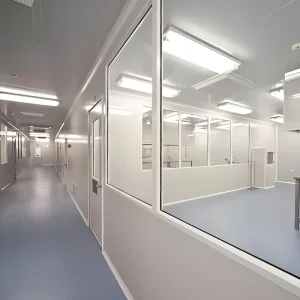
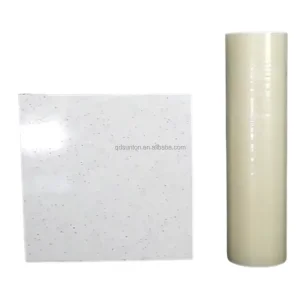
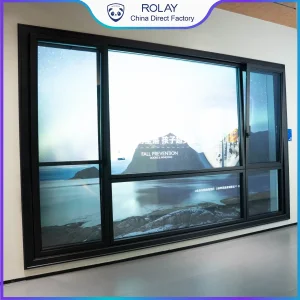
Civil Construction and Urban Development (Windhoek, Swakopmund): Urban construction projects must comply with dust control laws. Temporary floor protection films, cleanroom systems, and dustproof aluminum window/door systems help maintain indoor air quality during building finishes.
Direct access to advanced production infrastructure for high-performance screening, mesh, and cleanroom technologies.
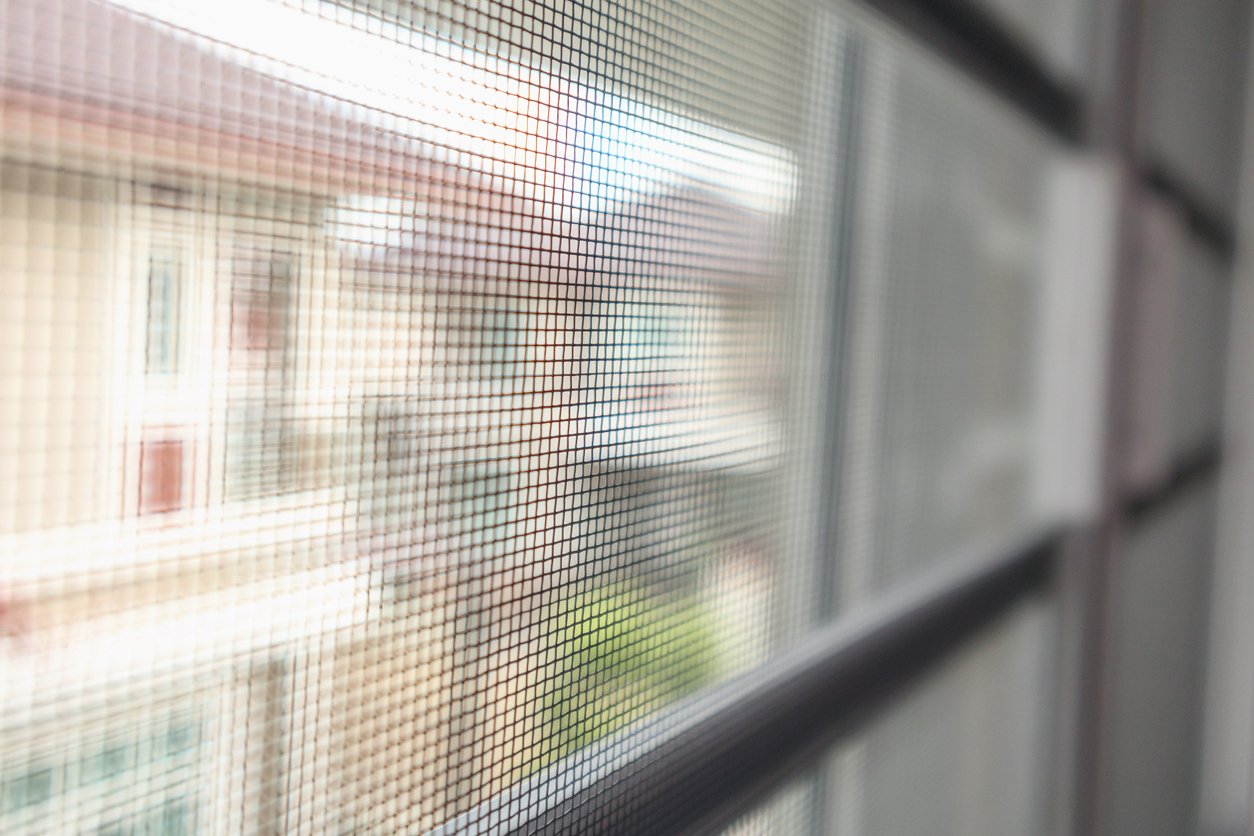
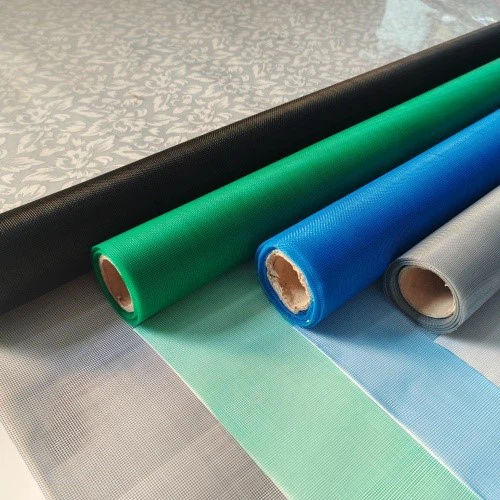
Foshan Fintrace Window Co., Ltd. was founded in the mid-1980s and has grown into a professional manufacturer specializing in window screening materials. The company is located in one of China’s major fiberglass product manufacturing bases in Shandong. Covering an area of more than 40,000 square meters, Fintrace has developed into a large-scale production enterprise dedicated to the manufacturing of stealth window screens, fiberglass mesh cloth, and chemical fiber wire netting.
To ensure high product quality and stable production capacity, the company is equipped with multiple sets of precision, fully automated computer-controlled equipment imported from abroad. By adopting internationally advanced finishing and processing technologies, Fintrace has achieved a daily production capacity of up to 300,000 square meters. With strong technical capabilities and modern manufacturing facilities, the company maintains a leading position in the window screen mesh industry.
Fintrace Window Co., Ltd. always adheres to the business philosophy of honesty, quality first, and reasonable pricing. Its products are widely sold in both domestic and international markets and have gained recognition from customers worldwide. In addition to standard products, the company also offers customized processing services based on specific customer requirements. Fintrace sincerely welcomes partners and friends from all industries to visit, communicate, and explore long-term cooperation opportunities.
Ensuring reliability through rigorous certification and quality assurance testing.
Sourcing dust-proof materials from Chinese manufacturers provides cost efficiencies, customization options, and scalable production. Shipments are handled via optimized shipping routes from Qingdao, Shanghai, or Shenzhen directly to the Port of Walvis Bay.
Our logistics network ensures seamless customs clearance via the Namport network, facilitating onward transit to inland locations such as Windhoek, Tsumeb, and Rosh Pinah.
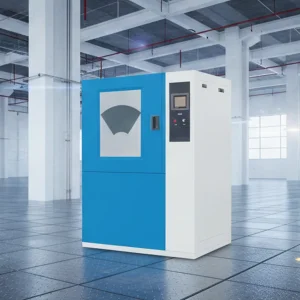
Products undergo rigorous testing inside dust-proof analyzer chambers. These chambers simulate desert windstorms using dry talcum powder dynamically suspended at airflow velocities up to 2m/s.
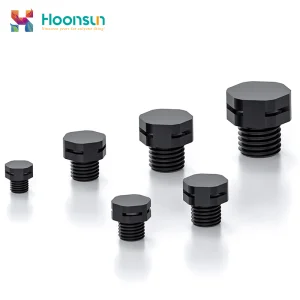
This ensures that our line of switchgears, enclosures, and vent plugs meet or exceed international standards (such as IEC 60529), confirming performance levels of IP6X under high dust-pressure conditions.
Expert engineering insights for selecting and importing dust-proof components into Namibia.
For sites operating in the Erongo uranium belt, an IP66 rating is the minimum standard for electrical enclosures. It offers dust-tight protection and shields against high-pressure water jets. For applications exposed to ocean moisture and sand erosion (e.g., Walvis Bay port operations), upgrading to IP67 or IP68 is recommended to prevent water ingress from coastal fog during temperature drops.
When gearboxes heat up during operation, internal pressure rises. As they cool, a partial vacuum is created, drawing in outside air. In dusty environments, this air carries silica particles, contaminating the oil and causing gear wear. Hydrophobic, breathable vent plugs use expanded PTFE membranes to allow air exchange while blocking water and dust, preventing vacuum-induced contamination.
Standard PVC degrades quickly under Windhoek's high UV index (often exceeding 11). Our custom PVC tarpaulins are formulated with UV-absorbing additives and titanium dioxide blockers. This prevents polymer degradation, keeping the covers flexible and resistant to tearing under high wind loads on open-bed trucks.
Ocean freight from major Chinese ports (Qingdao, Shanghai, Shenzhen) to Walvis Bay takes between 28 to 35 days. Fast-track customs clearance and intermodal transport along the Trans-Kalahari corridor can deliver goods to Windhoek, Swakopmund, or the southern mining regions within 5 to 7 days after vessel discharge.
Yes. For coastal locations like Walvis Bay, we use marine-grade stainless steel (316L), anodized aluminum, and specialty polymers to prevent galvanic corrosion caused by salt fog. This combination ensures long-term performance in offshore marine structures and port storage yards.
Explore our full line of industrial and commercial solutions, optimized for the Namibian market.
Partner with leading Chinese manufacturers to deliver high-quality, IP-rated, dust-resistant components tailored to the environmental demands of Namibia.
 Fintrace Window