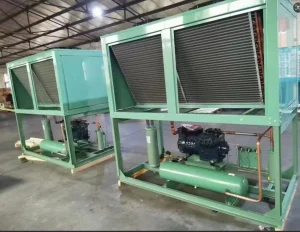
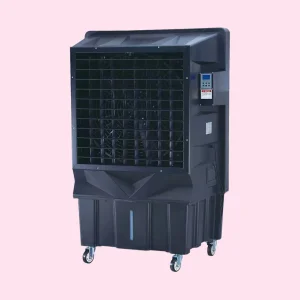
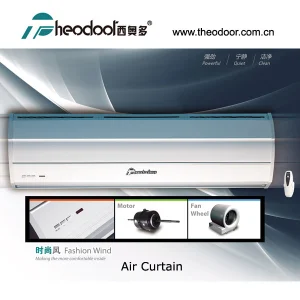
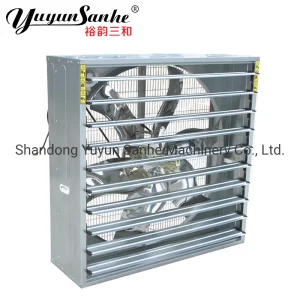
Discover our initial selection of high-velocity airflow and dust extraction equipment optimized for localized Italian commercial and industrial facilities.
The Metropolitan Area of Naples, nestled along the Tyrrhenian coast, experiences a distinct Mediterranean climate characterized by intense solar radiation, high relative humidity, and significant exposure to corrosive sea spray (salinity). For architects, building designers, and industrial planners in Campania, selecting the correct window screening material is not merely a matter of insect exclusion. It is a critical engineering decision that affects the building's thermal envelope, HVAC load, indoor air quality, and visual comfort index.
Additionally, historical restorations and modern residential projects in locations like Posillipo, Vomero, and the adjacent Amalfi coast require screening materials that disappear visually. They must maintain high light transmission, preserving the scenic landscape while offering mechanical resistance to coastal winds. This creates a high-barrier engineering challenge: maximizing airflow (reducing dynamic pressure drops) while simultaneously optimizing optical clarity and resisting saline degradation.
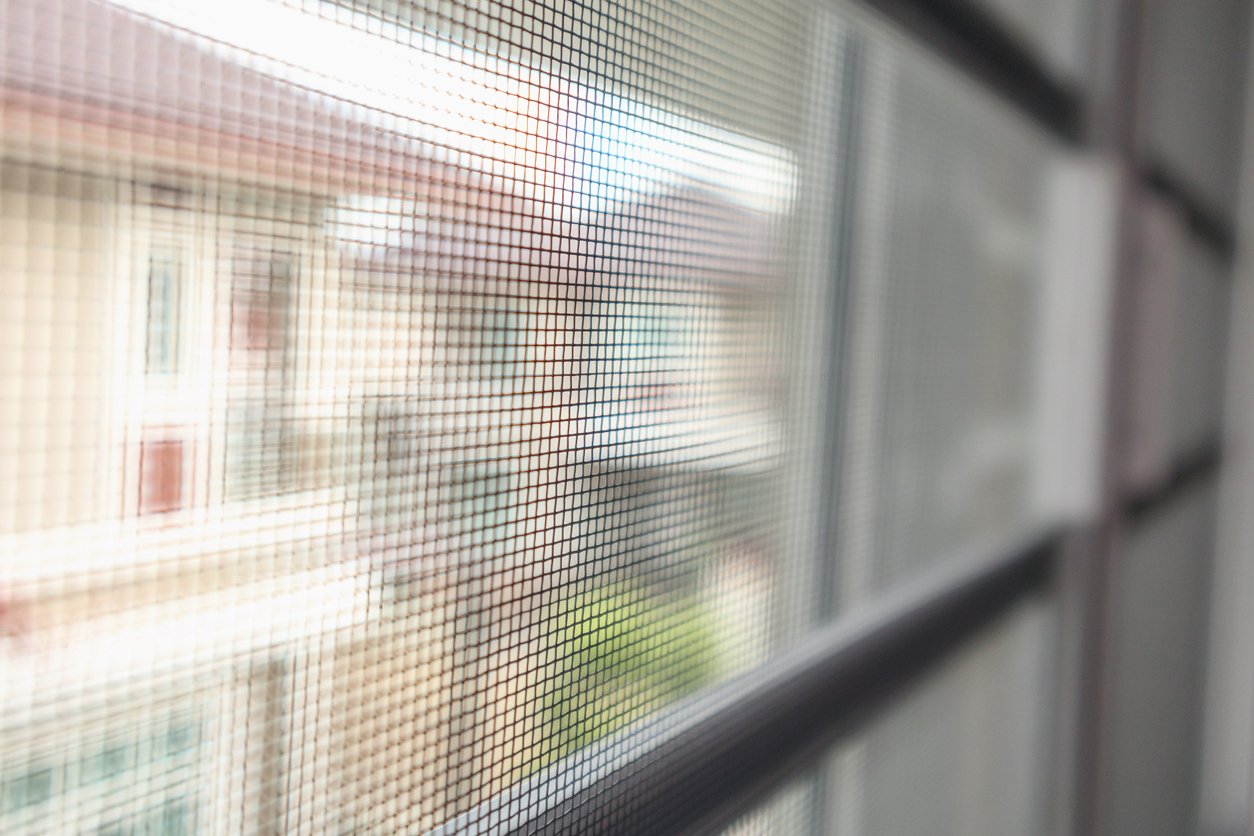
When air passes through a porous screen mesh, a localized pressure drop (ΔP) occurs. This drop is governed by the mesh open area percentage (OAP) and the yarn/wire thickness. Fintrace engineers optimize this through specific weaving geometries. By using high-tensile fiberglass cores and ultra-thin, uniform PVC coatings, we achieve a thinner yarn diameter without sacrificing tensile strength. This elevates the OAP above 70%, facilitating high volumetric flow rates during natural ventilation periods, which significantly reduces mechanical cooling requirements in Naples' hot summer months.
Light transmission in window screens is determined by the absorption, reflection, and transmission characteristics of the coating material. A common engineering misconception is that lighter-colored mesh yields better visibility. In reality, lighter mesh scatters light, creating visual glare. Fintrace's deep charcoal and black carbon-fiber infused formulations absorb incoming direct solar rays, yielding up to 85% visible light transmission and zero optical distortion. This preserves scenic coastal views, increases the building's Daylight Factor (DF), and helps satisfy regional compliance under Italian building codes (DM 26/06/2015).
In Southern Italy, dust from nearby volcanic regions and urban particulate matter can block screen pores, causing airflow capacity to decline over time. Our research roadmap focuses on hydrophobic and oleophobic nanotechnology finishes. These nano-coatings lower the surface energy of the fiberglass fibers, causing dirt particles to be washed away during rainfall (the self-cleaning Lotus Effect). This ensures that light transmission and ventilation properties remain consistent over the screen's lifecycle, lowering maintenance overhead for municipal and commercial infrastructure.
How our airflow-focused screen materials integrate into key sectors within the Campania regional economy.
Integrating microscopic-mesh screens within double-skin facades to enable natural convective currents, reducing mechanical heating, ventilation, and air conditioning loads by up to 22% in commercial structures.
Deploying tailored screening systems in greenhouses along the Volturno basin to prevent insect vector invasion (such as Bemisia tabaci) while preserving air renewal rates to prevent mold growth.
Utilizing specialized centrifugal airflow vibrating screens and high-volume cartridge collector systems for processing, chemical refining, and bulk material handling in Naples' industrial parks.
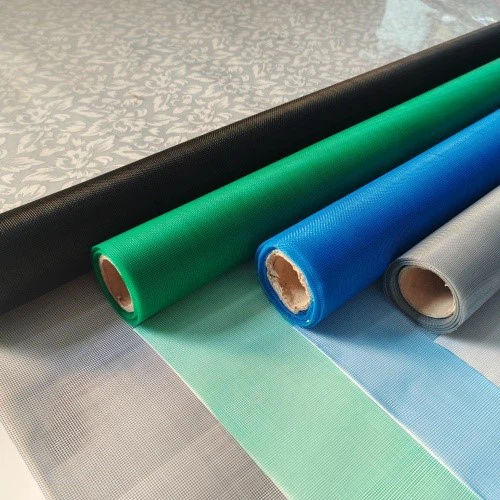
Navigating building codes and procurement criteria in the European Union demands rigid adherence to regulatory frameworks. For screen installations, the critical harmonized standard is EN 13561 (External blinds and screens - Performance requirements including safety). Fintrace products undergo testing for wind load resistance class (up to Class 6 depending on system configuration) and solar performance metrics.
For Italian energy retrofits (including historic and eco-efficient renovations under ENEA guidelines), thermal transmittance calculations must account for the gtot value (the solar factor of the combined glazing and solar shading device). Fintrace supplies full spectral data sheets (transmittance, reflectance, and absorption properties) to assist architectural engineers in Naples during the simulation and energy certification phases.
Merging heritage manufacturing values with modern, automated Industry 4.0 facilities to serve global commercial markets.
Foshan Fintrace Window Co., Ltd. was founded in the mid-1980s and has grown into a professional manufacturer specializing in window screening materials. The company is located in one of China’s major fiberglass product manufacturing bases in Shandong. Covering an area of more than 40,000 square meters, Fintrace has developed into a large-scale production enterprise dedicated to the manufacturing of stealth window screens, fiberglass mesh cloth, and chemical fiber wire netting.
To ensure high product quality and stable production capacity, the company is equipped with multiple sets of precision, fully automated computer-controlled equipment imported from abroad. By adopting internationally advanced finishing and processing technologies, Fintrace has achieved a daily production capacity of up to 300,000 square meters. With strong technical capabilities and modern manufacturing facilities, the company maintains a leading position in the window screen mesh industry.
Fintrace Window Co., Ltd. always adheres to the business philosophy of honesty, quality first, and reasonable pricing. Its products are widely sold in both domestic and international markets and have gained recognition from customers worldwide. In addition to standard products, the company also offers customized processing services based on specific customer requirements. Fintrace sincerely welcomes partners and friends from all industries to visit, communicate, and explore long-term cooperation opportunities.
| Performance / Spec Metric | Fintrace Fiberglass Screening | Standard Market Mesh | Engineering Benefit |
|---|---|---|---|
| Yarn Core Material | Continuous E-glass Monofilament | Recycled Glass Fiber blend | High tensile strength, no sag |
| Average Light Transmission | Up to 85% (Charcoal formulation) | 65% - 72% | Enhanced daylighting, view preservation |
| Airflow Open Area (OAP) | 71.5% - 78% (Optimized configurations) | 58% - 63% | Low pressure drop, superior ventilation |
| Tensile Strength (Warp / Weft) | > 280 N / > 260 N | < 190 N / < 170 N | Withstands strong wind loads (EN 13561) |
| Salt Spray Resistance (ISO 9227) | Tested > 1000 hrs (No degradation) | < 240 hrs (Surface corrosion) | Ideal for Naples' marine environments |
A comprehensive suite of machinery and airflow control components engineered for manufacturing environments, industrial filtration, and bulk processing in the Naples region.
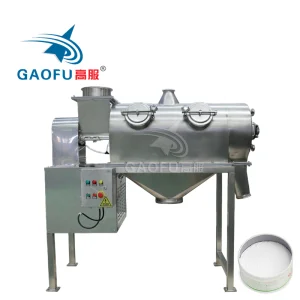
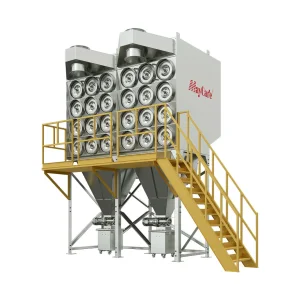
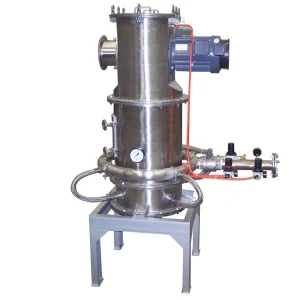
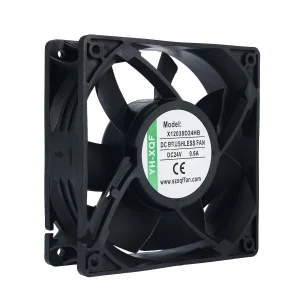
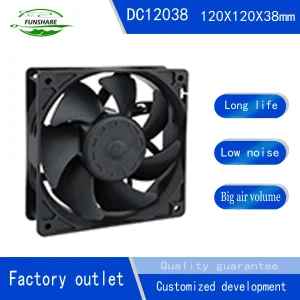
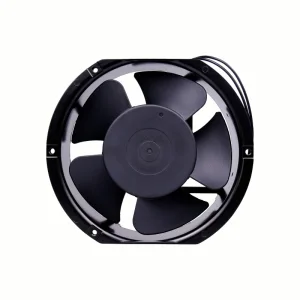
Key metrics technical purchasers evaluate when sourcing high-airflow window screens for real estate and manufacturing applications.
Purchasers often specify "18x16 mesh" without detailing the wire diameter. An 18x16 mesh with a 0.28mm filament provides a different performance profile than the same count with a 0.24mm filament. The latter yields higher light transmission and open area (for better airflow) but slightly lower mechanical impact resistance. Fintrace works with industrial buyers to calculate the balance for their project's wind load and ventilation criteria.
For locations in coastal Campania, specifying the appropriate level of UV stabilization is crucial. Unstabilized PVC coatings deteriorate under intense Mediterranean solar UV, leading to embrittlement, cracking, and sagging. Fintrace uses custom UV inhibitors to extend product lifecycles to 10+ years under high solar exposure.
With an annual capacity exceeding millions of square meters, Fintrace manages the logistics and quality demands of major developers, distributors, and screen manufacturers in Southern Europe. Operating our own automated fiberglass drawing, coating, and weaving facilities allows us to maintain stable production costs and fast turnaround times. This provides a clear alternative to local European distributors facing raw material bottlenecks.
Common questions from architects, system designers, and procurement managers in the Italian and Mediterranean markets.
Whether designing a low-energy residential building in Sorrento or specifying industrial screening machinery for food production facilities in Campania, our engineering team is ready to assist. Contact us for custom roll sizes, technical specs, and competitive price quotes.
 Fintrace Window