Premium OEM/ODM hardware, engineered glass panels, and environmental barrier controls optimizing commercial, industrial, and residential energy performance.
An Analysis of Architectural Envelope Performance and High-Output Custom Manufacturing Systems
As the international community accelerates toward net-zero emissions, the demand for sophisticated OEM/ODM Energy Efficiency Solutions has transitioned from an environmental ideal to a strict operational mandate. Building envelopes, manufacturing systems, and localized temperature regulation account for over 40% of global primary energy consumption. Consequently, sourcing engineered, high-performance barriers, insulated double-glazed windows, and automated production machinery has become the cornerstone of sustainable supply chains.
Modern developers and industrial operators look beyond basic energy audits. The focus has shifted to deep structural optimization—including thermal glass innovations, customized fiberglass screening meshes that regulate solar radiation while permitting airflow, and efficient mechanical component manufacturing. In this white paper, we explore how cutting-edge OEM/ODM integration, spearheaded by leading manufacturers, addresses the dual pressures of environmental compliance and bottom-line economic efficiency.
At the center of global energy efficiency component supply chains stands Foshan Fintrace Window Co., Ltd. Founded in the mid-1980s, the company has evolved into a premier manufacturer and exporter specializing in energy-regulating window screening materials and advanced building barrier technologies. Strategically located within one of China's major fiberglass product manufacturing hubs in Shandong, the company operates a sprawling production campus spanning more than 40,000 square meters.
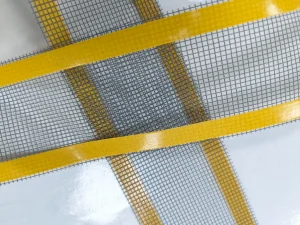
By focusing on structural reliability, precision material science, and high-volume consistency, Fintrace has established itself as an essential partner for international distributors, real estate developers, and industrial system engineers. The factory's core specialization covers stealth window screens, fiberglass mesh cloth, and chemical fiber wire netting—each key elements in reducing HVAC loading, maintaining indoor thermal comfort, and enhancing structural durability.
Equipped with multiple lines of advanced, computer-controlled production systems imported from top-tier international machinery manufacturers, Fintrace guarantees a daily output capability of up to 300,000 square meters. This massive manufacturing capacity ensures that large-scale global OEM and ODM orders are fulfilled on schedule without compromising on standard quality metrics.
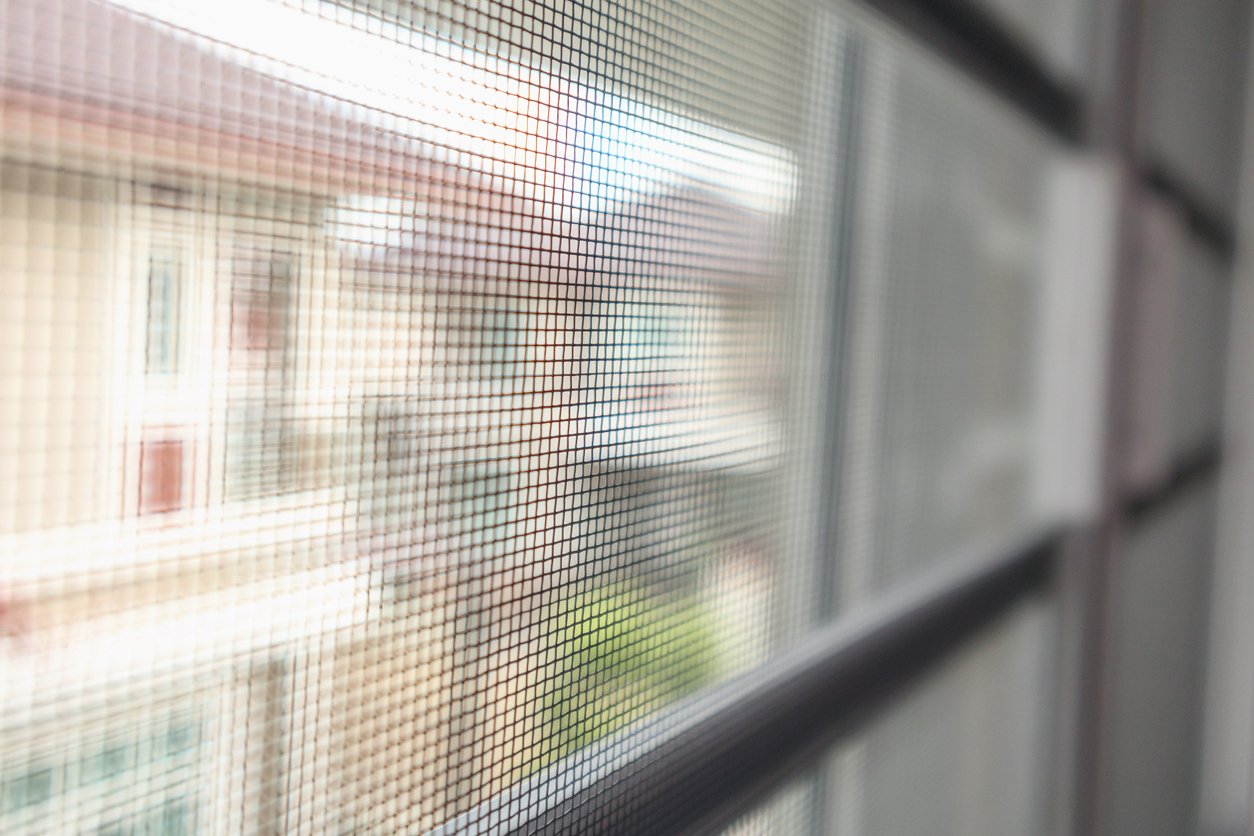
"Adhering to the corporate philosophy of integrity, quality first, and competitive positioning, Foshan Fintrace Window Co., Ltd. merges traditional expertise with modern automation. We deliver not just components, but certified systems designed to lower structural heat loads worldwide."
How Advanced Computing and Precision Extrusion Enable Lower Embodied Energy and Cost Savings
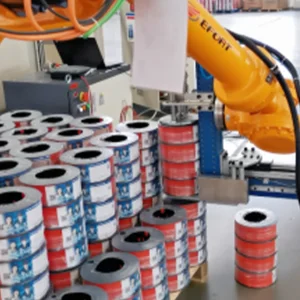
Modern procurement strategies depend on more than just low unit costs; they require supply chain resilience, technological agility, and high environmental compliance. The emergence of China's Factory 4.0 infrastructure has reshaped how custom OEM/ODM solutions are produced and exported. By integrating automated manufacturing steps—such as computer-controlled mesh weaving, electronic stress testing, and low-energy palletizing systems—factories minimize waste and lower the overall carbon footprint of every product.
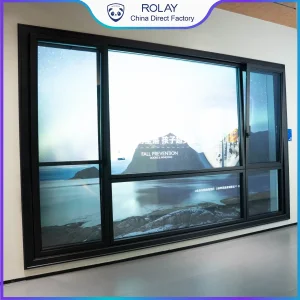
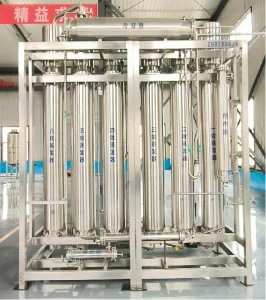
This automated manufacturing approach is illustrated by the production of precision building elements, ranging from high-performance double-glazed aluminum systems to customized structural components. For example, using automated computer-controlled equipment enables Fintrace to maintain tight tolerances during finishing and processing. These strict quality controls translate to predictable performance on-site, ensuring that building elements effectively prevent heat leakage and stand up to long-term exposure in harsh climates.
High-volume daily output reduces unit costs, giving OEM/ODM partners competitive pricing on premium materials.
Advanced fiberglass and chemical fiber netting engineered for thermal insulation, durability, and air-filtration balance.
Imported automated finishing machinery prevents structural weak points, ensuring zero-defect exports.
The performance of energy efficiency solutions depends heavily on local climate challenges. A standard component cannot deliver the same performance under the high solar index of the Middle East as it does during a freezing Northern European winter. Consequently, customizable OEM/ODM solutions are crucial for project success:
Comparing High-Performance Shielding Mesh with Standard Screen Systems
For procurement officers evaluating OEM partners, understanding technical performance is key. The table below illustrates the measurable differences in energy efficiency, durability, and cost savings achieved by transitioning from standard wire netting to advanced Fintrace fiberglass meshes and double-glazed structural elements.
| Performance Parameter | Standard Screening Products | Advanced Fintrace Mesh Systems | Direct System Benefit |
|---|---|---|---|
| Solar Heat Gain Coefficient (SHGC) | ~ 0.75 (High thermal transmission) | ~ 0.42 (Highly managed absorption) | Reduces indoor cooling loads by up to 28% |
| Tensile Strength & Elasticity | Low; prone to stretching and tearing | High tensile fiberglass composite core | Extended lifespan; reduced replacement cycles |
| Acoustic & Vibration Damping | Negligible (Metal resonance) | Polymer-coated chemical structure | Absorbs wind noise and structural micro-vibrations |
| Chemical & UV Decomposition Resistance | Fades and weakens within 12-18 months | Anti-UV additive finish | Maintains structural integrity over years of intense exposure |
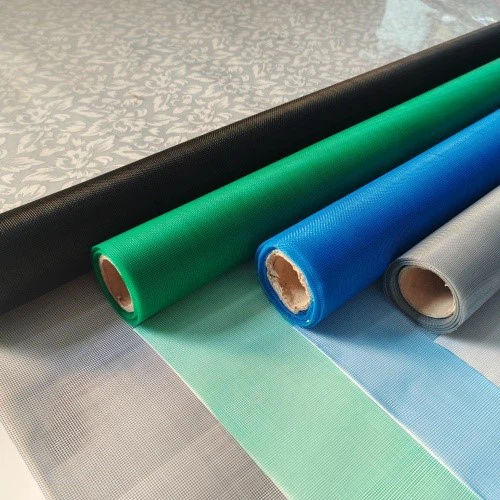
Delivering high-efficiency solutions internationally requires a rigorous quality assurance framework. Every batch of fiberglass mesh, structural aluminum profile, and sealing component undergoes thorough multi-stage testing before dispatch.
Fintrace's testing processes verify tensile limit strength, flame-retardant properties, mesh size uniformity, and UV aging resistance. This systematic verification ensures that whether materials are headed to a construction site in North America, a manufacturing facility in Europe, or a residential development in Southeast Asia, they arrive ready to perform to expectations.
Insights and technical answers for global procurement officers, architects, and industrial developers.
Customized fiberglass screening mesh acts as a passive shading device. By absorbing and reflecting solar radiation, it lowers the solar heat gain coefficient (SHGC) of window openings. This reduces the amount of heat entering the building, allowing air conditioning systems to operate more efficiently and lowering electricity costs.
We provide full customization options for mesh aperture size, tensile strength ratings, yarn thickness, roll widths, and color configurations. We also offer chemical coatings to add flame-retardant properties, enhanced UV resistance, and dust-repellent coatings to meet the needs of specific agricultural or industrial applications.
Fintrace operates automated, computer-controlled weaving systems imported from advanced global manufacturers. This setup maintains precise weaving patterns and consistent tension across every production run. Our quality assurance team tests each batch for weight, break-strength, and weave accuracy to ensure all exports meet global standards.
Yes, our ODM/OEM services include customized packaging solutions. We can print custom branding, barcodes, and multi-language installation guides directly onto packaging boxes, tubes, or shrink-wrap rolls, allowing items to go straight to retail shelves or project sites.
With a daily capacity of 300,000 square meters, standard bulk production runs are usually completed within 15 to 25 days of deposit confirmation. Shipping times vary by destination port, with typical transit periods ranging from 12 days to Asian hubs to 35 days for West Coast US and European ports.
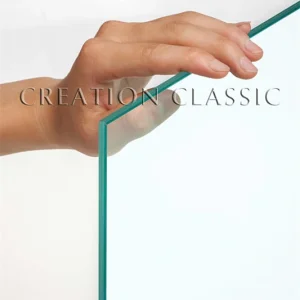
Double-glazed units feature a sealed insulating gap filled with air or noble gases like argon. This gap slows conductive and convective heat transfer. Combined with laminated glass, these units create a strong thermal barrier that helps keep interiors warm in winter and cool in summer, significantly reducing the energy required for climate control.
Explore our complete export catalog, featuring precision-engineered sealing profiles, hardware accessories, and automated process machinery.
 Fintrace Window