Explore our premium range of industrial solutions, custom components, and specialized mesh technology designed for architectural, ecological, and industrial applications globally.
Modern architectural design and environmental engineering demands a sophisticated balance between ventilation, visibility, structural integrity, and low maintenance. Traditional insect and protective screens often serve as traps for airborne organic dust, heavy particulate matter (PM2.5), pollen, and atmospheric oils. Over time, this clogging results in decreased indoor air quality, impaired aesthetics, and accelerated structural deterioration of the screening frame systems due to high moisture entrapment.
To overcome these historical limitations, Easy-Clean Screen Technology represents a paradigm shift. By incorporating nanoscale material modifications, surface tension optimization, and advanced polymer weaving, manufacturers have developed self-cleaning and ultra-low-maintenance screens. These solutions utilize the natural mechanics of wind, gravity, and rain to clear surface particulates automatically. This industry white paper provides a comprehensive analysis of the materials, manufacturing strategies, global logistics, localized adaptation, and procurement standards governing China's top-tier screen exportation landscape.
The core mechanism behind Easy-Clean Screen Technology is the manipulation of the material's contact angle. When looking at screen substrates such as high-grade fiberglass or stainless steel mesh, dust adhesion is driven by electrostatic attraction and capillary forces in humid environments. True easy-clean screens address this through two primary scientific principles:
By applying specialized fluoropolymer or nano-silica coatings, the water contact angle of the mesh fibers is increased beyond 110 degrees. Water droplets form perfect spheres, rolling off the screen and carrying dust particles with them (the "Lotus Effect").
Industrial, urban, and kitchen environments release vaporized grease and oily soot. An oleophobic coating prevents these greasy compounds from cross-linking with the fibers, facilitating easy wipe-downs without aggressive solvents.
Static charges build up on plastic and metal screens due to friction from wind. Incorporating anti-static additives into the outer coating reduces charge buildup, preventing airborne fine dust from adhering in dry climates.
| Substrate Material | Common Coating Types | Dust Adhesion Rate | Optimal Application Scenarios | Tensile Strength |
|---|---|---|---|---|
| Standard Fiberglass Mesh | PVC / Standard Vinyl Coating | High (requires manual scrubbing) | Low-budget residential interior | Moderate (350 N/50mm) |
| Stealth Fiberglass Mesh | Fluoropolymer Nano-coating | Very Low (Self-cleaning by rain) | Premium Residential & Commercial | High (500 N/50mm) |
| 304/316 Stainless Steel | Electrostatic Powder / Epoxy Nano | Low (Wind & Rain washing) | Coastal, security screens, industrial | Extremely High (1200 N/50mm) |
| Chemical Fiber Netting | PU / Hydrophobic Compound | Moderate (Easy wash-down) | Agricultural greenhouses, farm screening | High Elasticity |
Foshan Fintrace Window Co., Ltd. was founded in the mid-1980s and has grown into a professional manufacturer specializing in window screening materials. The company is located in one of China’s major fiberglass product manufacturing bases in Shandong. Covering an area of more than 40,000 square meters, Fintrace has developed into a large-scale production enterprise dedicated to the manufacturing of stealth window screens, fiberglass mesh cloth, and chemical fiber wire netting.
To ensure high product quality and stable production capacity, the company is equipped with multiple sets of precision, fully automated computer-controlled equipment imported from abroad. By adopting internationally advanced finishing and processing technologies, Fintrace has achieved a daily production capacity of up to 300,000 square meters. With strong technical capabilities and modern manufacturing facilities, the company maintains a leading position in the window screen mesh industry.
Fintrace Window Co., Ltd. always adheres to the business philosophy of honesty, quality first, and reasonable pricing. Its products are widely sold in both domestic and international markets and have gained recognition from customers worldwide. In addition to standard products, the company also offers customized processing services based on specific customer requirements. Fintrace sincerely welcomes partners and friends from all industries to visit, communicate, and explore long-term cooperation opportunities.
By blending historical manufacturing expertise dating back to the mid-1980s with state-of-the-art chemical engineering, Fintrace consistently provides superior, long-lasting screening solutions. The combination of dynamic custom fabrication (OEM/ODM) and rigorous quality assurance allows global distributors to fulfill complex commercial contracts confidently.
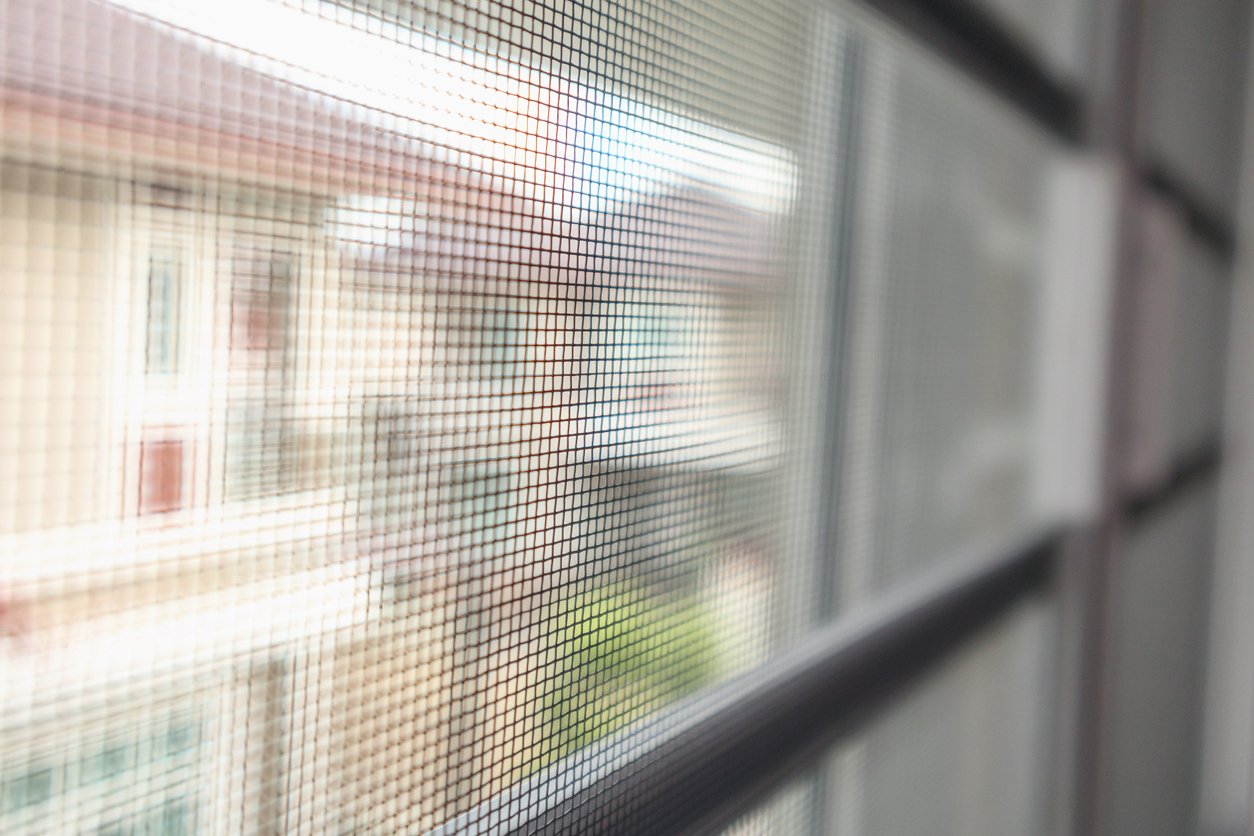
Figure 1: Automated industrial weaving and finishing lines at Foshan Fintrace Window Co., Ltd.
The global dominance of Chinese manufacturers in the easy-clean screen sector is not simply due to scale, but rather the result of deeply integrated regional industrial ecosystems.
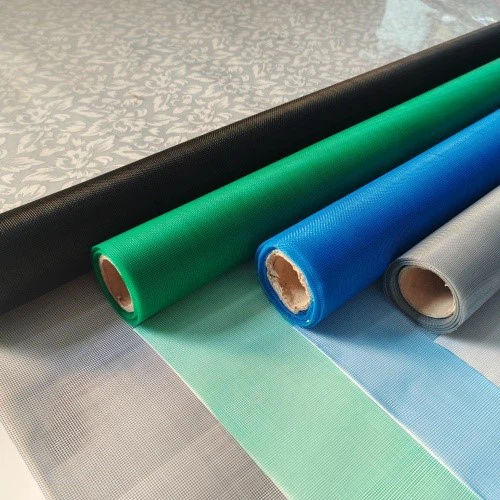
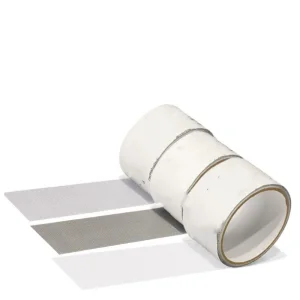
Figure 2: Packaged high-capacity screen rolls ready for global shipment and customs clearance.
Shandong and Foshan are global centers for glass fiber and aluminum metallurgy. By establishing production facilities in these core areas, Fintrace has direct access to high-purity E-glass filaments and heavy-gauge wire rods. This proximity cuts internal transportation costs, reduces raw material storage overhead, and insulates international buyers from volatile commodity price spikes.
By employing foreign computer-controlled weaving looms and high-speed precision drawing machines, Chinese factories maintain strict consistency in aperture size (warp and weft alignment). This automated environment guarantees that our daily production capacity of 300,000 square meters meets uniform tension and strength standards, preventing defects like mesh slippage and uneven wire spacing.
Proximity to key logistical hubs such as Qingdao and Guangzhou enables container consolidation, custom container packing, and streamlined export clearances. Integrated logistical networks reduce transit times to European, North American, and Southeast Asian hubs, offering competitive shipping rates and end-to-end container tracking.
Modern procurement departments at window manufacturing companies, architectural firms, and regional distributors look beyond standard cost considerations. In today's market, purchasing decisions are guided by specific parameters designed to guarantee long-term performance and compliance:
Exposure to intense sunlight degrades low-grade PVC coatings, leading to chalking and brittle breakage. Global buyers require window screen materials that withstand accelerated weathering tests, retaining tensile strength and color uniformity even after years of UV exposure.
For commercial structures, building codes mandate flame-resistant screen materials. Solutions must carry recognized fire ratings, such as VW-1, to ensure they do not support combustion, nor release highly toxic fumes if exposed to fire.
Energy-efficient buildings rely on passive ventilation. An easy-clean screen must provide high open-area percentages, ensuring that dust-repellent coatings do not compromise airflow or restrict natural ventilation.
To address these requirements, Fintrace conducts continuous quality checks throughout the production process. From yarn tension tests to coating curing assessments, every square meter of our stealth screens is checked to ensure it meets strict performance thresholds before leaving our facility.
Architectural screens operate under highly diverse environmental conditions. Selecting the appropriate mesh and coating configuration is critical to ensuring optimal lifetime performance.
In highly populated areas, automotive exhaust and airborne carbon soot quickly coat standard building screens. Installing anti-static, oleophobic easy-clean screens prevents sticky soot from bonding to the mesh, allowing rain to keep the screen clean and maintain airflow.
Coastal properties deal with windborne sea salt, which corrodes standard screens and creates a crust that blocks ventilation. Combining high-durability 316 stainless steel mesh with hydrophobic coatings prevents salt buildup and resists corrosion.
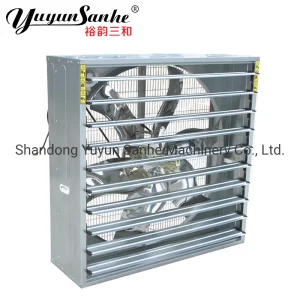
Large-scale poultry farms and greenhouses require continuous high-volume ventilation and reliable insect protection. High-strength screens and large exhaust fan setups prevent dust and feathers from clogging the mesh, ensuring constant airflow and biosecurity.
Exporting to European, North American, and Asian markets requires strict compliance with international chemical safety and mechanical performance regulations. Fintrace prioritizes material testing to ensure trouble-free importation for our partners:
Technical details, operational lifetimes, and ordering policies for Fintrace screen products.
Explore our additional architectural materials, soundproofing boards, heavy-duty screening components, and hardware accessories to complete your project requirements.
 Fintrace Window