Explore our elite collection of engineered materials designed to seal, filter, and protect structural infrastructure against extreme particulate contamination.
An In-Depth Engineering Analysis of Micro-Mesh and Seal Barriers in Industrial & Residential Construction
In the contemporary industrial landscape, particulate matter control has transitioned from a basic comfort issue to a critical parameter in structural integrity, electronic longevity, and public health. Atmospheric dust—composed of inorganic geological particulates, organic fibers, and heavy metal soot—exerts severe abrasive stress and corrosive action on interior interfaces. To prevent early component degradation and ensure optimal interior air quality, engineering structures must adopt integrated dust-resistant features at the core of their design paradigm.
A primary defense layer is the micro-mesh structural barrier. By utilizing precisely woven fiberglass, polymeric meshes, and engineered gaskets, modern structures can filter micro-particulates without restricting essential thermodynamic air circulation. These materials are systematically engineered to withstand high wind pressure, UV-induced oxidation, and localized humidity changes, forming a robust barrier that isolates internal structures from particulate stress.
Understanding the engineering mechanics behind high-efficiency physical barriers.
Unlike standard mesh, advanced dust-resistant features rely on micro-weave patterns. Utilizing fine fiberglass yarn and advanced synthetic polymers, the aperture sizes are tightly calibrated to block pollen, industrial soot, and micro-particles. This precise configuration prevents particulate entry while ensuring optimized cross-ventilation, avoiding structural pressure drops inside mechanical rooms.
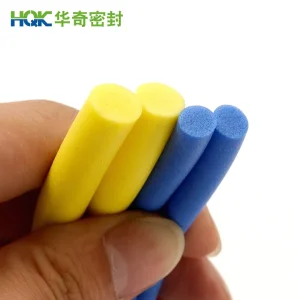
In dust-proof installations (such as bridge expansion joints and control cabinets), structural seals use elastomeric foam compound formulations (e.g., EPDM, silicone, and chloroprene). These compounds maintain dynamic recovery and elasticity under cyclic loads, sealing gaps against fine silica dust and moisture ingress, satisfying IP65/IP66 compliance standards.
Dust barriers must endure harsh environmental stressors, including intense UV exposure, corrosive acid rain, and sub-zero temperatures. High-tensile fiberglass mesh fabrics are coated with protective PVC and weather-stable compounds. This coating shields the structural core from physical tearing, acid corrosion, and long-term thermal breakdown.
Foshan Fintrace Window Co., Ltd. - Leading the Evolution of Industrial Screen and Dust Protection Technology
Founded in the mid-1980s, Foshan Fintrace Window Co., Ltd. has evolved from a regional screen supplier into a global manufacturing enterprise specializing in high-performance window screening and dust-resistant structural materials. Strategically based in Shandong—one of China's premier fiberglass manufacturing hubs—our production infrastructure spans over 40,000 square meters of highly automated facilities.
To maintain high product consistency and high volume output, our plants feature advanced, computer-controlled extrusion and weaving machinery imported from international market leaders. By incorporating advanced thermal finishing, polymer coating, and precise quality-assurance controls, we produce up to 300,000 square meters daily. This vast capacity enables Fintrace to efficiently supply global industrial construction projects, commercial developments, and large-scale OEM supply lines.
Fintrace operates on a core philosophy of honesty, quality first, and competitive pricing. We support global clients through standard catalog shipments and bespoke custom fabrication—tailoring mesh configurations, dimensions, and polymer properties to meet precise environmental demands.

Optimizing costs, material access, and production lead times through vertical integration.
Sourcing dust-resistant window screening and structural sealing systems from China offers distinct supply chain advantages. The clustering of raw material suppliers, chemical processors, and advanced logistics hubs in Shandong and Guangdong ensures consistent access to raw polymers, fiberglass rovings, and specialized additives. This vertical industry concentration reduces internal transport lead times and insulates production costs from global supply fluctuations.
Moreover, Chinese manufacturing centers feature high concentrations of specialized engineering talent. This expertise enables factories to rapidly prototype custom designs, adapt to updated international testing regimes, and continuously refine machinery performance. For global procurement officers, this translates to faster turnaround times, consistent quality, and lower total cost of ownership (TCO) compared to regional sourcing models.
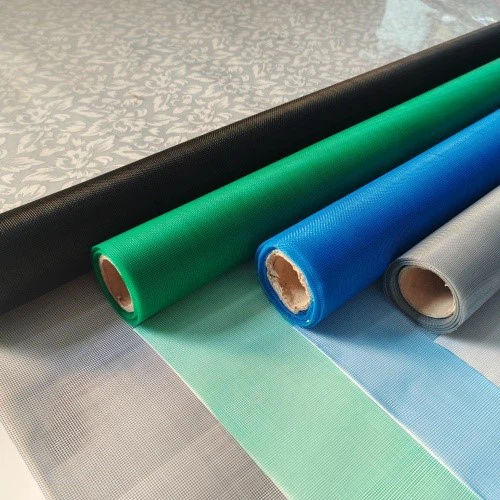
At Fintrace, quality control begins at the polymer blending phase and extends to final tensile testing. Automated sensors monitor warp and weft tension across all weaving looms, ensuring zero-defect uniformity across the 300,000 square meter daily run. Our custom processing options include specialized anti-static finishes, custom widths up to 3.2 meters, and flame-retardant coatings certified to UL94 and international building code standards.
How distinct climates and industries demand tailored dust protection architectures.
Arid desert regions face constant airborne particulate friction and fine dust storms. Structures require dual-barrier defenses, including outer high-density fiberglass mesh to capture coarse sand, coupled with internal polyurethane seal profiles. These components prevent abrasive dust from entering mechanical HVAC systems, protecting critical internal electronics.
Coastal and marine environments combine airborne salt particles, moisture, and dust into highly corrosive mixtures. In these settings, bridge expansion joints and utility access paths utilize anti-collision dust-proof silicone foam strips. These seals compress to block salt-laden dust while absorbing structural movement, preventing steel corrosion.
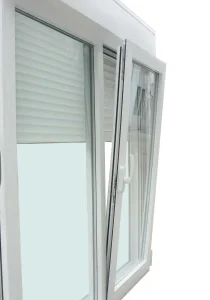
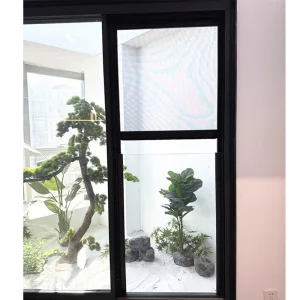
Modern cities suffer from diesel particulate matter (DPM) and pollen. Residential towers utilize monoblock window systems combined with electrostatic roller screen systems. These screens act as passive filters, allowing clean air to ventilate apartments while blocking fine soot and insect vectors.
Technical answers regarding material properties, standards, and global purchasing protocols.
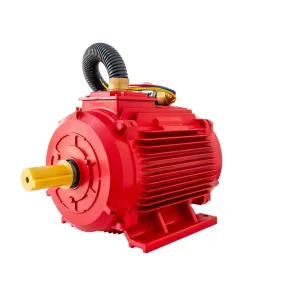
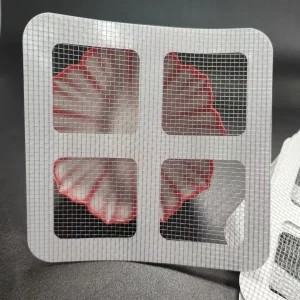
A comprehensive range of high-temperature motors, safety gratings, touch screens, and structural repair components for global industrial integration.
 Fintrace Window