Direct from verified global manufacturing pipelines configured for specialized OEM/ODM procurement lines.
Analyzing the shift from high-volume standardized production to intelligent, high-mix, low-volume (HMLV) micro-customization pipelines.
In the modern B2B sourcing environment, customization has ceased to be a premium value-add; instead, it has transformed into a baseline market entry requirement. Global enterprises are demanding high levels of functional and aesthetic specification to align sourced materials directly with localized regulatory regimes, environmental conditions, and customer experience profiles. Driven by algorithmic personalization, traditional long-tail warehousing is giving way to real-time custom product architecture.
This structural transformation demands that modern manufacturing plants abandon legacy rigid production lines. In their place, plants are deploying modular assemblies, cyber-physical networks (CPN), and real-time digital configuration interfaces. This allows sourcing groups to customize core mechanical tolerances, material compositions, and packaging configurations without initiating significant retooling costs or excessive lead-time penalties.

"Strategic competitiveness in global procurement is no longer defined strictly by unit cost minimization. True optimization resides at the intersection of production flexibility, verified material properties, and supply chain responsiveness. Factories operating under legacy static models are facing rapid obsolescence as demand curves fragment into micro-segments."
Emerging technology pipelines facilitating customized, high-precision industrial outputs without capital-intensive retooling.
Deploying advanced CAD/CAM processing models integrated directly with manufacturing execution systems (MES). Design specifications undergo real-time simulation under realistic stress parameters (e.g., wind loads on window screens, tensile capacity on wire lines, chemical degradation curves for PET) before physical materials hit the tooling deck.
Utilizing high-speed laser positioning systems, robotic cutting structures, and custom molding lines to allow quick changeovers. This technology limits setup times, eliminating the historical need for thousand-unit minimum orders just to justify custom industrial configurations.
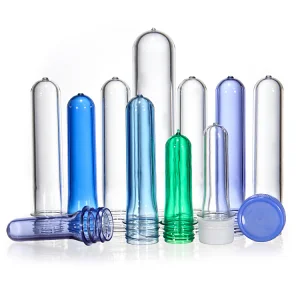
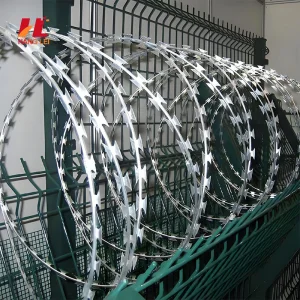
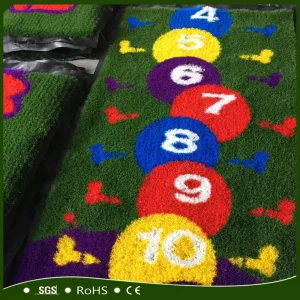
Innovating at the molecular level. Customization trends highlight specialized surface enhancements: UV-blocking, fire-resistant coatings for synthetic playground turf, scratch-resistant slickness additives for PET resins, and anti-corrosive zinc plating for barbed perimeter wire.
Operational Excellence & Precision Weaving Infrastructure Since the Mid-1980s.
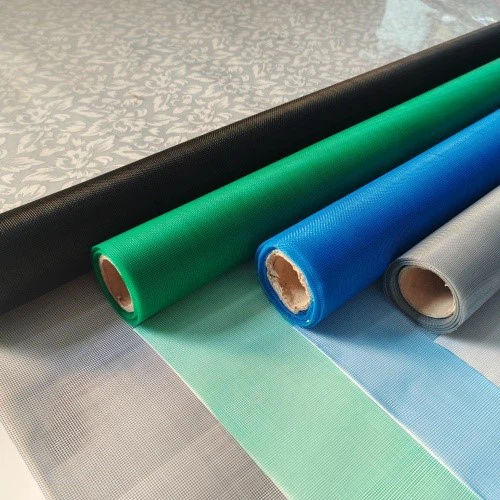
Established during the formative era of modern industrial supply networks in the mid-1980s, Foshan Fintrace Window Co., Ltd. stands as a benchmark of scale, capability, and quality consistency in China's specialized window screening and filtration sectors. Situated in Shandong, one of China's most prominent fiberglass and polymer manufacturing clusters, the factory covers a vast structural footprint exceeding 40,000 square meters.
The company has focused its technical capabilities on engineering solutions for stealth window screens, fiberglass mesh cloth, and high-performance chemical fiber wire netting. By operating at the intersection of traditional weaving reliability and contemporary material science, Fintrace satisfies both standard wholesale orders and customized, project-specific requests.
To sustain consistent mechanical properties across massive production batches, Fintrace operates multiple computer-controlled automated weaving systems imported from key technology partners globally. These advanced systems optimize tension curves, control aperture sizes, and apply protective coatings with high precision. These operational upgrades yield a massive daily production capacity of up to 300,000 square meters of mesh material.
This high-volume production profile is paired with strict adherence to global compliance standards, making Fintrace a vital partner for OEM distributors and construction contractors in the EU, North America, and Southeast Asia. The company's core philosophy emphasizes honesty, quality verification, and transparent price structures. This focus on reliability ensures long-term partnerships in an industrial landscape often plagued by shifting material standards and supply chain delays.
Understanding the infrastructural cluster dynamics that allow Chinese factories to deliver rapid prototypes and low tooling costs.
Unlike fragmented production regions, Chinese industrial hubs gather upstream petrochemical plants, wire-drawing facilities, and zinc smelters in close geographic proximity. This clustering ensures direct access to raw materials like high-grade PET resins, borosilicate glass, raw rubber compounds, and structural steel wire. Close proximity minimizes material transit times and mitigates the risk of price volatility.
By implementing Manufacturing Execution Systems (MES) and automated material handling, factories like Fintrace minimize manual errors. Modern computer-controlled looms adjust mesh density and warp/weft tension on the fly. This level of control reduces scrap rates, shortens lead times, and allows manufacturers to offer competitive price points.
Proximity to deepwater ports like Qingdao, Shanghai, and Shenzhen simplifies international logistics. Efficient freight consolidation networks, on-site customs clearance support, and optimized intermodal shipping connections allow manufacturers to offer reliable FOB, CIF, or DDP delivery terms. This helps keep global logistics costs and container transit times predictable.
Securing cross-border shipments by aligning factory output with local regulatory frameworks and environmental safety standards.
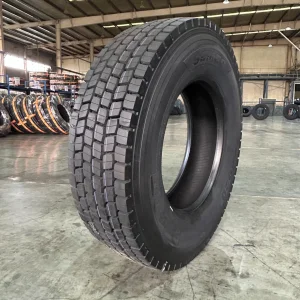
Global procurement managers face complex compliance challenges. Shipments can be delayed at customs or fail site audits if materials do not meet local regulatory standards. Working with a manufacturer that understands regional compliance is critical. For example, high-durability truck and bus radial tires must carry clear DOT, ECE, and CCC stamps. Similarly, child playground turf must adhere to strict fire-retardant limits and EN71 toxicity standards.
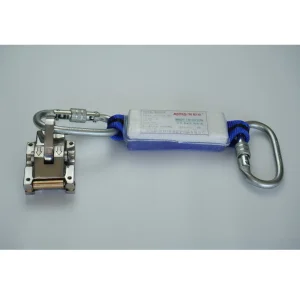
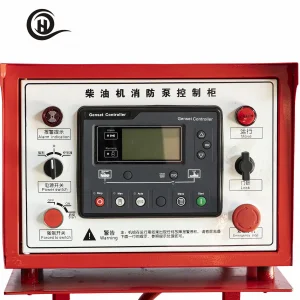
For industrial installations, structural components must meet specific performance standards. Safety equipment, such as retractable fall arresters, must carry EN 360 certification. Fire fighting pumps need to comply with NFPA 20 or UL/FM standards to remain viable in municipal bids. Our manufacturing partners maintain rigorous testing regimes to verify tensile strengths, material purity, and performance metrics. This ensures trouble-free deployment in target markets.
Essential Verification Checklists for Modern Procurement:
Expert answers addressing lead times, customizations, testing standards, and logistics for enterprise sourcing managers.
Explore our extended range of certified materials designed for demanding commercial and safety applications.

 Fintrace Window