Window screens play a crucial role in maintaining optimal home performance. They enhance airflow while keeping pests out. Homeowners often wonder, "How long do window screens normally last?" The answer can vary based on several factors including the material used, weather conditions, and maintenance practices.
Typically, window screens can last anywhere from five to ten years. However, wear and tear can lead to issues sooner. Exposure to harsh weather conditions can deteriorate screens more quickly. Regular maintenance can extend their lifespan. Yet, ignoring small damages may lead to bigger problems.
Some owners might overlook important details when assessing their screens. A small tear can invite pests or reduce energy efficiency. Reflecting on this can inspire better care for your home's window screens. By understanding their lifespan, you can make informed decisions. Remember, well-maintained screens contribute positively to your home's functionality.
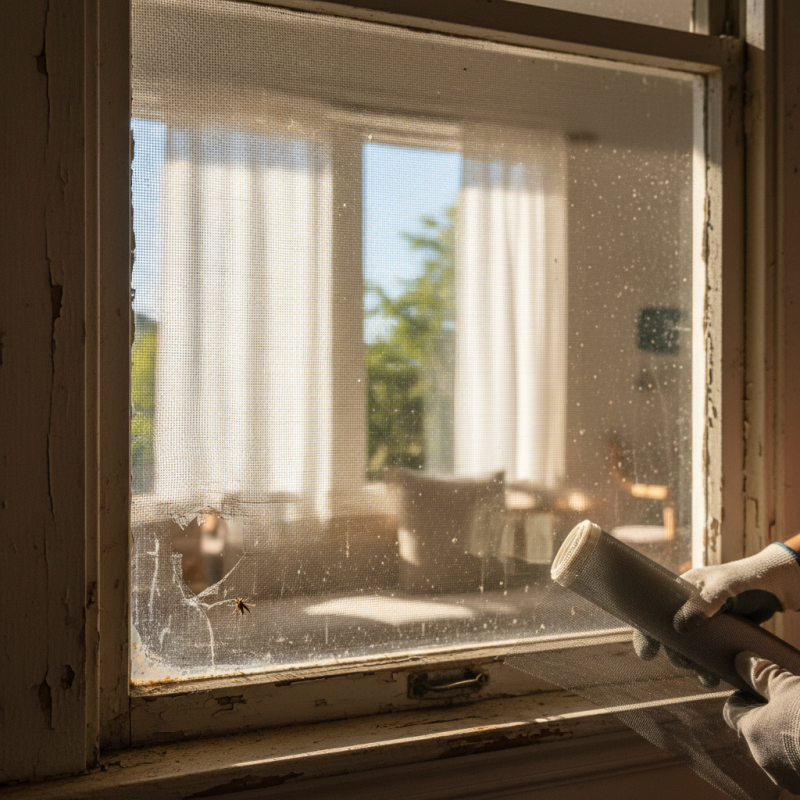
When discussing the lifespan of window screens, several factors come into play. One major influence is the material used. Screens made from aluminum or fiberglass tend to last longer than polyester. Yet, environmental factors can wear them down. Sunlight, rain, and temperature changes can lead to fading or brittleness. Regular maintenance helps extend their life. Cleaning screens periodically removes dirt and debris that can trap moisture and cause corrosion.
Wear and tear is another aspect to consider. Pets and children may damage screens with scratches or rips. Even minor tears can lead to bigger issues. Prompt repairs can prevent these problems from worsening. Additionally, the installation method plays a role. Properly fitted screens are less susceptible to wind damage. A poorly installed screen might detach more easily, leading to further repairs or replacements.
In some cases, homeowners might overlook minor issues. Small holes can compromise air quality and energy efficiency. If not addressed, they often lead to heat loss or increased energy bills. Awareness of these factors helps homeowners ensure their screens perform at their best. Regularly inspecting the screens is crucial for maintaining their functionality and prolonging their lifespan.
This chart illustrates the estimated lifespan of window screens based on various factors such as materials, weather conditions, and maintenance practices.
Window screens play an essential role in maintaining indoor air quality and comfort. Various types of window screens offer different levels of durability. Fiberglass screens are a popular choice. They typically last about 7 to 10 years with regular maintenance. They resist rust and corrosion, but exposure to harsh sunlight can weaken them over time.
Aluminum screens are another common option. They can last up to 20 years, making them more durable than fiberglass. However, they are prone to dents and may corrode in coastal areas with salty air. A recent report by the Window and Door Manufacturers Association indicates that homeowners often underestimate the longevity of their screens. Regular inspections can help identify potential issues that could shorten lifespan.
Specialized solar screens are becoming more prevalent due to their energy-saving benefits. These screens not only block UV rays but can also last around 10 to 12 years if properly cared for. Yet, many homeowners overlook maintenance. Even small tears can reduce effectiveness. Regularly checking for damage is crucial to ensure optimal home performance. Experts recommend cleaning screens at least twice a year to prolong their lifespan.
Window screens play a crucial role in maintaining an optimal home environment. Over time, these screens can show signs of wear and tear. If you notice holes, tears, or significant discoloration, it may be time to replace them. Small tears can quickly grow larger, allowing bugs to enter your home and compromising indoor air quality.
Another sign is reduced airflow. If your screens feel blocked or dirty, they might be limiting the fresh air you need. Cleaning might help temporarily, but permanent damage could exist. Frayed edges or corroded frames also indicate that a replacement is necessary. Aging screens can diminish your home’s energy efficiency and increase utility costs.
Lastly, assess how often you've repaired your screens. Frequent patches could mean they’re past their lifespan. While repairs might seem like a quick fix, they are often short-term solutions. A new screen ensures better functionality and appearance, ultimately supporting your home’s performance.
Window screens play a vital role in maintaining home efficiency. Regular maintenance can significantly extend their lifespan. According to the Window and Door Manufacturers Association, well-maintained screens can last over a decade. However, neglect can lead to damage, reducing their effectiveness in pest control and airflow.
To keep window screens in optimal condition, remember these tips. First, clean them regularly with mild soap and water. This prevents dirt buildup, which can obscure visibility. Second, check for tears or holes frequently. Even small damages can allow insects to enter. Repairing screen issues promptly can save you from more significant problems later.
Another essential maintenance practice involves seasonal checks. After winter, inspect your screens for wear and tear caused by harsh weather. Replace them if necessary. Investing a bit of time each season can enhance their performance. Even small adjustments, like ensuring a snug fit, can make a difference. Keep your home comfortable and energy-efficient with proper care for your window screens.
| Screen Type | Average Lifespan (Years) | Maintenance Tips |
|---|---|---|
| Fiberglass | 5-7 | Clean regularly with mild soap and soft brush; avoid harsh chemicals. |
| Aluminum | 7-10 | Inspect for dents and tears; repaint as needed to prevent rust. |
| Solar | 10-15 | Keep dust-free and check for UV damage; replace if colors fade significantly. |
| Pet Screens | 5-10 | Check for tears regularly; repair promptly to maintain efficacy. |
| Retractable Screens | 5-7 | Ensure proper roll-up and down; clean tracks to avoid jams. |
The quality of window screens can significantly impact home performance. High-quality screens allow for better airflow while keeping pests outside. This balance enhances indoor comfort. Poorly constructed screens can block airflow and trap heat, leading to inefficient energy use.
Investing in quality materials leads to longer-lasting screens. Generally, metal frames are more durable than plastic ones. Screens with UV protection prevent fading in your home, extending the life of your furniture and decor. Without proper protection, screens can deteriorate faster under intense sunlight.
Homeowners often overlook the importance of regular maintenance. A small tear can quickly expand, compromising air quality. Periodic cleaning helps maintain screen clarity. A dirty screen can reduce airflow, causing energy inefficiency. Reflecting on these points can guide you to make better choices for home performance.
: Material, environmental exposure, and maintenance play major roles in lifespan.
Aluminum and fiberglass last longer than polyester. Sunlight weakens screens over time.
Cleaning screens removes dirt and debris, reducing moisture and corrosion risks.
Scratches and rips from pets or kids can worsen minor damages quickly.
Properly fitted screens withstand wind better, minimizing repairs and replacements.
They can lead to heat loss and increased energy costs if left untreated.
Fiberglass screens typically last 7 to 10 years with regular upkeep.
They block UV rays and can last 10 to 12 years if properly maintained.
High-quality screens improve airflow and keep pests out, enhancing indoor comfort.
Regular checks help identify damage early, preventing bigger issues later.
When considering the question of "How long do window screens normally last," several factors play a critical role in determining their lifespan. These factors include the material composition of the screens, environmental conditions, and the frequency of use. Common types of window screens, such as fiberglass and aluminum, vary in durability, affecting how well they withstand wear and tear over time. Homeowners should be vigilant for signs indicating that screens need replacement, such as visible holes, sagging, or difficulty in fitting securely within the window frame.
To maximize the lifespan of window screens, regular maintenance is essential. This includes cleaning screens periodically to remove dirt and debris and inspecting frames for any signs of damage. Additionally, understanding the impact of window screen quality on overall home performance can help homeowners make informed decisions that enhance energy efficiency and indoor comfort. By effectively managing these aspects, homeowners can ensure their window screens serve their purpose effectively for years to come.

Fintrace Window