When dealing with home maintenance, many homeowners ask, "Why is my window screen not fitting well?" This question points to potential issues that can disrupt comfort and efficiency. A poorly fitted window screen can let in bugs, dust, and allergens, compromising your living space.
There are several reasons this might happen. Sometimes, a screen may be the wrong size due to improper measurements. Other times, wear and tear can warp the frame or material, leading to gaps. Such issues can create a frustrating experience for homeowners trying to keep their homes comfortable and protected.
Understanding these problems is essential. It can prevent you from making costly mistakes during repairs. Therefore, examining your window screen's fit may require patience and attention. The right approach can help ensure your screen works effectively, safeguarding your home from outside elements.
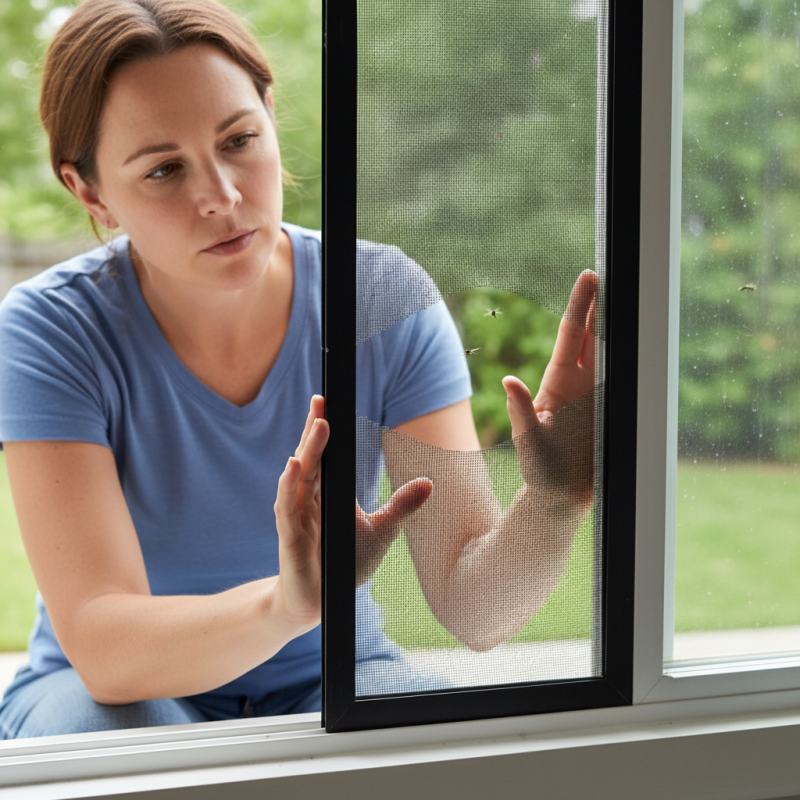
Improperly fitting window screens can be frustrating. Several factors contribute to this common issue. One primary reason is incorrect measurements. Many homeowners underestimate or overestimate the dimensions of their windows. According to industry reports, about 30% of DIY screen installations fail due to measurement errors. Ensuring accurate measurements is crucial for a proper fit.
Another factor to consider is the type of window frame. Different styles can lead to discrepancies. For instance, traditional wood frames may expand or contract, affecting screen tension. A study highlighted that around 25% of screens fail to fit perfectly because of frame materials that shift with weather changes. It's essential to account for these variations during installation.
Finally, wear and tear over time can significantly impact screen fitting. Screens may become warped or bent, especially after years of exposure to the elements. Research indicates that nearly 40% of screen issues arise from deterioration. Regular maintenance can help prevent these problems, yet many overlook it. Reflecting on these details can improve your screen fitting experience.
| Reason | Description | Solution |
|---|---|---|
| Incorrect Dimensions | The screen may be cut to the wrong size, preventing it from fitting properly in the window frame. | Measure the window frame and compare it to the screen dimensions. Adjust or replace the screen as necessary. |
| Warped Frame | The window frame might be warped, making it difficult for the screen to fit snugly. | Inspect the frame for warping and consider repairing or replacing the frame if needed. |
| Improper Installation | The screen may not be installed correctly, leading to gaps and poor fitting. | Review the installation instructions and re-install the screen to ensure a proper fit. |
| Debris or Obstructions | Dirt, debris, or other obstructions in the window frame may prevent the screen from sitting properly. | Clean the window frame thoroughly to remove any obstructions that may affect the screen fit. |
| Damaged Screen | A damaged screen can lose its shape, making it difficult to fit it into the window frame. | Inspect for damages and consider repairing or replacing the screen if it's not holding its shape. |
: Incorrect measurements, frame type, and wear and tear can all cause improper fitting.
About 30% of DIY installations fail due to underestimating or overestimating measurements.
Yes, temperature and humidity can cause materials to expand or contract, affecting the fit.
Regular checks can prevent wear and tear, improving screen efficiency by up to 15%.
Frames expand in heat and contract in cold, which may create gaps or loose fits.
Mild soap solutions work best, avoiding harsh chemicals that may damage materials.
Inspect for damage and make repairs quickly to maintain their shape and efficiency.
Seasonal temperature fluctuations can warp frames, leading to an improper fit over time.
Consider environmental conditions before installation, as humidity can cause tight fits.
Always double-check your measurements before purchasing a screen for the best fit.
If you're wondering, "Why is my window screen not fitting well?" there are several common issues to consider. Firstly, improper screen fitting can often be attributed to incorrect measurements during installation. It's essential to understand the specifications and dimensions of your window frame to ensure a proper fit. Additionally, the type of screen material used can significantly impact performance and how well the screen aligns with the window frame.
Environmental factors such as temperature fluctuations and humidity can also affect window screen installation, leading to warping or misalignment over time. To maintain a proper screen fit, regular maintenance is crucial. This includes checking for any signs of wear and promptly addressing issues. By being proactive about installation and upkeep, you can ensure that your window screens fit perfectly and function optimally.

 Fintrace Window