When considering window screens, many consumers ponder, "Why are some window screens more expensive?" The market offers a wide range of prices, which can bewilder buyers. Price variations stem from multiple factors, including material quality, durability, design, and functionality.
Higher-end screens often feature materials like stainless steel or high-grade aluminum. These screens resist rust and corrosion better than basic fiberglass options. Additionally, premium screens may come with special coatings that enhance visibility or UV protection. This attention to detail often justifies the higher price tag.
Another factor is installation and design. Custom-fit screens that require professional installation usually cost more than standard models. Brands focusing on user experience often charge higher prices, emphasizing ease of use and longevity. Reflecting on these aspects can help consumers make informed decisions. Understanding the underlying reasons for price differences can enhance purchasing choices, ensuring value for money.
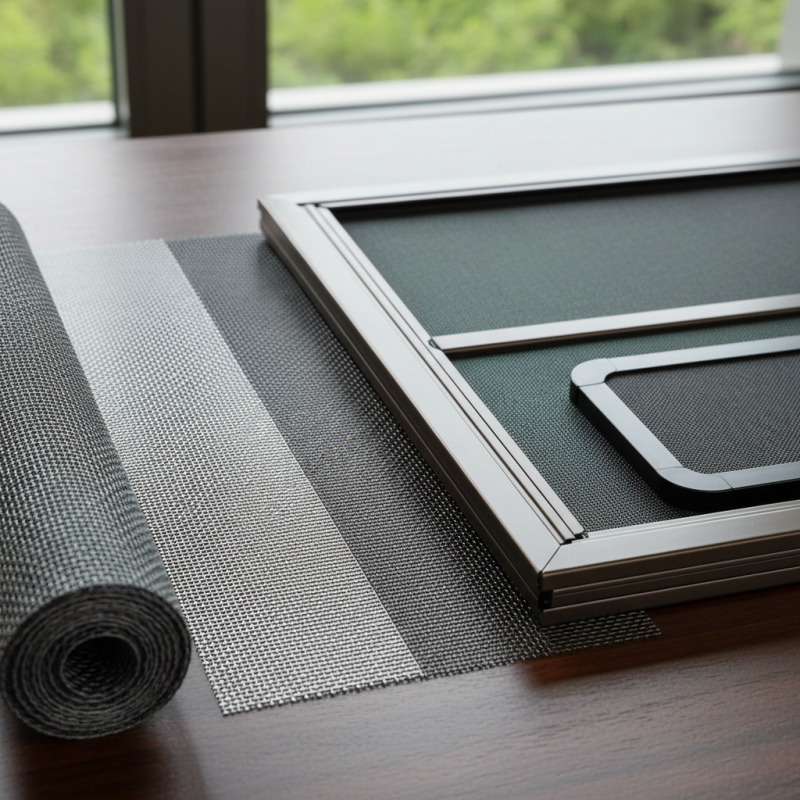
Factors Influencing Window Screen Pricing
Window screens vary significantly in price due to several key factors. Material quality plays a crucial role. For instance, fiberglass screens are usually cheaper compared to aluminum or stainless steel variants. According to industry reports, stainless steel screens can cost up to 50% more due to their durability and resistance to corrosion. This makes them ideal for coastal areas.
Another influencing factor is the screen's mesh type. A tighter mesh often provides better insect protection. This can lead to higher costs due to more meticulous manufacturing processes. A recent survey indicated that consumers often prefer 20x20 mesh over 18x16 for pest control, impacting overall pricing strategies within the market.
Tip: When selecting window screens, consider your environment. A sturdy option might save costs over time by reducing replacements.
Additionally,
installation methods affect pricing. Custom-fit screens, which require professional installation, can be costlier than standard sizes. Data shows that more consumers are willing to invest in professional installation for the perfect fit, which often results in longer product life.
Tip: Measure your windows carefully to ensure you find the best sizing option, saving on potential installation costs.
Materials Used in Window Screen Manufacturing
When it comes to window screens, the materials used play a pivotal role in determining cost. Various options available can influence both effectiveness and durability. Fiberglass is a common choice for many manufacturers. It is lightweight and inexpensive, making it accessible. However, it may lack the longevity of other materials. Over time, fiberglass screens can sag or tear, particularly in areas with high UV exposure.
Image Placeholder
Aluminum screens offer a more robust alternative. They resist tearing and are less likely to bow during installation. This attribute can justify a higher price point. Still, they may corrode in humid climates. Homeowners must evaluate their environment and needs before settling on a material. Additionally, there are specialized screens, like those with solar control properties. These can significantly enhance energy efficiency, even if they come at a premium.
Manufacturers often experiment with blends and coatings to improve performance. However, these advancements can lead to higher costs without always proving their worth. This uncertainty requires careful consideration. Consumers should weigh the benefits of enhanced durability against their budget. Ultimately, the choice of material directly influences long-term satisfaction and maintenance needs.
Design Features That Impact Screen Costs
When choosing window screens, various design features influence their costs. One primary factor is the material used. Screens can be made from fiberglass, aluminum, or polyester. Fiberglass screens tend to be more affordable, while aluminum screens offer durability and a modern look, impacting pricing significantly. Polyester is often more resistant to tearing but can come at a higher cost.
Another key feature to consider is the screen's mesh size. Tighter mesh blocks more insects while allowing less airflow. This can enhance comfort in your home but may increase expenses. Screens designed for specific climates might include added attributes, like UV protection. These additional coatings or treatments can add to the price, reflecting their specialized purpose.
Moreover, aesthetic designs play a central role. Some screens offer custom colors or patterns, appealing to those who want a unique look for their home. These personalized options generally demand a higher price due to the complexities of production. The combination of functionality, material choices, and aesthetics ultimately determines the cost of window screens, illustrating that higher prices can sometimes reflect improved quality or thoughtful design.
Why Are Some Window Screens More Expensive Than Others?
This chart illustrates the average costs of different types of window screens per square foot. As seen, the cost varies based on the materials and design features, influencing the overall pricing of window screens.
Installation and Maintenance Considerations
When choosing window screens, installation and maintenance play crucial roles in their overall cost. Many screens require specific installation techniques. Some designs are more intricate, leading to higher labor costs. The type of material used can also influence the installation process. For instance, heavier screens might need additional support during installation. This can make the initial setup more complicated and time-consuming.
Maintenance requirements differ significantly between types of window screens. Some materials resist dirt and moisture better than others. This can affect how often they need cleaning and replacement. Screens that require frequent upkeep may become costlier over time. Homeowners often overlook this aspect, focusing primarily on upfront costs. It’s important to consider long-term maintenance when evaluating what to invest in. With proper care, some screens could last longer and prove more economical. However, less durable options might demand more replacements, leading to higher expenses in the long run.
Brand Reputation and Market Positioning in Screens
When evaluating window screens, brand reputation plays a crucial role in pricing. High-end manufacturers invest heavily in research and development. This commitment leads to better materials and enhanced durability. According to industry reports, premium window screens can last up to 50% longer than their less expensive counterparts. These screens are often made with advanced materials that resist wear and tear.
Market positioning also affects pricing strategies. Brands that focus on eco-friendly materials or customizable options often command higher prices. A 2022 study revealed that 62% of consumers prefer products supporting sustainability. This demand has pushed brands to innovate while keeping costs competitive. However, some consumers may feel price evaluations are subjective.
Cost does not always directly reflect quality. Some emerging brands offer comparable features at lower prices. This can cause confusion among buyers. They might question whether they are sacrificing quality. Identifying true value requires research. Understanding a brand's reputation, warranty policies, and customer reviews can help in making informed decisions.
Why Are Some Window Screens More Expensive Than Others?
| Screen Type |
Material |
Price Range (USD) |
Durability (Years) |
Market Position |
| Fiberglass Screen |
Fiberglass |
15 - 25 |
5 |
Mid-Range |
| Aluminum Screen |
Aluminum |
20 - 40 |
10 |
High-End |
| Solar Screen |
Textilene Fabric |
30 - 50 |
7 |
Premium |
| Retractable Screen |
Polyester |
100 - 200 |
15 |
Luxury |
| Pet Screen |
Heavy Duty Polyester |
25 - 45 |
10 |
Mid-Range |
Conclusion
When considering "Why are some window screens more expensive than others?", several key factors come into play. The pricing of window screens is significantly influenced by the materials used in their manufacturing, with high-quality materials offering better durability and performance often leading to higher costs. Additionally, design features such as increased strength, aesthetics, and special functionalities can add to the overall expense.
Installation and maintenance considerations also affect the price; screens that are easier to install or require less upkeep may be valued higher due to convenience. Furthermore, the brand reputation and market positioning can play a crucial role, as established brands may charge a premium based on perceived quality and reliability. All these factors combined help explain the variation in window screen pricing across different products.

 Fintrace Window