When it comes to maintaining a comfortable living space, one common challenge is pests entering through window screens. Understanding how to stop bugs from coming through window screens is essential for homeowners. Many people overlook the importance of these barriers.
Window screens can wear down over time, developing small tears or gaps. Even minor damage makes it easy for insects to invade. Homeowners must inspect their screens regularly, but this is often neglected. Simple fixes like patching or replacing screens can be overlooked when life gets busy.
For those who struggle with this issue, exploring additional preventative measures may offer solutions. Using bug repellent sprays or natural deterrents can also help. While these methods do not guarantee complete protection, they can significantly reduce pest problems. Reflecting on your approach might reveal overlooked opportunities for improvement. Taking proactive steps can ensure a more bug-free home environment.
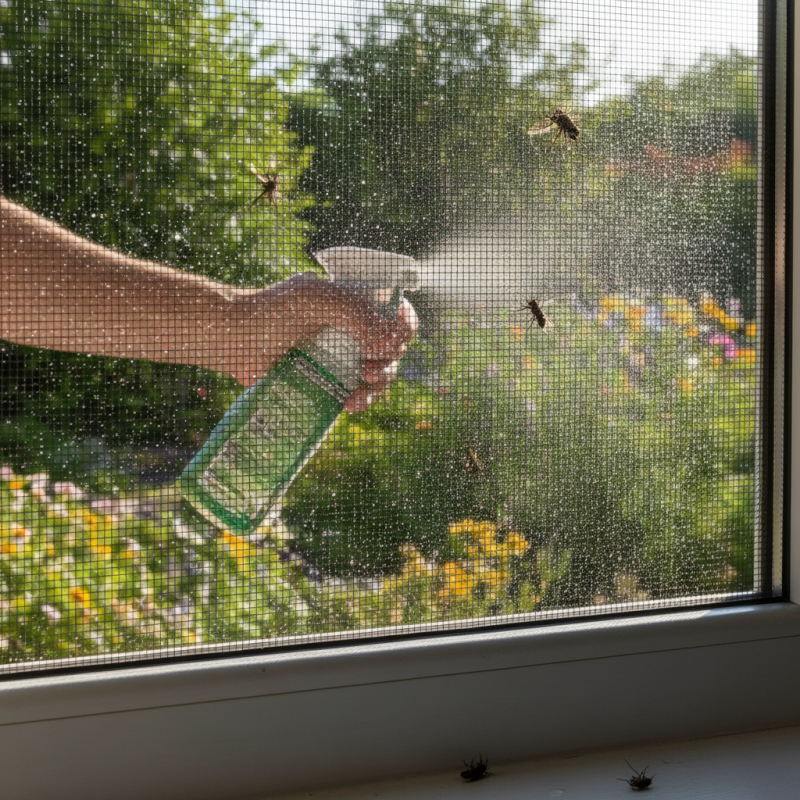
Window screens are essential for keeping bugs at bay, but common insects often find ways to sneak through. Understanding these creatures can help you enhance your home’s defenses.
Flies, mosquitoes, and ants are frequent intruders.
Flies are attracted to food and trash. Mosquitoes look for stagnant water nearby. Ants can traverse tiny openings, seeking food sources.
The small gaps in window screens can be problematic. Even a slight tear can welcome unwelcome visitors.
Flies are quick to invade during warmer months. They can breed rapidly, causing more distress inside.
Mosquitoes pose health risks too, carrying diseases.
It’s vital to address these vulnerabilities actively. Regularly check your window screens for damage. Use fine-mesh screens to deter tiny bugs effectively.
Some bugs require more than just a physical barrier. You may need to adopt additional measures.
Neem oil, for example, can repel certain insects. You can also maintain cleanliness in your home. Keeping windows and surfaces free of crumbs helps deter ant trails.
Recognizing the specific bugs in your area allows for targeted strategies. This proactive approach creates a more comfortable living environment.
Window screens are essential for keeping bugs at bay, but they can have weak points. Identifying these vulnerable areas can significantly reduce pest invasions.
Check the screen’s corners. Often, these spots are not as snug as they should be. A slight gap can be an open invitation for insects.
Look for tears or holes in the mesh. Even small openings can allow tiny bugs to sneak in. Repair or replace damaged screens promptly. Use a patching kit for minor tears. For larger holes, consider replacing the entire screen.
Don’t forget to inspect the frame as well. Rust or bends can compromise the screen’s integrity.
Sometimes, frames can warp over time due to weather changes. This leads to improper sealing. Regular maintenance is key. Ensure that screens fit tightly against the window. Seal any gaps with weather-stripping or caulk as needed. These small steps can make a big difference.
While keeping bugs out can feel like a constant battle, being proactive about your screens can lead to a more comfortable home.
Window screens play a crucial role in keeping bugs at bay. However, many homeowners overlook the gaps and openings that can allow insects to invade their homes. A recent study from the National Pest Management Association found that nearly 30% of homeowners experience pest issues related to unsealed windows. This statistic highlights the importance of addressing any potential entry points.
One effective solution is using weather stripping. This material can fill small gaps around window frames. A tight seal not only keeps bugs out but also improves energy efficiency. According to the Department of Energy, sealing gaps can reduce energy costs by up to 20%. Another option is to install a screen mesh specifically designed to keep out tiny insects like mosquitoes. These meshes can be fine enough to block even the smallest pests but still allow for airflow.
Additionally, regular maintenance is key. Check screens for tears or holes. Repairing small damages promptly can prevent larger infestations. If you notice persistent gaps, consider caulking or using expanding foam for better coverage. While it may require effort, ensuring your home is bug-proof is worth it. Overlooking this task might lead to a cycle of ongoing pest problems.
When choosing window screens for bug prevention, it’s vital to consider materials and mesh size. Fiberglass screens are lightweight and rust-resistant. They offer good visibility and airflow while preventing most common insects. Metal options, like aluminum, are durable and can withstand harsh weather conditions. However, they might block airflow slightly more than fiberglass.
Mesh size is another critical factor. A finer mesh can block smaller bugs, while a standard mesh works well for larger insects. For example, a mesh with 100 holes per square inch can keep out flies and bees, but it may let in tiny gnats. Experimenting with different sizes helps identify the perfect balance between protection and airflow.
Some screens may not fit all windows perfectly. Gaps around the edges can invite pests in. A DIY approach might be necessary to ensure a snug fit, which can lead to a more effective barrier. Additionally, remember to regularly inspect and maintain your screens. Small tears or damage can compromise their function. Taking these steps can make your home a bug-free sanctuary.
To keep window screens bug-free, regular maintenance is key. Inspect your screens every month for tears or loose frames. Even small holes can let bugs in. A patch kit for screens can quickly seal these gaps. Consider replacing damaged screens entirely if they're too worn.
Cleaning is also crucial for maintenance. Use a soft brush or cloth to remove dust and grime. This helps you spot any potential damage easily. Be mindful of the edges, where bugs often enter. Rinse screens gently with water to keep them clear.
Don’t overlook the surrounding window area. Trim back nearby plants to deter insects. Regularly check for gaps around the window frames. Sealing these spaces minimizes entry points for bugs. It's a simple task, but one that can save you from a bigger problem later.
: Flies, mosquitoes, and ants frequently invade homes through window screens.
Flies are attracted to food and trash, while mosquitoes seek stagnant water nearby.
Even slight tears can allow bugs to enter your home.
Fiberglass screens are lightweight and rust-resistant. Metal options like aluminum are durable.
Finer mesh blocks smaller bugs, while standard mesh accommodates larger insects.
Inspect screens monthly for damage, clean them regularly, and patch any holes.
Using neem oil and keeping surfaces crumb-free can help deter bugs.
A DIY approach may be needed to eliminate gaps around the edges of the screens.
Consider replacing them entirely if patches can’t restore their function.
Trim back nearby plants and seal any gaps around window frames.
To effectively address the issue of how to stop bugs from coming through window screens, it is essential to first understand the common types of insects that often invade homes through these openings. Identifying weak points in existing window screens can help homeowners pinpoint where bugs are most likely to gain access.
Next, implementing effective solutions to seal any gaps or openings will enhance the integrity of window screens. Choosing the right type of window screens specifically designed for bug prevention is also crucial in maintaining a bug-free environment. Lastly, regular maintenance tips can help ensure that screens remain in optimal condition, minimizing the chances of insect intrusion over time. By following these guidelines, homeowners can significantly reduce the likelihood of bugs entering their homes through window screens.

Fintrace Window