Mold on window screens is a common issue that many homeowners face. Understanding what causes mold on window screens is crucial to preventing its growth. Mold thrives in damp, humid conditions, often fueled by poor ventilation and stagnant air. When window screens are exposed to moisture, especially during rainy seasons, they become an inviting environment for mold spores.
Proper maintenance of your window screens can significantly reduce the likelihood of mold development. Regular cleaning and inspection can keep your screens in good shape. Using mold-resistant products can further enhance their lifespan. It’s essential to stay vigilant, as neglecting minor mold issues can lead to bigger problems.
Being aware of the conditions that foster mold growth is just the first step. Homeowners should also consider factors like indoor humidity levels and air circulation. These elements play a critical role in mold prevention. With a proactive mindset, you can safeguard your home against the pervasive threat of mold.
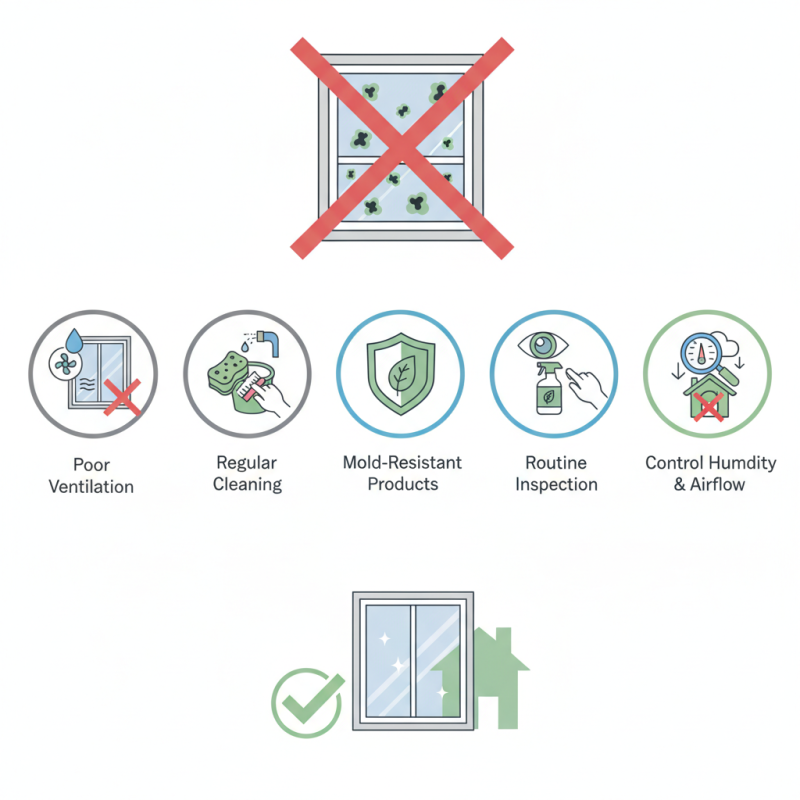
Mold thrives in humid conditions. Window screens can easily attract mold due to moisture buildup. According to the Environmental Protection Agency (EPA), mold grows best in environments where humidity is above 60%. This means that during warmer months, window screens become potential hotspots for mold development.
Understanding the conditions for mold growth is essential. Stagnant air and moisture can accumulate on screens, particularly in bathrooms or kitchens. These spaces often have higher humidity levels. Also, a lack of sunlight can create a perfect breeding ground for mold spores. Studies indicate that mold can begin to grow within 24 to 48 hours in the right conditions, emphasizing the need for quick action.
Regular maintenance is crucial. Cleaning screens frequently helps remove debris that holds moisture. Air circulation plays a significant role too. Opening windows and allowing fresh air flow can significantly reduce mold risk. However, remember that neglecting these areas can lead to mold infestations, causing health issues and property damage. Taking proactive steps will ensure your home remains mold-free and safe.
Mold can be a serious problem for window screens, especially in humid environments. Identifying the early signs is crucial to prevent its spread. Look for dark spots or fuzzy patches on the screens. These can be indicators of mold building up. If you notice a musty smell around the windows, that’s another clue. It suggests moisture is present, which invites mold growth.
Regular inspections are essential. Check your screens every few weeks, especially during rainy seasons. If you spot discoloration, act quickly. Clean the affected areas with mild detergent and water. Allow the screens to dry thoroughly before reinstalling them. Sometimes, just wiping them down isn’t enough. You might need to completely replace the screens if the mold persists.
Keep humidity levels low inside your home. Use exhaust fans and dehumidifiers where necessary. Ensure that windows are well-sealed to prevent leaks. Practicing these tips can help you maintain a healthy environment. Remember, ignoring small issues can lead to bigger problems down the line. Prioritize care for your window screens to safeguard your home.
Mold on window screens can be a persistent problem, especially in humid environments. Effective cleaning techniques can significantly reduce mold growth. Start by removing the screens from windows. This will simplify the cleaning process and help avoid damage.
Prepare a simple cleaning solution using water and mild detergent. Use a soft brush to scrub the screens gently. Be cautious not to apply too much pressure, as this can damage the screen material. Rinse thoroughly with clean water afterward. If mold persists, consider using a vinegar solution. Vinegar is an effective natural cleaner that can kill mold spores.
For more stubborn growth, an old toothbrush can be invaluable. Its bristles can reach crevices where mold hides. After cleaning, allow the screens to dry completely. This prevents mold from returning. Regular maintenance is essential. Inspect screens regularly for mold. Taking these steps can keep your home safer and healthier.
To effectively reduce humidity levels in your home, maintaining proper ventilation is essential. According to the Environmental Protection Agency (EPA), indoor humidity levels should ideally be between 30% and 50%. Anything above this range promotes mold growth, especially on window screens. Opening windows whenever possible allows fresh air to circulate and helps control moisture buildup. This simple action can significantly improve indoor air quality.
Using dehumidifiers in particularly damp areas is another effective method. These devices can help lower humidity levels and create an inhospitable environment for mold. The American Society of Home Inspectors (ASHI) suggests monitoring humidity levels with a hygrometer. Regular checks can help you adjust your dehumidifiers accordingly. Water leaks can contribute to high indoor humidity as well. Inspecting plumbing and window seals regularly can prevent unwanted moisture. Identifying leaks early reduces the risk of mold infestations.
Lastly, consider your home’s landscaping. Drainage systems should direct water away from your foundation. According to the Centers for Disease Control and Prevention (CDC), moisture control is a critical factor in mold prevention. Be proactive in your approach. Small adjustments can make a significant difference in humidity levels and overall home safety. Make these changes now to protect your living space effectively.
Choosing mold-resistant materials for window screens and frames is essential for maintaining a healthy home. Standard materials may not effectively resist mold growth. Look for options made from fiberglass, aluminum, or vinyl. These materials are typically more durable and less prone to mold accumulation. Fiberglass is especially known for its breathability and resistance to moisture.
Installation matters, too. Even the best materials can fail if not installed properly. Fit screens tightly to prevent water from seeping in. Regular maintenance is necessary. Inspect your window screens for any signs of wear or damage. Over time, even mold-resistant materials can become less effective.
In humid environments, consider coating your screens with anti-fungal solutions. This adds an extra layer of protection against moisture. However, remember that no material is completely mold-proof. Regularly cleaning your window screens is vital. Use a soft brush and mild detergent to keep them in top shape. Mold can develop quickly in damp conditions, making vigilance essential.
: Mold thrives in humid conditions, especially with humidity above 60%. Stagnant air and moisture buildup promote growth.
Mold can begin to grow within 24 to 48 hours under ideal conditions. Quick action is necessary to prevent it.
Regular cleaning of screens helps remove moisture-holding debris. Air circulation is crucial; open windows often.
Maintain proper ventilation. Ideally, humidity levels should stay between 30% to 50% to help control moisture.
Dehumidifiers can lower humidity and create an inhospitable environment for mold, especially in damp areas.
Proper drainage systems should direct water away from your foundation. This minimizes moisture and mold risk.
Opt for mold-resistant materials like fiberglass, aluminum, or vinyl. These are more durable and less prone to mold.
Yes, even good materials can fail if not installed correctly. Proper fitting prevents water from seeping in.
Regular inspections for signs of wear are necessary. Over time, materials can lose effectiveness against mold.
Yes, anti-fungal coatings can enhance protection against moisture. Regular cleaning is still essential to maintain effectiveness.
Mold on window screens can be a concerning issue for homeowners, as it not only affects the aesthetics of a home but can also pose health risks. Understanding what causes mold on window screens is essential in combating its growth. Key factors include high humidity levels, poor ventilation, and inadequate sunlight exposure, which create a perfect environment for mold spores to thrive.
To effectively prevent mold, it is important to identify early signs, such as discoloration or a musty odor. Regular cleaning techniques, including using vinegar or specialized cleaners, can help remove existing mold. Additionally, lowering humidity levels in the home through dehumidifiers and ensuring proper ventilation can significantly reduce mold risk. Finally, investing in mold-resistant materials for window screens and frames can offer long-term protection against mold growth, keeping your living space safe and healthy.

Fintrace Window