Mold on window screens is rarely caused by dirt alone. Moisture, shade, pollen, and trapped organic debris create a small growing environment between the mesh and frame. What causes mold on window screens is usually repeated condensation, poor airflow, or rainwater that never fully dries. A screen may look harmless in the morning, then feel damp by sunset.
The U.S. Environmental Protection Agency recommends keeping indoor relative humidity between 30% and 50%, while warning that levels above 60% encourage moisture problems (EPA, Mold Remediation in Schools and Commercial Buildings). The agency also advises drying wet materials within 24 to 48 hours when possible. These figures matter because window screens often remain wet longer than people expect. The World Health Organization’s Guidelines for Indoor Air Quality: Dampness and Mould links persistent dampness with increased respiratory risks. That makes prevention more than a cosmetic task.
This 2026 guide focuses on practical control: inspect screen corners, remove leaf dust, improve airflow, and reduce condensation around the window. A soft brush can reach the mesh without bending it. Do not rely on bleach alone; cleaning without fixing moisture usually brings the problem back. I once assumed a sunny window needed little attention. That was incomplete. Morning shade, blocked weep holes, and humid indoor air can work together quietly. The goal is not perfect cleanliness. It is consistent drying, careful inspection, and evidence-based maintenance. When visible growth covers a large area or returns quickly, professional assessment is the safer choice.
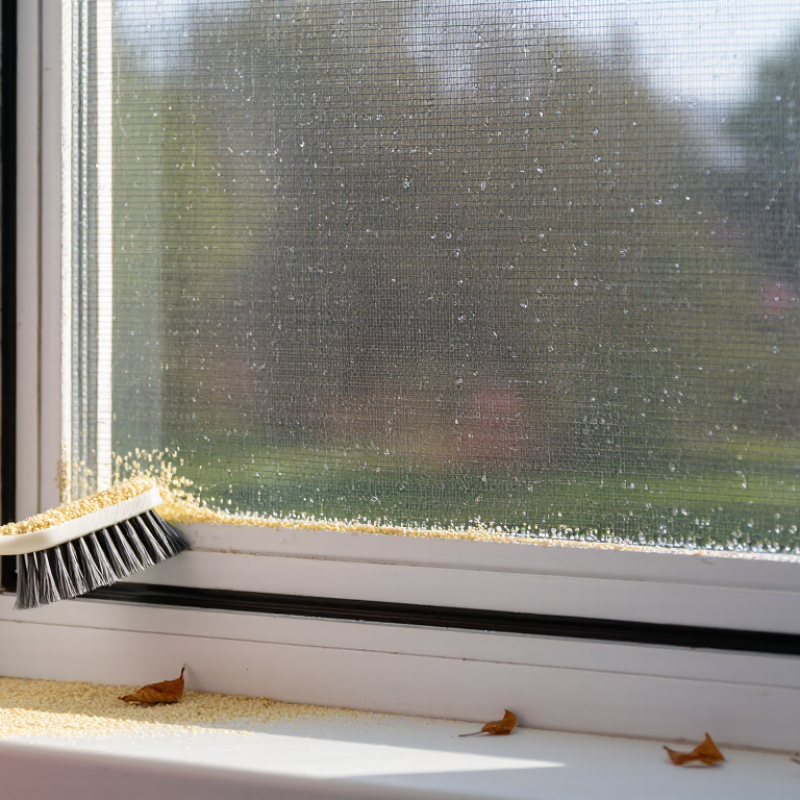
Mold grows on window screens when moisture stays trapped long enough for spores to feed on dust, pollen, and skin oils. Screens are not food-rich surfaces, but they collect organic particles every day. Condensation is common near cold glass, especially during humid mornings. The U.S. Environmental Protection Agency recommends keeping indoor relative humidity between 30% and 50%. Above that range, screens may remain damp after rain or cleaning.
The World Health Organization’s Guidelines for Indoor Air Quality: Dampness and Mould reports dampness in roughly 10% to 50% of indoor environments across different regions. That wide range matters. Local climate, insulation, and ventilation change the risk. A screen facing a shaded garden may dry slowly, while another exposed to direct sunlight stays clean and dry. Airflow matters too. Closed windows, blocked vents, and heavy curtains can create a small, humid pocket around the frame.
Look closely at the lower corners. Black specks often appear there first, where water and dust settle. Wiping only the visible mesh may leave growth on the frame and sill. That is the easy mistake. The U.S. Centers for Disease Control and Prevention advises controlling moisture rather than relying only on surface cleaning. Check indoor humidity with a simple meter, repair leaks, and allow wet screens to dry completely. I would not assume every dark mark is mold; soot and pollen can look similar. A cautious inspection is better.
How to Prevent Mold on Window Screens in 2026
Choosing mold-resistant screen materials starts with controlling moisture. The U.S. Environmental Protection Agency recommends keeping indoor relative humidity between 30% and 50%, and below 60% whenever possible. These levels reduce condensation around window frames and screens. Moisture wins.
For damp rooms, choose fiberglass mesh with a smooth PVC coating, aluminum, or stainless-steel mesh. These materials do not provide food for mold, unlike dusty organic residues trapped in damaged screens. However, “mold-resistant” does not mean mold-proof. I have found that clogged corners often grow mold before the main screen surface looks dirty. Inspect the lower frame, spline, and window tracks monthly.
Use warm water, a small amount of unscented detergent, and a soft nylon brush. Avoid abrasive pads, which can roughen coatings and hold more dust. For stubborn spots, a properly diluted hydrogen peroxide cleaner may help, but never mix cleaning chemicals. Rinse thoroughly and dry the screen outdoors before reinstalling it. CDC guidance also supports reducing indoor humidity and drying wet surfaces quickly (CDC, Mold Prevention Strategies and Possible Health Effects).
The EPA’s Moisture Control Guidance for Building Design, Construction and Maintenance emphasizes fixing leaks, condensation, and airflow problems rather than relying on chemical treatments. That point is easy to overlook. A cleaner screen still fails when humid air repeatedly meets cold glass. Recheck seals after heavy rain, and replace torn mesh instead of repeatedly scrubbing it.
Cleaning window screens safely starts before visible mold appears. I inspect each screen monthly, especially after rainy weeks. Dust, pollen, and trapped moisture create a useful surface for mold growth. Remove the screen gently and support its frame with both hands. A cracked frame can bend unexpectedly. Wear gloves and a well-fitting mask when handling dusty or stained screens.
Place the screen outdoors or in a well-ventilated area. Use a soft brush to remove loose debris without forcing particles into the mesh. Mix warm water with a small amount of mild detergent. Scrub both sides gently, then rinse with clean water. Avoid harsh chemicals, abrasive pads, and strong pressure. They may weaken the mesh or damage protective coatings.
Dry the screen completely before reinstalling it. I once replaced a screen too soon, and moisture remained along the lower edge. That mistake taught me to check every corner and groove. Wipe the frame with a clean towel, then leave the screen upright until no cool, damp spots remain. Clean the window track as well. Mold often returns from hidden residue there. If staining spreads, smells persist, or breathing discomfort develops, stop cleaning and contact a qualified indoor-environment professional. Extensive growth needs more than routine washing.
Mold on window screens usually signals trapped moisture, not a dirty screen alone. During home inspections, I check the sill, frame joints, curtains, and nearby walls. A screen can look dry while condensation remains behind it.
The U.S. Environmental Protection Agency recommends keeping indoor relative humidity between 30% and 50%. Use a hygrometer near the window, especially after showers or cooking.
Ventilation must remove moisture at its source. Run bathroom exhaust fans during bathing and for at least 20 minutes afterward. Use a range hood that vents outdoors when possible.
Open opposite windows briefly for cross-ventilation, but avoid doing so during humid weather.
The American Society of Heating, Refrigerating and Air-Conditioning Engineers identifies 30% to 60% relative humidity as a common comfort range. Lower is often safer for mold-prone rooms.
Clean screens with mild detergent and let them dry completely before reinstalling. Do not push wet screens against glass. Leave a small air gap around furniture blocking the window.
The World Health Organization links damp indoor environments with higher risks of respiratory symptoms, so moisture control deserves attention.
I sometimes overestimate how quickly screens dry. That mistake matters. Recheck humidity after storms, drying laundry, or repeated condensation, and repair leaking frames promptly.
How to Prevent Mold on Window Screens in 2026
Inspecting, Treating, and Maintaining Screens Throughout 2026
Mold on window screens usually begins with trapped moisture, dust, and organic debris. Inspect each screen monthly, especially after heavy rain or humid weather. Look closely at corners, spline channels, and the lower frame. These areas dry slowly. A musty smell can reveal growth before visible spots appear.
CARE & CLEANING Remove the screen carefully and place it on a clean, flat surface. Brush away loose dirt with a soft brush. Wash the mesh using lukewarm water and a small amount of mild detergent. Never mix cleaning products. Wear gloves and eye protection, particularly when disturbing visible mold. Rinse gently, then dry both sides completely before reinstalling the screen. Strong pressure can stretch the mesh or force moisture into the frame.
Check the window area as well. Condensation, damaged seals, and blocked drainage paths can keep screens damp. Improve airflow, but do not ignore the underlying leak. I once cleaned a screen repeatedly, yet mold returned because water collected beneath the sill. That mistake was avoidable. If staining remains after cleaning, or the mesh feels brittle, replacement may be more reliable than repeated treatment. Keep nearby curtains and plants from touching the screen. Record inspection dates during 2026, although a simple note can be easy to forget. Recheck screens after storms, seasonal temperature changes, and long periods of closed windows. Dry conditions matter most.
Trapped moisture, dust, and organic debris often create the problem. A damp screen can look clean at first.
Keep indoor relative humidity near 30% to 50%. Use a hygrometer beside the window. Check it after showers, cooking, and storms.
Run the bathroom fan during bathing and for at least 20 minutes afterward. Use an outdoor-venting range hood when possible. Open opposite windows briefly during dry weather.
Inspect them monthly, especially after rain or humid weather. Check corners, lower frames, spline channels, and musty odors. These areas dry slowly.
Remove the screen and place it on a clean, flat surface. Brush off loose dirt, then wash with lukewarm water and mild detergent. Never mix cleaning products.
Wear gloves and eye protection when disturbing visible mold. Rinse gently. Strong pressure can stretch the mesh or push water into the frame.
Dry both sides completely before reinstalling it. Do not press a wet screen against glass. Airflow helps. A small gap around nearby furniture also improves drying.
A leaking frame, blocked drainage path, or condensation may keep the area damp. Inspect beneath the sill and around damaged seals. I once cleaned repeatedly but missed water collecting below the sill.
Consider replacement when staining remains or the mesh feels brittle. Repeated treatment may waste time. I sometimes overestimate drying speed, so recheck the screen later.
This guide explains how to prevent mold from developing on window screens throughout 2026. It begins by examining “What causes mold on window screens,” including trapped moisture, condensation, poor airflow, dust, and organic debris. Readers will learn how to select mold-resistant screen materials and suitable cleaning supplies, followed by safe cleaning methods that remove dirt and moisture before mold becomes visible. The approach emphasizes gentle handling to avoid damaging screen fibers or frames.
The guide also highlights the importance of improving ventilation and controlling indoor humidity, especially in kitchens, bathrooms, and other damp areas. Regular inspections can help identify stains, blocked airflow, loose screens, and early signs of growth. When needed, prompt treatment and thorough drying can prevent the problem from spreading. With consistent cleaning, moisture control, and seasonal maintenance, window screens can remain cleaner, stronger, and less likely to support mold during the year.

Fintrace Window