Choosing the right window screen affects airflow, daylight, insect control, and everyday comfort. The material also influences repairs, cleaning, and long-term value. Homeowners often ask, “Are metal window screens better than fabric ones?” The honest answer depends on the window, weather, pets, and household habits.
Metal screens, commonly made from aluminum or stainless steel, resist tears and claw damage. They feel firm when pressed and suit busy kitchens, workshops, and ground-floor windows. Stainless steel performs especially well in demanding environments, although it usually costs more. Aluminum is lighter and more affordable, but salty air can accelerate corrosion if the coating becomes damaged. Regular inspection matters.
Fabric screens, usually fiberglass or polyester, provide flexible, economical protection. Their softer weave is less likely to dent a frame during installation. However, sharp claws, children’s toys, and repeated removal can create small holes. A tiny tear can spread quickly. That detail is easy to underestimate.
There is no universal winner. A careful comparison should consider mesh strength, visibility, ventilation, maintenance, and replacement access. In my experience, a metal screen can feel reassuring near pets, while fabric may offer better value for upper-floor bedrooms. Still, personal experience is not a laboratory test. Product quality varies, and poorly fitted metal mesh can perform worse than well-installed fabric. Measuring the frame accurately and checking local climate conditions can prevent costly mistakes. The best choice is the one that matches actual use, not simply the strongest material on paper.
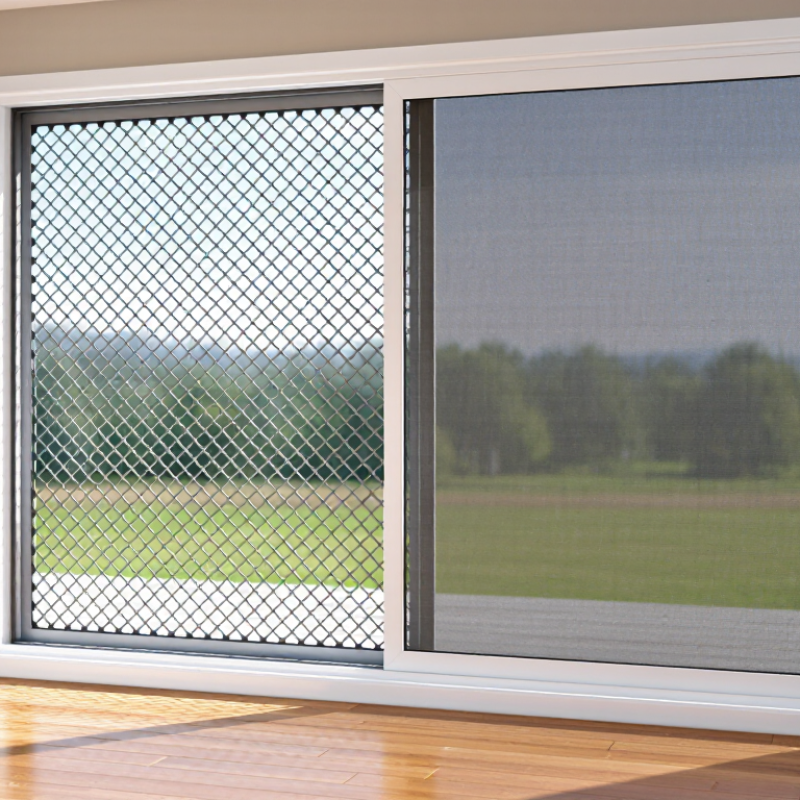
Metal and fabric window screens both use a mesh barrier to keep insects outside while allowing air and daylight indoors. Metal screens usually contain aluminum or stainless-steel wires. They feel rigid, resist clawing, and tolerate frequent cleaning. Fabric screens commonly use fiberglass or polyester-coated yarn. They are lighter, easier to cut, and simpler to replace after accidental damage.
Mesh size matters more than many homeowners expect. An 18-by-16 mesh is common for general insect control, while finer meshes can reduce smaller insects but may restrict airflow. The U.S. Department of Energy reports that windows can account for 25–30% of residential heating and cooling energy use. A damaged or poorly fitted screen cannot solve that problem, but it can support natural ventilation when outdoor conditions are suitable.
Metal is not automatically better. It may dent, corrode near saltwater, or create sharper damaged edges. Fabric can sag, tear, and weaken under strong sunlight. The U.S. Environmental Protection Agency links effective ventilation with improved indoor air management, although ventilation quality depends on outdoor pollution, humidity, and window placement. Installers often find that frame fit matters more than the mesh material. That detail is easy to miss. A careful inspection should check loose corners, stretched fabric, blocked mesh, and gaps around the frame. Personal preference still matters, and the “best” screen can change from room to room.
| Comparison Dimension | Metal Window Screens | Fabric Window Screens | Practical Conclusion |
|---|---|---|---|
| Common Materials | Usually aluminum or stainless steel wire mesh. Some screens use galvanized steel, which has a protective zinc coating. | Most commonly fiberglass-coated vinyl or polyester mesh. The fibers are woven and coated to improve dimensional stability. | Metal is more rigid; fabric is more flexible and easier to handle. |
| Resistance to Tears and Punctures | High resistance to punctures and tearing. Rigid mesh is less likely to be damaged by pets, branches, or repeated contact. | Moderate resistance. It can be cut, punctured, or torn by sharp objects, claws, and rough handling. | Metal generally performs better where physical impact or pet contact is expected. |
| Durability and Service Life | Typically durable when the metal and protective finish are suitable for the local climate. Scratches can expose steel to corrosion. | Durable for normal residential use, but prolonged ultraviolet exposure, temperature changes, and abrasion can gradually weaken the mesh. | Metal often lasts longer under heavy use, while fabric is adequate for ordinary window applications. |
| Corrosion and Moisture | Aluminum does not rust but can oxidize; steel can corrode if its coating is damaged. Salt air can accelerate metal corrosion. | The mesh itself does not rust. However, surrounding fasteners, frames, and hardware may still corrode if exposed to moisture. | Fabric is usually simpler in humid or coastal settings, unless a corrosion-resistant metal is selected. |
| Visibility and Light Transmission | Fine metal mesh can provide good outward visibility, but thicker wire may be more noticeable and can reduce the open area. | Usually offers clear visibility and good daylight transmission, especially when the mesh is fine and dark-colored. | Fabric commonly feels less visually prominent in standard residential windows. |
| Ventilation and Insect Control | Allows airflow while blocking insects. Performance depends mainly on mesh opening size, wire diameter, and the quality of the frame seal. | Also provides airflow and insect protection. Fine mesh may improve small-insect control but can reduce airflow compared with a more open mesh. | Neither material is automatically better; mesh size and proper installation are the key factors. |
| Resistance to Pets and Children | Better resistance to clawing, pushing, and accidental contact, although the frame and attachment points can still fail. | More vulnerable to clawing and pushing. Pet-resistant fabric may improve performance but is still not a substitute for a fall-prevention barrier. | Metal is generally the stronger choice for high-contact locations, but no insect screen should be treated as a safety guard. |
| Weight and Handling | Heavier and more rigid, particularly when steel is used. Rigid panels may require stronger frames and careful handling during installation. | Lightweight and flexible. It is easier to cut, roll, transport, and fit into many frame designs. | Fabric is more convenient for lightweight or removable screens. |
| Maintenance and Repair | Can usually be cleaned with water and mild soap. Bent sections may need reshaping or replacement; damaged coatings should be repaired to limit corrosion. | Easy to clean with mild soap and water. Small holes can sometimes be patched, but extensive tears usually require mesh replacement. | Both are relatively easy to maintain; fabric is often easier to replace, while metal is less likely to tear. |
| Installation Flexibility | Works well for rigid panels and framed screens. Accurate measurement is important because the mesh is less forgiving of irregular cuts. | Can be stretched into frames and secured with spline or similar retaining systems. It is more forgiving for routine screen re-meshing. | Fabric usually offers easier do-it-yourself installation and replacement. |
| Relative Material Cost | Often medium to high, depending on the metal type, wire diameter, protective finish, and frame requirements. | Generally low to medium, with higher prices for stronger, pet-resistant, solar-control, or specialty meshes. | Fabric is usually the more economical option for standard residential screens. |
| Best-Suited Applications | High-contact windows, areas exposed to debris, locations requiring greater puncture resistance, and applications where rigidity is important. | Most standard household windows, removable screens, rental properties, and projects where low weight and easy replacement matter. | Choose based on exposure, contact level, climate, budget, and the required balance between strength and convenience. |
Both create a mesh barrier that keeps insects outside while allowing air and daylight indoors. They support ventilation when outdoor conditions are suitable.
Metal screens use woven aluminum, stainless-steel, or coated steel wires. The rigid mesh sits inside a frame with clips, channels, or screws.
Fabric screens commonly use fiberglass or polyester-coated yarn. Installers press the flexible mesh into a frame groove with rubber spline.
Metal usually handles pets, wind pressure, and repeated handling better. However, it can bend, dent, or corrode near saltwater.
Fabric screens are light and practical, but sharp claws or tools can stretch or tear them. Strong sunlight may weaken the material over time.
No. A finer mesh can reduce smaller insects but may restrict airflow. An 18-by-16 mesh suits many general insect-control needs.
Check loose corners, frame gaps, stretched fabric, blocked mesh, and damaged coating. Also inspect wire thickness, frame joints, spline depth, and drainage paths.
Often, frame fit matters more than material. A strong screen still performs poorly when gaps surround the frame.
Fabric is easier to cut and adapt to unusual shapes. Metal may offer a firmer feel, but customization can be harder.
Not always. Room conditions, coastal moisture, pets, sunlight, repair access, and appearance should guide the decision. A perfect choice may not exist.
Metal and fabric window screens serve the same basic purpose, but their materials create important differences in performance. Metal screens are typically made from woven aluminum or steel, giving them greater resistance to impacts, pets, and harsh weather. Fabric screens, often made from fiberglass or similar mesh, are lighter, more flexible, and usually easier to handle. The choice can affect visibility and airflow as well: finer fabric mesh may offer a softer appearance, while metal mesh can provide a sturdy, structured fit without greatly reducing ventilation.
Are metal window screens better than fabric ones depends on the window, climate, and household needs. Metal screens may be preferable for high-traffic areas or homes exposed to frequent damage, while fabric screens can be practical for standard windows and simpler installations. Both types require occasional cleaning, and damaged sections may need replacement or repair. Consider frame compatibility, maintenance effort, desired visibility, airflow, and exposure to weather before selecting the most suitable screen.

 Fintrace Window