Measuring a window for a new screen might seem straightforward, but it can become tricky without the right knowledge. Understanding how to measure a window for a new screen requires attention to detail. A precise fit not only enhances your home's aesthetics but also boosts energy efficiency.
Start by gathering the necessary tools. A tape measure, pencil, and notepad are essential for this task. Remember, inaccuracies can lead to wasted time and resources. Consider the window’s frame – the width and height can vary depending on the style and manufacturer.
Take multiple measurements, especially if your window seems uneven. This will ensure you have every angle covered. It’s easy to overlook the need for a few extra inches to account for any hardware or overlaps. A thoughtful approach to how to measure a window for a new screen will save headaches later on.
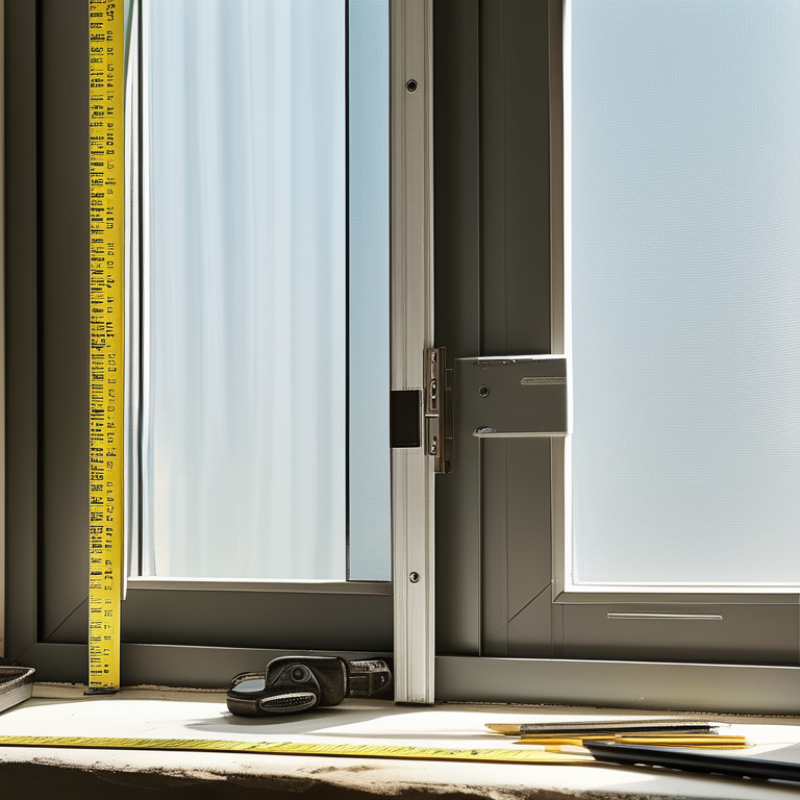
Measuring a window for a new screen can feel daunting. However, having the right tools makes it straightforward. Start with a reliable tape measure. This tool provides the accuracy needed for perfect screen sizing. Make sure to choose one that locks in place during your measurement process. A pencil is also essential for marking your measurements. Details matter, and a simple pencil mark can save you from making costly mistakes.
When measuring, consider using a notepad to jot down dimensions. Write down the width and height of the window frame. It's beneficial to measure in multiple places. Windows can be uneven, and slight variations occur. If the window has a sill, note the depth as well. A square may help transfer dimensions accurately, ensuring straight edges for your screen.
Don't rush through the process. Measure twice, and then cross-check your figures. This extra step helps catch any discrepancies. Sometimes, taking a break during measuring can clear your mind. Mistakes happen, even to experienced DIYers. Keep all tools nearby, and approach the task methodically. Each accurate measurement brings you closer to a properly fitted screen.
Identifying the window type and frame configuration is crucial when measuring for a new screen. Start by examining the window style. Common types include casement, double-hung, and sliding windows. Each type has unique characteristics that impact screen measurements. For instance, casement windows swing open outward, while double-hung windows slide vertically. Knowing the type helps ensure a perfect fit.
Next, inspect the frame configuration. Look for how the window fits into the wall. Is it a flat frame or does it have a deep inset? A flat frame allows for standard screen dimensions. On the other hand, an inset frame may require custom measurements. The small variations in width and height can make a big difference. Careful measurement will reduce the chance of sizing errors that could lead to gaps or improper fitting. Pay attention to these details to achieve a seamless installation.
Measuring the width of a window opening requires attention to detail. Begin by using a tape measure. Place one end of the tape against the wall at one side of the window. Extend the tape across to the other side. Ensure you measure from the inside edges of the trim. This is critical for an accurate fit.
Take several measurements to confirm consistency. Sometimes, walls can be uneven. If one measurement is different, use the smallest one. Write down the numbers clearly. It’s easy to forget or mix them up later. Completing this step correctly sets the foundation for a perfect screen fit. Ensure your workspace is free of distractions to avoid mistakes.
After measuring, double-check your figures. Experience shows that small errors lead to big headaches later. A window screen that doesn't fit means wasted time and materials. A precise measurement can prevent regret. Keep your tape measure and notepad handy for future window projects.
| Measurement Step | Description | Recommended Tool | Notes |
|---|---|---|---|
| Step 1 | Remove any blinds or curtains | N/A | Ensure a clear view of the window frame |
| Step 2 | Measure the width of the window opening | Tape Measure | Measure at the top, middle, and bottom |
| Step 3 | Record the smallest width measurement | Notebook or Digital Device | Double-check for accuracy |
| Step 4 | Measure the height of the window opening (optional) | Tape Measure | Helpful for custom screens |
| Step 5 | Cross-check measurements with manufacturer specifications | Reference Guide | Ensure compatibility with screen type |
Measuring the height of a window opening correctly is crucial for a perfect screen fit. Start by gathering your tools. You need a tape measure, a pencil, and possibly a helper for larger windows. Ensure you measure the inside of the window frame. This measurement gives you the most accurate size for your new screen.
To get the proper height, measure from the top of the sill to the bottom edge of the head casing. Ensure your tape measure is straight and level. If your window is not perfectly square, take the smallest measurement. This is critical for fitting the screen correctly. Remember, a tight fit prevents bugs from entering.
Tips: Always double-check your measurements. Mistakes can lead to frustration during installation. Additionally, consider measuring in inches to make it easier for screen specifications. Be aware that older windows may have uneven surfaces. In such cases, measure multiple points and choose the most appropriate one. Taking your time ensures a better outcome.
Measuring your window accurately is crucial for ordering a new screen. Start with a tape measure. Ensure it is straight and flat against the window frame. Take measurements from the inside edge of the frame. Be aware of any obstructions, like trim or handles, that may affect your final screen size.
Record your measurements carefully. Write down both the width and height. Double-check your numbers before placing your order. Consider taking photos of your window, capturing the frame and any unique features. This can help clarify your needs to the manufacturer.
Mistakes happen, even to the best of us. Always recount your figures. If possible, have a friend verify your measurements. It’s a small step but can save time and money later. Relying solely on memory for measurements can lead to inaccuracies. Taking thorough notes and being meticulous can ensure you get the perfect fit for your new screen.
: Use a tape measure. Start from one side of the window's trim to the other.
Walls may be uneven. Multiple measurements ensure you get the most accurate size.
Use the smallest measurement to avoid fitting issues.
Measure from the top of the sill to the bottom edge of the head casing.
Take measurements at different points. Use the smallest to ensure a proper fit.
Clear records avoid mix-ups later. They help ensure the screen fits correctly.
Yes. Double-checking reduces errors that can lead to frustration.
Yes, taking photos of your window can clarify features for the manufacturer.
Be mindful of trim or handles that may affect final screen sizes.
Absolutely. A second person can catch mistakes and confirm accuracy.
When considering how to measure a window for a new screen, it is essential to start by choosing the right tools, such as a tape measure, a level, and a pen and paper for recording. Understanding your window type and its frame configuration will ensure more accurate measurements. Begin by measuring the width of the window opening thoroughly, ensuring that measurements are taken at the top, middle, and bottom for accuracy. Next, measure the height of the window opening, again checking in multiple places to capture any variations in size.
After completing your measurements, record them clearly to facilitate the ordering process for your new screen. Following these steps will help you achieve a proper fit, ensuring your new window screen functions effectively. Overall, knowing how to measure a window for a new screen is a straightforward process that can be accomplished with care and attention to detail.

Fintrace Window