Effective ventilation is crucial for maintaining indoor air quality. Research shows that poor airflow can lead to increased humidity and airborne pollutants. A study by the Environmental Protection Agency highlighted that indoor air can be up to five times more polluted than outdoor air. Therefore, understanding how to improve airflow through window screens can significantly enhance ventilation in homes.
Window screens are often overlooked in discussions about airflow. Despite their vital role, many screens are not optimized for ventilation. A recent report from the American Society of Heating, Refrigerating, and Air-Conditioning Engineers noted that proper screen design can increase airflow by up to 50%. Yet, many homeowners remain unaware of this potential. Simple adjustments can often make a big difference.
Reflecting on these statistics urges us to consider our existing window setups. Are screens blocking airflow unnecessarily? Regular maintenance and the choice of high-permeability materials can create a more breathable environment. There is always room for improvement in our methods. Taking steps now could lead to better air quality in the future.
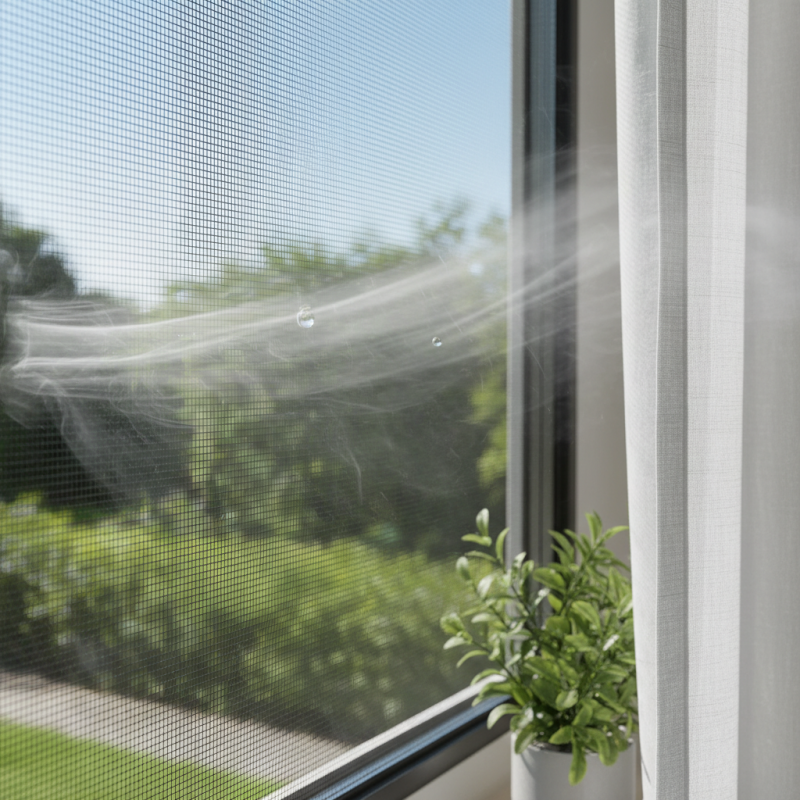
Good airflow is crucial for maintaining a healthy indoor environment. Poor ventilation can lead to increased humidity and air pollution indoors. According to the EPA, indoor air can be two to five times more polluted than outdoor air. This statistic emphasizes the need for effective ventilation systems, especially in tightly sealed homes.
Window screens can play a vital role in enhancing airflow. However, many homeowners overlook this aspect. A study by the American Society of Heating, Refrigerating, and Air-Conditioning Engineers (ASHRAE) indicates that optimized airflow can improve indoor air quality significantly. For instance, increasing screen mesh size may enhance ventilation by allowing more air to pass through. However, if screens are not properly maintained, they can obstruct airflow and trap dirt and allergens.
It's also important to consider the challenges. Screens can reduce airflow by filtering out larger particles without addressing finer pollutants. Over time, these screens can become dusty and lead to airflow restrictions. Regular cleaning and appropriate sizing of window screens are essential for maximizing their effectiveness. The focus should be on creating a balance between protection from pests and maintaining adequate ventilation.
When improving airflow through window screens, several common issues often arise. One major problem is obstruction caused by dirt and debris. Over time, screens gather dust, pollen, and pet hair, which restricts airflow. Regular cleaning is essential. Simply using a soft brush or vacuum nozzle helps remove accumulated particles. This task only takes a few minutes but can significantly enhance ventilation.
Another factor affecting airflow is the screen material itself. Some screens use dense weaves, limiting airflow even when clean. Opting for screens designed for better ventilation, like mesh options with larger holes, can be beneficial. These allow more air to flow while still keeping unwanted pests outside.
Lastly, improper installation can also hinder airflow. If screens are not fitted snugly into window frames, air can escape around the edges. Ensuring a proper fit not only improves airflow but also enhances energy efficiency. Take time to assess your screens and their installation to identify areas for improvement.
Cleaning and maintaining window screens is essential for improving airflow. Dirty screens can obstruct fresh air. Dust, pollen, and grime accumulate over time. Regularly inspecting screens can prevent this buildup.
Start by removing the screens from the window frame. Use a soft brush or vacuum cleaner attachment to remove loose debris. For stubborn dirt, a gentle soap and water solution works well. Scrub lightly to avoid damaging the mesh. Rinse thoroughly with clean water, ensuring no soap residue remains.
Once cleaned, allow screens to dry completely before reinstallation. Check for tears or holes that can reduce airflow efficiency. A small repair kit can fix minor issues, extending the screen's lifespan. Properly maintained screens not only enhance ventilation but also improve indoor air quality. Regular upkeep is key for optimal results.
When considering window screens, innovative designs can make a significant impact on airflow. Screens made from materials like fine mesh offer better ventilation while maintaining both visibility and insect protection. Choosing lightweight materials helps breeze flow freely, enhancing comfort in indoor spaces.
One effective tip is to assess your existing screens. Some styles may restrict airflow more than you realize. Swapping standard screens for those with larger mesh openings can drastically improve ventilation. Look for options designed with enhanced airflow in mind.
Another consideration is screen placement. Adjustable or removable screens allow users to adapt according to season and weather. It is essential to remember that not all designs will work in every setting. Experiment with different options to find what truly enhances airflow in your specific space.
| Screen Type | Material | Airflow Rate (CFM) | Insect Protection | UV Protection (%) | Durability (Years) |
|---|---|---|---|---|---|
| Standard Fiberglass | Fiberglass | 80 | Yes | 50 | 5 |
| Solar Screen | Polyester with PVC Coating | 60 | Yes | 90 | 7 |
| Pet Screen | Tough Polyester | 70 | Yes | 70 | 10 |
| Retractable Screen | Aluminum and Mesh | 75 | Yes | 60 | 8 |
Improving airflow through window screens is essential for better indoor ventilation. Strategically positioning screens can significantly enhance air circulation. According to the American Society of Heating, Refrigerating and Air-Conditioning Engineers (ASHRAE), proper airflow can reduce energy consumption by 30%. This reduction is vital in maintaining a comfortable home environment without relying heavily on HVAC systems.
Positioning screens to optimize cross-ventilation is crucial. Open windows on opposite sides of a room create a path for fresh air to flow through. In homes where airflow is restricted, placing screens at an angle can further assist in directing breezes indoors. Research from the Building Science Corporation emphasizes how three-dimensional airflow patterns can improve indoor air quality significantly. Inadequate placement of screens may lead to stagnant air pockets, which are not ideal.
However, not everyone pays attention to screen placement. Many homeowners overlook this critical detail, which can lead to discomfort. While some screens may block dust and pests, they can also impede airflow if not installed correctly. It’s a balancing act between robust protection and maintaining a breath of fresh air. Regular assessments of window setups and screen adjustments could lead to noticeable changes in air quality and comfort levels.
: Good airflow is vital for a healthy indoor environment. It reduces humidity and air pollution.
Window screens can enhance airflow but need proper maintenance. Dirty screens can obstruct airflow and trap allergens.
Screens filter out larger particles, but they might not address finer pollutants effectively. This could restrict airflow over time.
Regular cleaning is essential. Dusty screens can diminish airflow and lead to poorer air quality.
Properly positioned screens enhance air circulation and reduce energy consumption significantly.
Cross-ventilation involves opening windows on opposite sides of a room to facilitate fresh air flow.
Inadequately placed screens can create stagnant air pockets, which is uncomfortable and unideal for air quality.
It's important to protect from pests while ensuring proper airflow. Regular adjustments can help maintain this balance.
Yes, strategic placement can lead to noticeable changes in air quality and overall comfort in your home.
Yes, many homeowners neglect this detail, which can result in discomfort and lower indoor air quality.
Improving airflow through window screens is essential for maintaining a healthy indoor environment. Understanding the importance of airflow and ventilation can help in identifying common issues that hinder proper air circulation. Regular cleaning and maintenance of window screens is crucial, as dirt and debris can block airflow.
Additionally, exploring innovative designs and materials for window screens can significantly enhance ventilation. Strategically positioning screens can also optimize air circulation, ensuring that your living space remains fresh and comfortable. By implementing these techniques, you can effectively learn how to improve airflow through window screens, ultimately creating a better environment in your home.

Fintrace Window