When considering how to make window screens pet proof, safety and durability are paramount. Many pet owners face the challenge of keeping their furry friends secure while allowing fresh air into their homes. A torn screen can lead to an escaped pet, putting them at risk. Finding effective solutions can feel daunting.
There are various materials available that can enhance your window screens. Some options include stronger mesh fabrics and specialized screen technology. These materials can withstand scratching and pushing from excited pets. However, installation is another aspect that requires attention. Proper fitting and securing of screens can prevent accidents down the line.
Many solutions offer promise but can fall short without careful execution. Pet owners might find themselves frustrated if a screen fails after installation. Taking the time to research and choose the right materials is crucial. This not only protects your pet but offers peace of mind. Understanding how to make window screens pet proof is a journey that demands thoughtfulness and trial and error.
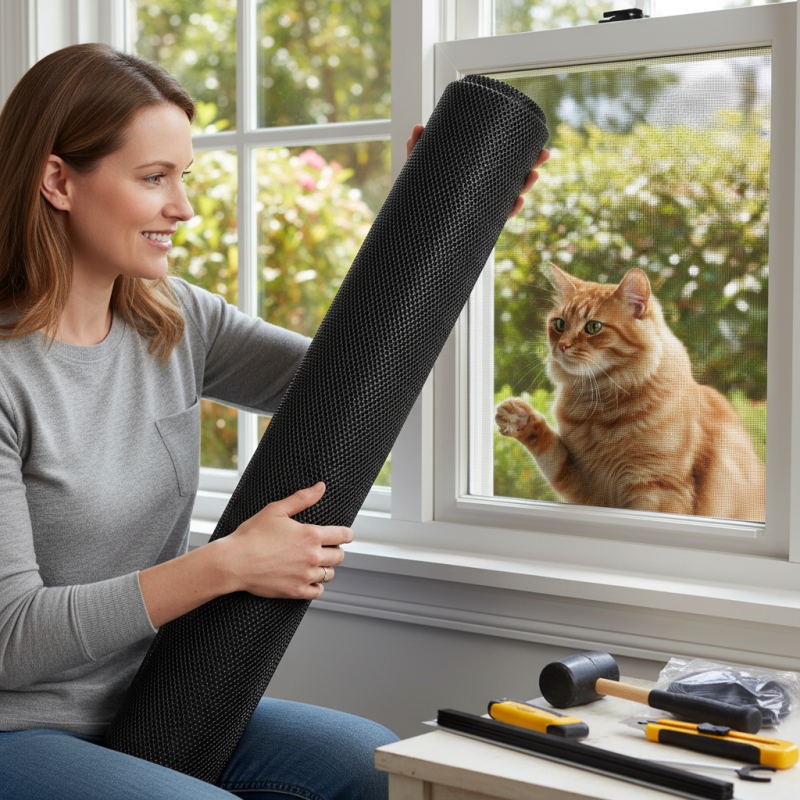
When choosing materials for pet-proof window screens, durability is key. Most standard screens use fiberglass mesh, but this may not withstand determined pets. According to a report by the American Society for the Prevention of Cruelty to Animals, about 1 in 5 pet owners have reported their pets damaging household items. This includes window screens. You might want to explore materials like stainless steel mesh. It's more resistant to chewing and scratching.
Consider also the frame material. Aluminum frames are lightweight and rust-resistant, making them a popular choice. However, they can bend easily under stress. A report from the Window and Door Manufacturers Association highlights that reinforced frames significantly enhance screen durability. Some pet owners have opted for stronger PVC frames, which can endure more pressure without warping.
Lastly, installation matters. Even the best materials won't be effective if not fitted properly. Gaps can allow pets to push through or get stuck. Thus, it may be worth investing time in a DIY installation guide or seeking professional help. Remember, perfection is rare in home improvement, and some trial and error may occur. You might even find that the initial installation needs adjustments as you observe how your pets interact with the screens.
Measuring your windows accurately is crucial for creating pet-proof screens. According to industry specialists, one small mistake in measurement can lead to significant gaps. These gaps may allow pets to escape or lead to unwanted insects entering your home. A report from the Window Association highlights that 70% of pet owners faced issues with unsecured windows.
Begin by measuring the width and height of your window openings. Use a tape measure for precise results. It's essential to measure at three points: top, middle, and bottom for width; and left, center, and right for height. This helps capture any irregularities in the window frame, which can be common in older homes. Remember, rounding down is safer than rounding up.
When you get the measurements, document them. Double-check your numbers. Many professionals suggest using paper and pen alongside a digital note. This reduces the likelihood of errors. If your windows are non-standard, consider adjusting your approach. Not all windows follow the same shape and size. A custom approach may seem daunting, but it enhances security for your pets.
Installing pet-proof window screens can enhance safety and keep your pets secure indoors. According to a survey by the American Pet Products Association, around 67% of U.S. households own a pet. Many of these pet owners worry about their furry friends jumping or falling from open windows. The installation of sturdy screens can mitigate this risk effectively.
To begin, measure the window frame carefully. Precision is key for a snug fit. Cut your screen material to size, ensuring it overlaps the frame slightly. Use finch or safety screen mesh for added durability. This type of mesh resists punctures and tears more effectively than standard mesh. Many studies indicate that a properly installed pet-proof screen can deter pets from pushing through, reducing accidents significantly.
Secure the screens with screws or clips. Ensure all corners are tightly fastened. Don't overlook details. A poorly installed screen may not hold up under pressure. Remember, thoughtless installation can lead to unforeseen challenges. Focus on detail and double-check that everything is aligned correctly. In the long run, the effort pays off by safeguarding your pets while allowing fresh air to circulate.
When it comes to making window screens pet proof, enhancing durability is crucial. Additional reinforcements can help withstand the enthusiastic scratches and pawing of your pets. According to a report by the American Veterinary Medical Association, around 70% of households in the U.S. have pets. This significant number highlights the importance of creating a pet-friendly environment.
One effective method is to use stronger materials. Opt for screens made from stainless steel mesh or vinyl-coated fabrics. These materials resist tears and can withstand intense pressure. For instance, replacing standard fiberglass screens with heavy-duty options can significantly improve durability. Not all pet owners realize that simple changes can lead to better protection. Each tiny puncture weakens the screen, allowing pets to escape or damage the window frames.
Another option is to add a secondary layer of protection. Consider installing exterior sun shades or pet-resistant mesh. This extra layer can act as both a deterrent and a protective barrier. According to a study published by the Association of Pet Screen Manufacturers, screens reinforced with these materials can last up to five times longer than traditional options. Reflecting on these choices can help pet owners save time and money while providing a secure space for their furry friends.
Maintaining and cleaning pet-proof window screens is essential for durability and functionality. Regular care helps prevent wear from pet claws and environmental factors. According to industry studies, pet owners replace screens 30% more often than non-pet owners. This statistic highlights the importance of proper maintenance.
Frequent cleaning can extend the lifespan of your window screens. Using a soft brush or vacuum with a nozzle can prevent debris buildup. For deeper cleaning, a mild soap and water solution works well. Do this monthly to keep screens in top condition. Pet hair and dirt can accumulate quickly.
Inspecting screens regularly is equally important. Look for small tears or holes where pets might claw. Immediate repairs can prevent larger damage. While pet-proof screens are designed to be durable, they still require attention. Consider using UV-protective coatings to minimize fading and deterioration. Effective maintenance can ensure your screens last longer, benefiting both you and your pets.
: Durability is crucial. Stainless steel mesh is recommended as it resists chewing and scratching better than fiberglass.
Aluminum frames are lightweight but can bend easily. Stronger PVC frames can endure more pressure without warping.
Proper installation is essential. Gaps can let pets push through or get stuck, reducing safety.
Measure the window frame carefully. Precision ensures a snug fit and effective protection.
Use finch or safety screen mesh. They resist punctures and tears better than standard mesh.
Overlooking details can lead to challenges. Ensure all corners are tightly fastened for safety.
Yes, but seeking professional help may be worth it. DIY installation can lead to adjustments later.
Observing how pets interact with the screens can reveal flaws that need correction over time.
Double-check that everything is aligned correctly and all corners are fastened tightly to enhance security.
A poorly installed screen may fail under pressure, diminishing its protective function.
Creating pet-proof window screens is essential for ensuring the safety of both your pets and your home. To effectively address the question of "how to make window screens pet proof," the first step involves choosing the right materials that can withstand scratching and chewing. Next, precise measurements are crucial for achieving a perfect fit, which is followed by a detailed step-by-step installation process to ensure the screens are securely in place.
Additionally, enhancing the durability of these screens can be achieved by adding extra reinforcements, such as heavy-duty mesh or framing. Lastly, regular maintenance and cleaning are key to prolonging the life of your pet-proof window screens, allowing you to enjoy fresh air without worrying about your furry friends escaping or getting hurt.

Fintrace Window