Why Learn How to Clean Fiberglass Mesh Safely?

Time:2026-10-10 Author:Isabella
0%

Fiberglass mesh appears simple, but its fine strands can release irritating dust when brushed, scraped, or rinsed aggressively. Learning How to clean fiberglass mesh safely protects workers, nearby surfaces, and the mesh itself. A damaged roll can shed tiny fibers that cling to gloves, sleeves, and wet floors.

The U.S. National Institute for Occupational Safety and Health lists fibrous glass dust among workplace hazards in its NIOSH Pocket Guide to Chemical Hazards. Its guidance identifies a recommended exposure limit of 3 fibers per cubic centimeter for fibers longer than 5 micrometers. The U.S. Occupational Safety and Health Administration also describes skin, eye, and respiratory irritation risks in its Synthetic Mineral Fibers guidance. These references support a careful method, not casual household treatment.

Start by checking the product label and safety data sheet. Coated, woven, and resin-treated meshes may require different cleaning methods. Use ventilation, protective gloves, eye protection, and a suitable particulate respirator when dust may form. Avoid dry sweeping. A damp microfiber cloth or controlled low-pressure rinse usually limits airborne debris, but water pressure can damage loose edges. That detail is easy to miss.

Experience also matters. I would not assume every fiberglass mesh behaves identically. Some cleaning advice sounds practical but lacks manufacturer confirmation. Record the mesh condition before cleaning, test a small corner, and stop if fibers become visible or irritation develops. The goal is straightforward: remove dirt without creating a new exposure hazard. Clean carefully. Inspect afterward. Safety should remain measurable, not merely assumed.
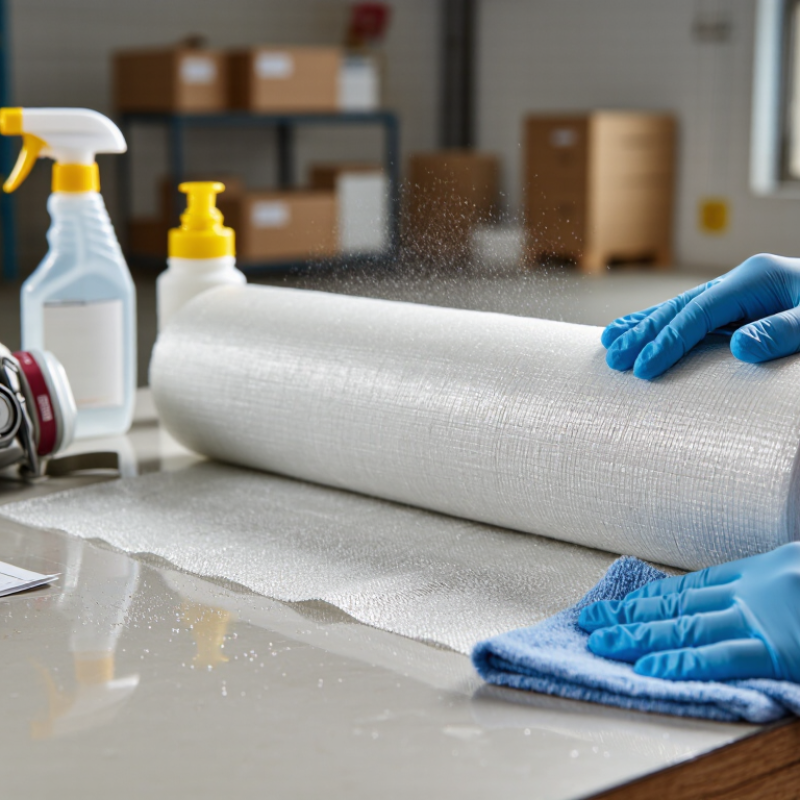
Why Learn How to Clean Fiberglass Mesh Safely?

Understanding Fiberglass Mesh and Its Common Uses

Why Learn How to Clean Fiberglass Mesh Safely?

Understanding Fiberglass Mesh and Its Common Uses

Fiberglass mesh is a woven grid made from thin glass fibers. A protective coating usually improves its strength and resistance to alkaline materials. The open pattern helps cement, plaster, and repair compounds grip a surface without adding much weight. Mesh is also flexible enough for corners and uneven areas.

Common uses include reinforcing exterior wall systems, drywall joints, tile backer surfaces, and small concrete repairs. Contractors may press it into wet compound, where it helps reduce cracking around seams and openings. Some mesh products also support insect screens and lightweight craft structures. The exact purpose depends on the mesh size, coating, and strength rating. Checking the technical sheet matters.

Cleaning requires care because loose fibers can irritate skin, eyes, and breathing passages. Wear gloves, protective glasses, long sleeves, and a suitable dust mask when handling dusty mesh. A damp cloth or gentle rinse works better than compressed air, which can spread tiny particles across a room. Mild soap may remove surface dirt. Avoid aggressive brushing.

I once underestimated how easily dry fibers travel.

That mistake changed my routine.

Work outdoors or in a well-ventilated area, and keep children and pets away. Let wet material dry before disposal, and wash exposed skin with soap and water. Do not rub your eyes. If irritation continues, seek medical advice. A simple cleaning method is safer, but it is not always perfect; heavily damaged mesh may need replacement rather than repeated handling.

Why Learn How to Clean Fiberglass Mesh Safely? — Understanding Fiberglass Mesh and Its Common Uses

Fiberglass mesh is commonly used for plaster and stucco reinforcement, tile underlayment, and insect screening. The nominal opening sizes shown below are typical industry sizes and may vary by product specification. Safe cleaning helps prevent loose fibers and dust from becoming airborne: follow the product safety instructions, wear suitable gloves and eye protection, and prefer gentle wet cleaning over dry brushing or compressed air.

Identifying Hazards Before Cleaning Fiberglass Mesh

Why Learn How to Clean Fiberglass Mesh Safely?

Identifying Hazards Before Cleaning Fiberglass Mesh

Fiberglass mesh can look harmless, yet its fine glass fibers may irritate skin, eyes, and lungs. The first hazard is often hidden dust. Inspect the mesh in bright light before touching it. Look for frayed edges, loose strands, trapped debris, or signs of chemical residue. A quick wipe may seem harmless. That assumption can be wrong.

Wear safety glasses, protective gloves, long sleeves, and a suitable particulate mask. Improve ventilation, but avoid directing a fan across the mesh. Moving air can spread fibers into nearby rooms. Do not shake, brush, or blow dry dust from the material. These actions may increase airborne particles. If the mesh is damaged, pause and consider professional handling. Check the product’s safety information when chemical contamination is possible.

Tips: Use a damp, disposable cloth or a controlled wet-cleaning method to reduce dust. Work slowly over a sealed surface. Keep children and unprotected workers away from the area. Wash exposed skin with cool water, and avoid rubbing your eyes. Clean tools afterward, but do not reuse contaminated cloths. Some cleaning situations are harder than expected, especially when fibers hide in seams or flooring. Recheck the area under direct light before removing protective equipment.

Choosing Safe Tools, Cleaners, and Protective Equipment

Cleaning fiberglass mesh safely starts with controlling loose glass fibers. These tiny strands can irritate skin, eyes, and lungs. Choose nitrile gloves, sealed safety goggles, and a long-sleeved shirt. If dust is visible, use a properly fitted particulate respirator, following workplace guidance. Keep airflow gentle. Strong fans can spread fibers across nearby surfaces. A damp cloth or low-suction vacuum with suitable filtration works better than dry brushing. Never use compressed air.

For cleaners, start with lukewarm water and a small amount of mild detergent. Apply it with a soft nylon brush or clean sponge. Test a hidden corner first. Some mesh coatings soften, discolor, or lose strength when exposed to solvents, bleach, or aggressive alkaline products. Rinse slowly, rather than spraying hard against the mesh. I sometimes see people scrub until the weave looks bright; that can damage the surface. Clean is not always safer when fibers become disturbed.

Work outdoors or in a well-ventilated area, but avoid windy conditions. Place a washable sheet beneath the mesh to catch runoff and fragments. Do not shake the material indoors. After washing, let it dry naturally away from children, pets, and food-preparation areas. Inspect for broken strands, loose edges, or trapped residue before handling it again. If irritation appears, stop and wash exposed skin with water. A second inspection may feel excessive, yet small fibers are easy to miss.

Following a Step-by-Step Fiberglass Mesh Cleaning Process

Why Learn How to Clean Fiberglass Mesh Safely?

Following a step-by-step fiberglass mesh cleaning process helps prevent loose fibers from entering the air. Start by checking the mesh condition and surrounding ventilation. Wear gloves, safety glasses, long sleeves, and a suitable particulate respirator. The U.S. National Institute for Occupational Safety and Health identifies airborne fiberglass as a possible irritant to the eyes, skin, and upper respiratory tract. That warning should not be ignored.

Remove the mesh carefully and avoid shaking it. Use a HEPA-filtered vacuum to collect dry dust from the surface. Do not use compressed air or a stiff dry brush. Next, rinse the mesh with low-pressure water and a mild, non-abrasive cleaner. Work from the cleaner side toward the drain. A soft nylon brush can loosen trapped dirt, but excessive scrubbing may damage the coating. Rinse again, then dry the mesh completely on a clean, ventilated surface. Moisture left between layers can encourage staining and material weakness. I sometimes find that “clean” mesh still holds grit near the edges.

Tips: Test a small area first. Keep hands away from your face. Dispose of contaminated wipes carefully. OSHA lists 15 mg/m³ for total particulate dust and 5 mg/m³ for respirable dust as general limits, not fiberglass-specific clearance targets. Use ventilation and dust control rather than relying on numbers alone. Inspect the final mesh under bright side lighting. Small broken strands are easy to miss.

Why Learn How to Clean Fiberglass Mesh Safely? - Following a Step-by-Step Fiberglass Mesh Cleaning Process

Step Cleaning Activity Recommended Materials Typical Conditions Safety Reason Expected Result
1 Read the product instructions and inspect the mesh for tears, loose strands, coatings, or attached materials. Product documentation, work gloves, safety glasses Before handling or wetting the mesh Different mesh constructions and coatings may have different cleaning limits. A suitable cleaning method is selected before work begins.
2 Move the mesh to a well-ventilated area and protect nearby surfaces from dust and runoff. Drop cloth, suitable container, ventilation Clean, stable work area away from food and occupied spaces Good ventilation helps reduce exposure to airborne fibers and cleaning vapors. The work area is controlled and easier to clean afterward.
3 Remove loose dust gently without shaking, scraping, or using compressed air. HEPA-filtered vacuum or damp disposable cloth Use low suction and light contact where practical Aggressive dry methods can disturb fibers and increase airborne dust. Surface dust is reduced before washing.
4 Prepare a mild cleaning solution using lukewarm water and a small amount of neutral, non-abrasive detergent. Clean water, neutral detergent, clean bucket Lukewarm water; avoid very hot water unless instructions allow it Mild detergent removes common dirt while reducing the risk of damaging coatings or binders. A low-risk wash solution is ready.
5 Test the solution on a small, inconspicuous section before cleaning the entire mesh. Soft sponge or microfiber cloth Allow the test area to dry before evaluation A spot test can reveal discoloration, coating loss, shrinkage, or fiber damage. Compatibility is checked before full cleaning.
6 Wash the mesh gently in sections, supporting it fully and avoiding twisting, harsh brushing, or high-pressure spray. Soft sponge, microfiber cloth, shallow wash tray Use light pressure and short, overlapping passes Mechanical force can distort the weave, break strands, or remove protective finishes. Embedded dirt and surface residue are loosened.
7 Rinse thoroughly with clean, low-pressure water until detergent residue is removed. Clean water, gentle spray or clean cloth Avoid directing force at the edges or seams Residual detergent may attract dirt or interfere with later installation and bonding. The mesh is free of visible soap residue.
8 Drain and dry the mesh flat or in its original supported shape, away from direct heat. Non-abrasive drying rack, clean absorbent towels Allow complete air drying before storage or installation Heat, hanging weight, or folding while wet can deform the mesh or affect its coating. Moisture is removed without unnecessary deformation.
9 Inspect the dry mesh and repeat only if necessary; discard mesh that is damaged or no longer fit for purpose. Good lighting, inspection checklist Check weave alignment, edges, coating, and visible breaks Cleaning does not restore structural strength to damaged fiberglass mesh. Only clean, intact mesh proceeds to storage or use.
10 Clean the work area and wash hands after removing gloves and other protective equipment. Damp cleaning cloth, waste container, soap and water Complete after the mesh and surrounding surfaces are dry Good housekeeping helps prevent residual fibers and detergent contamination. The workspace is ready for normal use.
Safety note: Wear appropriate protective clothing, gloves, and eye protection. If cleaning may disturb fiberglass dust, use ventilation and respiratory protection selected according to the applicable workplace rules and the product safety information. Do not use solvents, acids, bleach mixtures, compressed air, or high-pressure cleaning unless the mesh manufacturer’s instructions specifically permit them.

Storing and Maintaining Clean Fiberglass Mesh Safely

Why Learn How to Clean Fiberglass Mesh Safely?

Clean fiberglass mesh is easier to store when it is completely dry. Moisture can weaken packaging and encourage surface contamination. Wear gloves, long sleeves, and eye protection during handling. Fine glass fibers may irritate skin and eyes. Work in a ventilated area, away from food and living spaces.

Use a soft brush or a low-suction vacuum for loose dust. Avoid aggressive scraping, compressed air, and high-pressure water. These methods can release irritating particles or damage the mesh structure.

After cleaning, inspect every roll under bright light. Check for frayed edges, crushed sections, stains, or unusual brittleness. Do not force damaged mesh back into storage. Roll it evenly, without sharp folds, and secure it with a soft tie. Store rolls horizontally on a clean, stable rack. Keep them above the floor and away from walls with condensation.

Direct sunlight, heat, solvents, and alkaline substances can affect the coating and fibers. A dry indoor space is usually safer than an outdoor shed.

Use clear labels showing size, batch details, cleaning date, and inspection status. Rotate older stock carefully, but never sacrifice condition for speed.

I once stored a clean roll too close to a doorway; dust returned within days. That mistake changed my routine. Now I cover mesh with breathable protective material and inspect storage areas weekly.

Do not seal damp mesh inside plastic. It may look protected, but trapped moisture creates a hidden problem. Check the rolls before use, even when storage conditions seem reliable.

FAQS

What protective equipment should I wear when cleaning fiberglass mesh?

Wear nitrile gloves, sealed safety goggles, and a long-sleeved shirt. If visible dust appears, use a properly fitted particulate respirator. Keep your hands away from your face.

Where should fiberglass mesh be cleaned?

Work outdoors or in a well-ventilated area with gentle airflow. Avoid windy conditions because fibers can spread across nearby surfaces. Place a washable sheet underneath to catch runoff and fragments.

How should I remove dry dust from the mesh?

Remove the mesh gently without shaking it. Use a high-efficiency filtered vacuum with low suction. Do not use compressed air or a stiff dry brush.

Which cleaner is safest for fiberglass mesh?

Start with lukewarm water and a small amount of mild detergent. Apply it using a soft nylon brush or clean sponge. Avoid solvents, bleach, and aggressive alkaline cleaners.

Should I test the cleaner before washing the whole mesh?

Yes. Test a hidden corner and check for discoloration, softening, or reduced strength. A tiny test can prevent a large mistake.

How much scrubbing is appropriate?

Use gentle strokes to loosen trapped dirt. Excessive scrubbing may damage the coating and disturb loose fibers. A brighter weave is not always safer.

How should I rinse and dry fiberglass mesh?

Rinse slowly with low-pressure water, moving toward the drain. Avoid spraying forcefully against the mesh. Dry it completely on a clean, ventilated surface, away from children, pets, and food areas.

What should I check after cleaning?

Inspect the mesh under bright side lighting. Look for broken strands, loose edges, trapped grit, residue, or moisture between layers. A second inspection may feel excessive, but small fibers are easy to miss.

What should I do if my skin or eyes become irritated?

Stop cleaning immediately and wash exposed skin with water. Seek appropriate medical advice if irritation continues or breathing discomfort develops. Do not continue just to finish the task.

Conclusion

Learning how to clean fiberglass mesh safely is important for preserving its strength, appearance, and service life while protecting the person doing the work. Fiberglass mesh is commonly used for reinforcement, screening, insulation support, and construction applications, but its fine fibers can irritate the skin, eyes, and respiratory system when disturbed. Before cleaning, inspect the mesh for damage, identify loose fibers or embedded dust, and work in a well-ventilated area. Wear gloves, eye protection, long sleeves, and suitable respiratory protection when necessary.

Use gentle tools such as a soft brush, low-pressure water, or a vacuum designed to control fine particles. Avoid harsh chemicals, excessive scrubbing, and high pressure that could weaken or deform the mesh. Clean gradually, rinse carefully, and allow the material to dry completely before inspection. Once clean, store the mesh in a dry, covered location away from sharp objects, heat, moisture, and heavy loads. Proper handling and regular maintenance help keep fiberglass mesh safe, functional, and ready for future use.

Isabella

Isabella

Isabella is a dedicated marketing professional with a sharp focus on driving brand growth and engagement through strategic content creation. With an extensive background in digital marketing, she combines her passion for storytelling with her keen understanding of industry trends to deliver......