Wind can wreak havoc on window screens, leading to costly damages and replacements. Knowing how to protect window screens from wind damage is crucial for homeowners. In fact, strong gusts can bend frames and tear mesh, compromising your home's insulation and security.
Using proper techniques enhances the durability of your screens. For instance, sturdy frames crafted from aluminum or vinyl can withstand harsh conditions better than weaker materials. Moreover, employing removable screen clips offers added security against wind. These clips enable easy removal during storms, reducing potential damage.
Additionally, strategic landscaping can serve as a natural barrier. Planting trees or shrubs near windows may shield screens from direct wind. However, always consider the maintenance aspects. Wind can also cause branches to fall, adding yet another layer of challenges. Addressing these factors can help ensure your window screens remain intact for years to come.
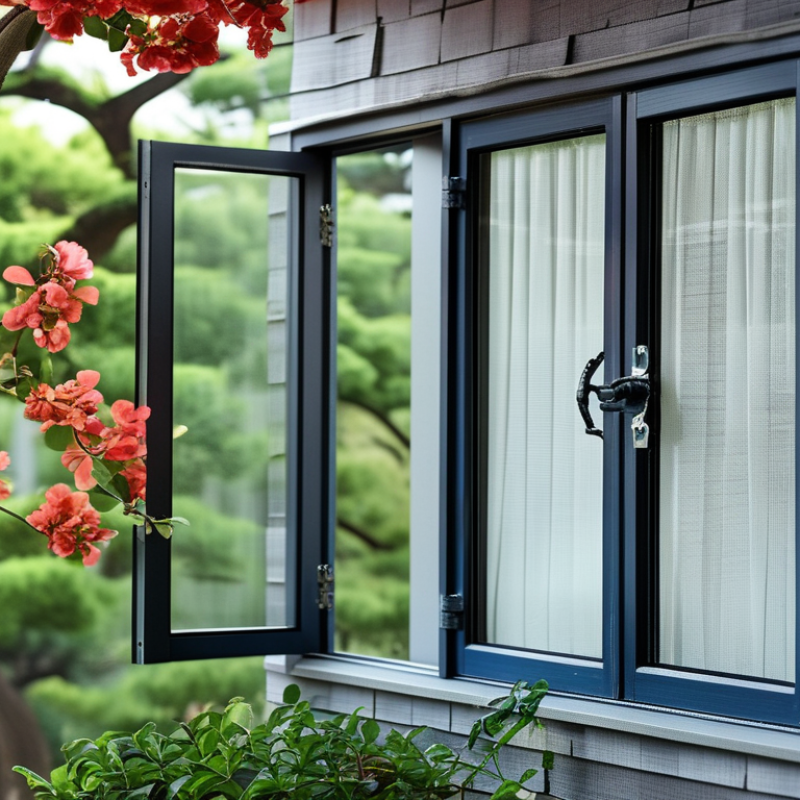
Understanding Wind Damage and Its Impact on Window Screens
Wind can be a significant threat to window screens.
Understanding how wind damage affects these screens is crucial for maintaining their integrity.
When strong gusts blow, they can cause screens to tear or become dislodged.
Over time, this can lead to greater exposure to insects and debris entering your home.
The force of the wind may stretch the material beyond its limits, leading to premature wear.
Identifying the signs of wind damage is vital.
Check for small rips or frayed edges. These tiny issues can escalate quickly.
Shifted screens might not fit snugly, leaving gaps. This makes your home vulnerable.
Adding protective elements can minimize such risks.
Consider storm window upgrades or reinforced screen materials.
These additions can act as a buffer against harsh winds.
Regular maintenance is also essential. Inspect screens regularly for signs of damage.
Make repairs promptly to prevent further issues. Repairing early can save money and hassle.
Wind can be unpredictable, but being proactive in protecting your window screens is always a wise choice.
Choosing the Right Window Screens for Wind Resistance
When selecting window screens designed to withstand wind, consider materials carefully. Fiberglass and polyester are strong options. They resist tearing better than standard screens. Look for screens with a higher tensile strength. Reinforced options provide added durability.
Mesh size also matters. Finer mesh can prevent debris from clogging the screen but may be less wind-resistant. It’s a balancing act. Storm window screens offer added protection, especially in high-wind areas. They are thicker and can withstand harsher conditions. It’s crucial to assess your local climate before making a final decision.
Installing screens properly is equally vital. Ensure that the frames are tight and secure. Even the best screen can fail if not installed correctly. Regular checks for wear and tear can prevent larger issues. If a screen appears loose or damaged, replace it to avoid future problems. Consider consulting a professional for the best installation practices.
Installing Reinforcements to Strengthen Screen Frames
To enhance the durability of window screens, installing reinforcements is crucial.
A reinforced frame can make a significant difference in wind resistance.
Consider using materials like aluminum or steel for added strength.
These metals can withstand harsher weather conditions.
Reinforcements can be applied to corners and edges.
Focus on areas most prone to stress. This approach significantly reduces the risk of damage during storms.
Another effective method involves adding support bars.
These bars can be placed diagonally across the frame, helping distribute wind pressure more evenly.
Adding screws or bolts can also improve structural integrity.
However, be cautious not to over-tighten, as this can warp the frame.
Regular inspections are essential. Look for any signs of wear or looseness.
Taking proactive measures can prolong the life of your screens.
Sometimes, even the best efforts may not be enough. Wind can be unpredictable, and extreme weather can still cause damage.
It’s important to reflect on your installation methods regularly.
Assess whether they meet the demands of your local climate.
Strengthening your window screens is a continuous process.
Your efforts today can save you from costly repairs tomorrow.
Regular Maintenance Practices to Reduce Wind Damage Risk
Maintaining window screens is crucial to prevent wind damage. Regularly inspect screens for tears or holes. Small issues can worsen quickly. Repairing even minor damage can enhance durability. Consider using a screen patch kit for quick fixes.
Cleaning screens often is another vital practice. Dust and debris accumulation weakens screens over time. Use a soft brush or mild soap solution to clean them. Ensure screens are dry before reinstallation. This prevents moisture buildup and further damage.
Securely fasten screens in their frames. Loose screens are prone to wind movements. Over time, wind can cause them to detach or warp. You might need to adjust the installation hardware. Regular checks can help identify these adjustments early. Taking the time for these tasks can prevent the hassle of costly replacements later.
5 Effective Tips to Shield Window Screens from Wind Damage
The chart above displays effectiveness ratings for different maintenance practices to protect window screens from wind damage. Regular maintenance is critical, with an effectiveness rating of 8, while selecting durable screens scored the highest at 9. Implementing these practices can significantly reduce the risk of damage and extend the lifespan of window screens.
Seasonal Preparations: Protecting Screens Before Stormy Weather
As stormy weather approaches, it's crucial to prepare your window screens effectively. Screens can suffer significant damage from strong winds and heavy rains. Assess the condition of your screens before bad weather hits. Check for tears or loose fittings. Replacing damaged screens ahead of time can save you from bigger repairs later.
Consider using screen clips or additional fasteners to reinforce your screens. This simple step can keep them secure during gusty winds. If available, opt for heavier-duty screens that are designed for high winds. Make sure your window frames are sealed properly to minimize the risk of debris entering through any gaps.
Always store screen kits in your garage or a safe place during off-seasons. This prevents them from deteriorating with the elements. Sometimes, even the best preparations may not suffice, leading to unexpected challenges. Take the time to learn from any past experiences to better safeguard your home.
5 Effective Tips to Shield Window Screens from Wind Damage
| Tip |
Description |
Effectiveness |
Estimated Cost |
| Reinforce Screen Frames |
Use aluminum frames instead of plastic for added strength against winds. |
High |
$30 - $50 |
| Install Wind-Deflecting Structures |
Add awnings or overhangs to divert airflow away from windows. |
Moderate |
$200 - $500 |
| Secure Screens with Clips |
Use clips or clamps to hold screens tighter to the window frames. |
High |
$10 - $20 |
| Invest in Storm Resistant Screens |
Purchase screens designed specifically to withstand severe weather conditions. |
Very High |
$75 - $150 |
| Regular Maintenance Checks |
Inspect and repair any loose or damaged screens regularly to ensure integrity. |
Moderate |
Free - $50 |
Conclusion
Wind damage can pose a significant threat to window screens, leading to costly repairs or replacements. To understand and mitigate this risk, it’s essential to recognize the impact of wind on window screens. The first step is choosing the right window screens specifically designed for enhanced wind resistance. Moreover, installing reinforcements can help strengthen the frames, making them more resilient against gusts.
Regular maintenance practices are crucial for keeping window screens in top condition and minimizing the risk of wind damage. Preparing for seasonal changes by protecting screens before stormy weather is also important. In summary, learning how to protect window screens from wind damage involves selecting appropriate materials, bolstering screen structures, and adhering to a consistent maintenance routine. These proactive measures can significantly extend the lifespan of window screens in windy conditions.

 Fintrace Window