When evaluating window and door screening options, many consider materials like fiberglass and polyester. Understanding these materials can significantly impact your choices. So, what is the difference between fiberglass and polyester screens?
Fiberglass screens are known for their durability and resistance to rust. They are lightweight and provide excellent visibility. However, they can be prone to tearing under stress. On the other hand, polyester screens are generally more flexible and can withstand harsher conditions without damage. Yet, they may not offer the same level of airflow as fiberglass.
These differences highlight the importance of selecting the right material for your needs. Making the right choice can enhance comfort and functionality in your home. Failing to consider these differences might lead to disappointment. Therefore, understanding the specific advantages and disadvantages is crucial for an informed decision.
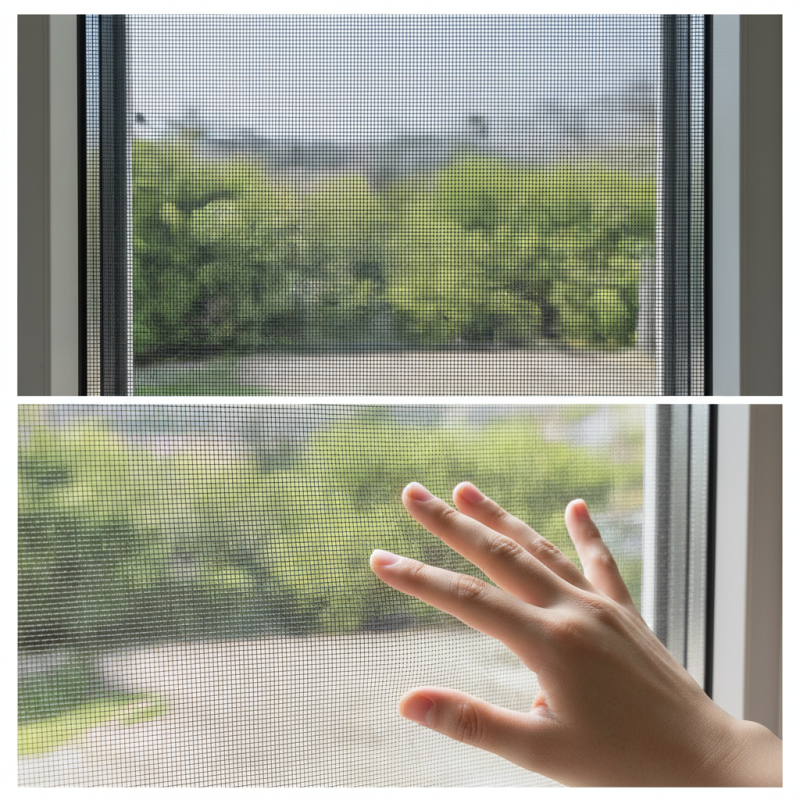
Comparison of Material Composition of Fiberglass and Polyester Screens
Fiberglass and polyester screens serve important functions in various industries, but their material compositions differ significantly.
Fiberglass screens are made from woven glass fibers which provide high tensile strength. This strength translates into exceptional durability and resistance to wear. Data from the American Composites Manufacturers Association indicates that fiberglass can endure extreme conditions and offers a lifespan exceeding 20 years when maintained properly.
On the other hand, polyester screens consist of synthetic fibers derived from petrochemicals. This composition allows for flexibility and lightweight characteristics, useful in many applications. However, polyester can degrade faster under UV exposure. A report by the Institute of Textile Technology highlights that polyester screens often last around 5 to 10 years, depending on environmental factors.
Understanding these differences is crucial. Not all applications require the same level of durability or cost efficiency. Users must reflect on their specific needs before choosing a material.
Fiberglass may be overkill in less demanding environments, while polyester could fall short in harsher conditions.
Durability and Longevity: Fiberglass vs. Polyester Screens
When comparing durability and longevity, fiberglass and polyester screens differ significantly. Fiberglass screens are known for their higher resistance to wear and tear. According to industry reports, they can last up to 10 years under proper conditions. Polyester, while also durable, typically has a shorter lifespan of 5 to 7 years.
Environmental factors play a crucial role in screen longevity. Fiberglass resists UV rays better, reducing fading and degradation. In humid climates, polyester may develop mold or mildew faster. Many experts recommend fiberglass for coastal areas. This material can withstand salt air, while polyester deteriorates more quickly.
**Tip:** Regular cleaning can extend the life of both screen types. Use a soft brush or vacuum to remove debris. **Tip:** If you live in extreme weather conditions, consider replacing screens every few years. This may seem costly, but it can save you from bigger issues later. Being proactive about your screens enhances both functionality and aesthetic appeal.
Top 10 Differences Between Fiberglass and Polyester Screens: Durability and Longevity
Weight and Flexibility: Key Differences Between the Two Materials
When comparing fiberglass and polyester screens, weight and flexibility sharply delineate these materials. Fiberglass screens tend to be heavier, which can add stability to the installation. According to the American Society for Testing and Materials (ASTM), fiberglass has a density around 2.5 grams per cubic centimeter, making it more robust in certain applications. This added weight, however, might complicate handling during installation or repair, which is an often overlooked factor for DIY enthusiasts.
On the other hand, polyester screens are lighter, often weighing about half as much as fiberglass alternatives. This lower weight can be a considerable advantage for projects requiring frequent mobility or repositioning. As noted in a report by the Window and Door Manufacturers Association (WDMA), the flexibility of polyester allows it to bend without breaking, which proves essential for custom fittings. However, this flexibility might also lead to warping over time, especially in extreme weather conditions.
Both materials exhibit unique properties. While fiberglass offers durability, its heft can be a double-edged sword. Polyester's lightness fosters easy installation but poses risks in durability. Therefore, the choice between these two often boils down to specific project needs rather than a clear-cut best option. Ultimately, each material presents trade-offs that require careful consideration.
Maintenance Requirements for Fiberglass and Polyester Screens
When choosing between fiberglass and polyester screens, maintenance is a key factor.
Fiberglass screens tend to require less frequent cleaning. Their smooth surface prevents dirt accumulation, making them easier to maintain.
A quick rinse with water usually suffices to keep them looking fresh. However, they are less durable and may fray over time.
This vulnerability means you’ll replace them sooner than expected.
Polyester screens, on the other hand, are tougher and resist tears better.
They can handle harsher conditions, but they also collect dust more readily.
Regular maintenance involves brushing or vacuuming to prevent build-up.
Neglecting this could lead to permanent staining or deterioration. Some users find themselves overwhelmed by this extra effort.
The choice comes down to balancing durability and ease of cleaning.
Cost Considerations When Choosing Between Fiberglass and Polyester Screens
When considering cost, fiberglass and polyester screens offer different advantages. Fiberglass screens generally come at a lower price point. A report by the American Institute of Architects indicates that fiberglass screens can cost up to 30% less than polyester options. This makes them attractive for budget-conscious projects. Polyester screens, while more expensive, often provide better durability and longevity.
However, initial costs aren't the only factor. Polyester screens resist UV rays and moisture better than fiberglass. Research from the Window & Door Manufacturers Association shows that the longer lifespan can justify the higher price. Homeowners and builders should weigh short-term savings against long-term value. In some cases, investing more upfront in polyester could result in fewer replacements over time.
Customers often overlook the maintenance costs associated with each screen type. Fiberglass screens can wear down quicker, leading to more frequent repairs. On the other hand, polyester screens typically require less upkeep due to their robust nature. Balancing these factors helps ensure informed decisions that align with specific project needs.
FAQS
: Fiberglass screens can last up to 10 years under proper conditions.
Polyester screens generally last between 5 to 7 years.
Fiberglass has a special construction that minimizes UV damage and fading over time.
Polyester may develop mold or mildew faster in high humidity environments.
Fiberglass is heavier, providing stability but complicating handling during installation.
Yes, polyester is lighter, making it easier for repositioning and custom fittings.
Yes, fiberglass can endure salt air better than polyester, making it suitable for coastal areas.
Regularly clean your screens using a soft brush or vacuum to remove debris.
Yes, polyester's flexibility can lead to warping in extreme weather, affecting durability.
Yes, consider replacing screens every few years to avoid significant issues later.
Conclusion
The article "Top 10 Differences Between Fiberglass and Polyester Screens" delves into various aspects that distinguish these two materials. It begins by comparing their material compositions, highlighting that fiberglass typically offers enhanced durability and longevity compared to polyester. When considering weight and flexibility, fiberglass is generally lighter and more adaptable, making it easier to install and use. Maintenance requirements are also discussed, with fiberglass requiring less frequent care than polyester, which may need more attention over time. Finally, the article addresses cost considerations, emphasizing that while fiberglass screens might have a higher initial investment, their longevity can lead to better value over time.
In summary, understanding "What is the difference between fiberglass and polyester screens" entails looking at these key factors: composition, durability, weight, maintenance, and cost, all of which play a crucial role in making an informed decision for screen material selection.

 Fintrace Window