When deciding on window screens, many homeowners find themselves pondering the question: Are metal window screens better than fabric ones? This decision involves more than just aesthetics; it touches on durability, maintenance, and effectiveness. Metal screens tend to offer a tougher barrier against pests and weather conditions. They bring a sense of longevity, which appeals to those looking for reliable solutions.
However, fabric screens come with their own unique advantages. They can be more affordable and often provide a softer look that blends into various home styles. Yet, their fragility might lead to quicker wear and tear, especially in challenging climates. This raises important considerations. Can the initial cost savings of fabric screens justify potential replacements?
Ultimately, the choice between metal and fabric screens depends on your specific needs and lifestyle. Consider your local environment and how often you want to maintain your screens. Reflecting on these factors will guide you to the right decision for your home.
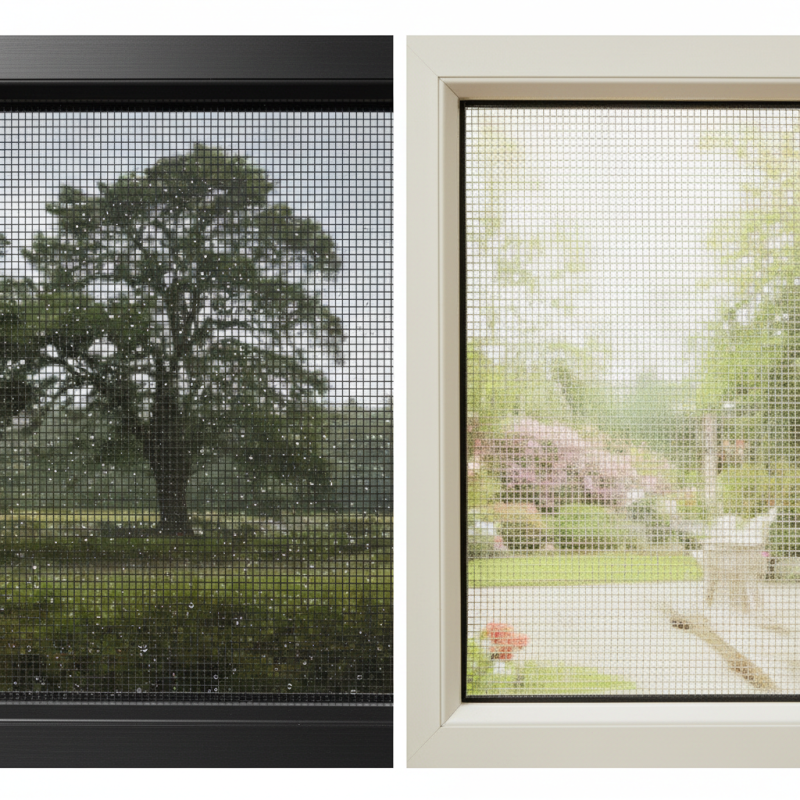
Factors to Consider When Choosing Window Screen Materials
When selecting window screen materials, it's essential to weigh various factors. Each material—metal or fabric—offers distinct advantages. Metal screens, such as aluminum, are durable and resistant to tears. They can last for years without needing replacement. However, these screens can be more susceptible to corrosion, especially in humid climates. A report from the American Society of Home Inspectors highlights that around 25% of homes show signs of screen-related wear and tear.
On the other hand, fabric screens provide flexibility and are often easier to install. Made from polyester or fiberglass, they offer good visibility while keeping insects out. These screens are typically lighter and available in various colors. However, they may not hold up as well against severe weather conditions. Research by the National Association of Realtors indicates that homeowners prefer fabric screens for their aesthetic appeal, yet 30% admit to needing replacements every few years due to damage.
Consider your local environment when making a choice. Metal screens may be a wiser investment in areas with heavy winds. In contrast, fabric screens could enhance your home's facade in calmer regions. Balancing durability and appearance is key. Reflecting on personal needs can guide you toward the right decision.
Comparison of Durability Between Metal and Fabric Window Screens
When choosing between metal and fabric window screens, durability is crucial. Metal screens, typically made from aluminum or stainless steel, offer robust protection. They withstand extreme weather and resist tears. However, they can rust over time, especially in humid climates. Fabric screens, often crafted from polyester or fiberglass, are lightweight and flexible. They can sag or tear more easily but provide good airflow.
Consider your environment when making a choice. If you live in an area with high winds or heavy storms, metal screens may be the better option. For homes in milder climates, fabric screens can perform well. Pay attention to maintenance needs. Metal screens need occasional cleaning and rust prevention, while fabric screens require replacement if damaged.
Tips: Always assess local weather conditions. Take note of how frequently windows are used. Regularly inspect screens for wear. Make informed decisions, and don’t hesitate to ask for expert advice if you’re unsure. The right screen choice balances durability and practicality.
Cost Analysis: Metal vs. Fabric Window Screens
When considering window screens, cost plays a vital role. Metal and fabric screens vary significantly in price. Metal screens often have a higher upfront cost. They offer durability and a longer lifespan. However, initial expenses can be a deterrent for some. Fabric screens usually come at a lower price point. But, they may require more frequent replacements, which can add up over time.
Installation costs also differ. Metal screens might be heavier, leading to higher installation fees. In comparison, fabric screens are lightweight, potentially saving money on labor. Maintenance is another factor to weigh. Metal screens typically require minimal upkeep. On the other hand, fabric screens may need more frequent cleaning and can fade or tear more easily.
Consider your specific needs when analyzing costs. If you plan to stay in your home long-term, investing in metal screens may make sense. They can provide reliable protection for years. If you prefer flexibility and easy changes, fabric screens might be the way to go, despite potential ongoing costs. Balancing initial investment with long-term value is essential. Reflecting on these factors will help ensure your choice meets your budget and performance expectations.
Environmental Impact of Metal and Fabric Window Screens
When considering the environmental impact of metal and fabric window screens, several factors come into play. Metal screens, while durable, require more energy to produce. A study by the U.S. Department of Energy revealed that metal production contributes significantly to greenhouse gas emissions. In contrast, fabric screens, often made from recyclable materials, tend to have a lower carbon footprint. They usually consume less energy during manufacturing, making them a greener option.
Yet, it's essential to recognize the limitations of fabric screens. They may not last as long as metal screens, which can lead to increased waste over time. A report from the International Recycling Bureau estimated that 10 million tons of window screens end up in landfills annually. These statistics highlight the need for careful consideration.
Tips for selecting an eco-friendly window screen: include researching the materials used and their lifecycle impacts. Choose screens made from recycled materials whenever possible. Investigate the manufacturer's sustainable practices. Another suggestion is to evaluate the durability of the materials; this could save you money and reduce environmental impact in the long run.
Aesthetic Considerations for Home Design with Window Screens
When considering window screens, aesthetics play a crucial role in home design. Metal screens offer a sleek, modern appearance. Their clean lines can enhance contemporary architecture. However, they might create a stark look in traditional settings. Fabric screens provide warmth and texture, bringing softness to any space. They come in various patterns and colors, allowing personalization.
Choosing between these materials can be challenging. Metal may be more durable, lasting for years. Yet, its coldness might not suit every home style. Fabric screens need more maintenance, as they can attract dust and grime. However, they offer unique visual appeal that can soften architectural angles. Homeowners need to reflect on their design goals.
Windows are focal points in a room. They influence how light enters and the mood of the space. Consider how metal or fabric options frame your view. Do they complement the surrounding decor? It’s essential to strike a balance between functionality and style. The right screen can transform a simple window into a stunning design element.
Comparison of Aesthetic Preferences for Metal and Fabric Window Screens
This chart illustrates the preference scores for the aesthetic appeal of metal vs. fabric window screens. Metal screens score 7 on a scale of 1-10, while fabric screens score higher at 9, indicating a stronger aesthetic preference for fabric options in home design.
FAQS
: Evaluate factors like durability, weather conditions, and installation ease. Metal and fabric screens have unique advantages.
Metal screens are durable, tear-resistant, and require minimal maintenance. They can last for years if well cared for.
Yes, fabric screens offer good visibility and aesthetics. They are lightweight and come in various colors, enhancing decor.
Metal screens have a higher upfront cost but offer longevity. Fabric screens are cheaper initially but may need frequent replacements.
Metal screens are heavier and may incur higher installation fees. Fabric screens are lightweight and usually cheaper to install.
Metal screens are better for windy areas, while fabric screens may suit calmer climates with a focus on appearance.
Fabric screens may struggle in severe conditions, leading to damage. They might need replacement every few years.
Consider your long-term plans, budget, and how much maintenance you’re willing to do for either type of screen.
Conclusion
When it comes to choosing between metal and fabric window screens, several factors should be considered. Durability plays a significant role, as metal screens typically offer greater resistance to damage than their fabric counterparts, making them ideal for high-traffic areas. Conversely, fabric screens can provide better airflow and visibility while being lighter in weight.
Cost is another crucial aspect; metal screens often have a higher upfront price but may prove more economical over time due to their longevity. Additionally, the environmental impact of materials and their aesthetics in home design should also be evaluated. Ultimately, the question remains: Are metal window screens better than fabric ones? The answer depends on individual needs and preferences, balancing durability, cost efficiency, environmental considerations, and design compatibility.

 Fintrace Window