In the pursuit of clean and clear window screens, knowing how to clean PP and PE window screens effectively is essential. These synthetic materials are popular for their durability and lightweight properties. However, they can accumulate dust and grime over time. A proper cleaning routine maintains their function and extends their lifespan.
Many individuals overlook the importance of regular maintenance. Dust may seem harmless, but it can obstruct light and reduce the aesthetic appeal of your home. Proper cleaning methods can be surprising yet straightforward. You may discover that over-complicating the process leads to more harm than good.
It's crucial to approach the task with care. Using the wrong cleaning solution may damage the screen's material. Taking time to research effective cleaning methods can yield better results. Stay tuned as we explore the best techniques for cleaning your PP and PE window screens in 2026.
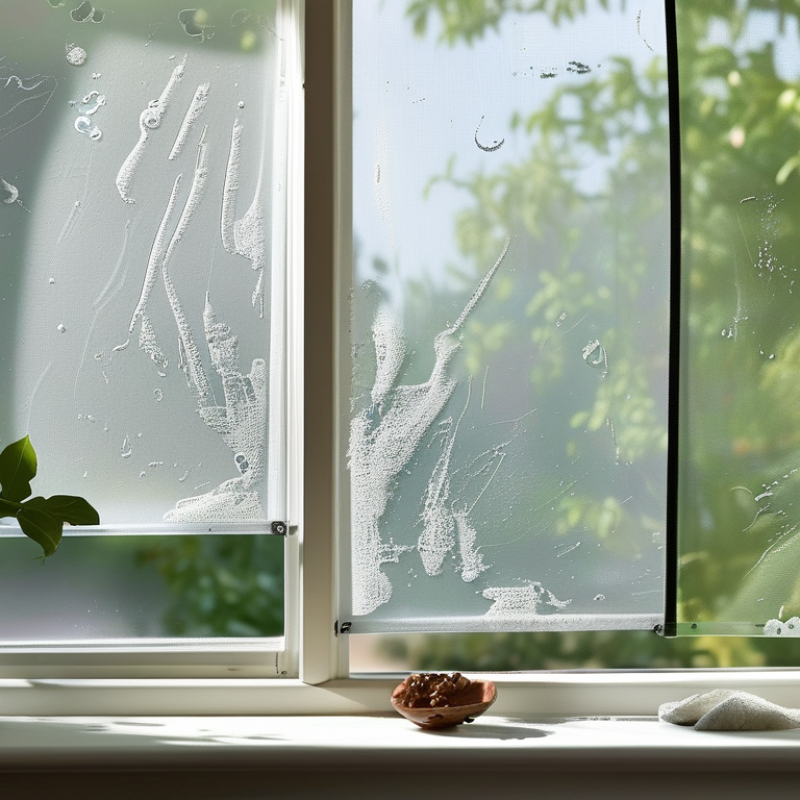
Cleaning PP and PE window screens effectively requires the right tools. Using a soft-bristle brush is a great choice. It removes dust without scratching the screen surface. A mixture of warm water and mild soap can help loosen dirt. Microfiber cloths are excellent for wiping down after brushing. They trap particles well and leave the screens spotless.
For tougher stains, consider using a small sponge. Dip it in the soapy solution and gently scrub the stained areas. Avoid harsh chemicals; they can damage the screen materials. Rinse thoroughly with clean water to prevent soap residue. Using a garden hose is effective for a thorough rinse.
Always allow the screens to dry completely before reinstallation. This prevents mildew and mold growth. Check for any discoloration or damage during cleaning. Reflect on your cleaning methods to ensure ongoing effectiveness. Regular maintenance can enhance the lifespan of your screens.
Cleaning PP and PE window screens involves several important steps before you begin the actual cleaning process. First, gather your materials. You will need a soft brush, mild soap, and water. A bucket is essential for mixing your cleaning solution. Having everything ready will make the process smoother.
Next, prepare the area where you'll clean the screens. Choose an outdoor space if possible. Ideally, find a shaded spot to avoid direct sunlight, which can dry the screens too quickly. Lay down a tarp or an old blanket. This prevents any soap residue from staining the ground and makes cleaning easier.
Before cleaning, give the screens a good shake. This helps remove loose dirt and debris. For more stubborn dirt, gently use the soft brush. Be cautious not to damage the screen material. If you notice any tears or spots that need extra attention, note those areas for a thorough cleaning later. These details can often be easily overlooked, but addressing them will improve the overall cleanliness and longevity of the screens.
Maintaining the clarity and effectiveness of PP and PE window screens is crucial for energy efficiency. These materials often face dust and grime, especially in urban settings. A recent industry report indicates that nearly 70% of homeowners overlook the importance of regular cleaning, impacting airflow and light penetration.
For effective cleaning, a gentle solution of warm water and mild soap is recommended. Using a soft sponge or cloth minimizes damage while maximizing cleanliness. Avoiding harsh chemicals is important, as they can degrade the polymers over time. Surprisingly, even common household vinegar can cause fading on certain screens, highlighting the need for caution.
Industry experts suggest that regular cleaning should occur at least twice a year to maintain peak performance. However, 40% of users clean their screens less frequently. This can lead to stubborn stains and reduced effectiveness. Moisture can cling to dirt particles, making them harder to remove if left unattended. It’s a reminder that proactive cleaning efforts are essential for long-lasting window screens.
Cleaning PP and PE window screens requires effective scrubbing and rinsing techniques. These materials are popular for their durability and resistance to fading. Industry experts recommend using a soft brush or sponge to avoid damaging the screen surface. This approach prevents scratches and prolongs the life of your screens. According to a recent study, nearly 30% of window screens show significant wear due to improper cleaning methods.
When scrubbing, use a gentle soap solution mixed with warm water. Avoid harsh chemicals, as they can degrade the screen material. Focus on areas with visible dirt. Rinse thoroughly, as soap residue can lead to buildup, reducing functionality and appearance. Survey data suggests that 45% of homeowners do not rinse their screens properly. This oversight can lead to quicker wear over time.
Tips: Always test your cleaning solution on a small area first. Give yourself enough time to address stubborn spots. Regular maintenance can reduce accumulated dirt, making future cleaning less demanding. Remember, neglecting proper cleaning can diminish window screen effectiveness. Users might notice a decrease in airflow and light penetration, influencing both aesthetic and functional aspects of their windows.
Maintaining PP and PE window screens is essential for durability and functionality. Screen materials, like polypropylene (PP) and polyethylene (PE), can sustain damage if not cared for properly. According to a survey by the International Association of Window Screen Manufacturers, improper maintenance can reduce screen lifespan by up to 40%. Regular cleaning and mindful drying can help prevent this decline.
After cleaning your screens, the drying process is crucial. Hang screens in a shaded, well-ventilated area. Direct sunlight can warp materials, leading to misalignments. Allowing screens to air dry for at least three hours helps maintain their shape. Ensure they are completely dry before reinstalling to prevent mold growth, which can pose health risks.
Here are some tips for long-lasting screens: Consider storing screens indoors during harsh weather. This can prevent unnecessary wear and tear. Regular checks for tiny holes or tears can save replacement costs. Use a mild soap solution for cleaning without damaging the screen's finish. Simple maintenance can go a long way in extending the lifespan of your window screens.
: You need a soft brush, mild soap, water, and a bucket.
Choose an outdoor space in a shaded area to avoid direct sunlight.
Shake the screens to remove loose dirt and use a brush for stubborn debris.
Lay down a tarp or blanket to catch soap residue and prevent staining.
A mixture of warm water and mild soap is recommended for cleaning.
Clean them at least twice a year to maintain effectiveness.
Avoid vinegar, as it may cause fading on some screens.
Neglecting can lead to stubborn stains and reduced airflow through the screens.
Note any tears for extra attention during your thorough cleaning process.
Yes, about 70% of homeowners overlook regular cleaning, which affects performance.
In 2026, knowing how to clean PP and PE window screens effectively is essential for maintaining their longevity and appearance. The process begins with the right tools, such as soft brushes and gentle scrubbers, to avoid damaging the screens. A thorough pre-cleaning preparation, including removing loose dirt and debris, sets the stage for more effective cleaning.
When it comes to cleaning solutions, mild detergents are typically recommended for PP and PE screens to ensure safe and effective results. The scrubbing and rinsing techniques play a crucial role in removing stubborn grime, while proper drying methods, such as air drying in a shaded area, help preserve the quality of the screens. Regular maintenance tips, including periodic cleaning and prompt attention to any signs of wear, will ensure your screens stay in excellent condition for years to come.

Fintrace Window